Response letter: Civil society organizations in support of the protest for the dismissal of the chief prosecutor of the state, Alexander Lumezi

Prishtina, 29 August 2018 – Following the resignation of former Special Prosecutor, Elez Blakaj, we as civil society organizations fully support the protest organized by the group of citizens for the dismissal of the chief prosecutor of the state, Alexander Lumezi. Mr. Blakaj’s resign letter gives signal of weak integrity of the justice system, in particular the state prosecution in the face of political interference, blackmail and threats, which also come from the state’s chief prosecutor.

Interventions of Chief Prosecutor Lumezi to avoid confronting high figures of politics with the justice process are alarming to the justice system in Kosovo. On the other hand, there are enough facts that we as civil society and citizens ask for its immediate resignation.

We strongly believe that only an independent justice system, with integrity and immunity from political interference, can guarantee the rule of law, which is a precondition for the functioning of a democratic state.

The resignation of Chief Prosecutor Lumezi would increase citizens’ confidence in independent justice, so we support the civic protest, and we demand that besides its dismissal, the vetting process in the justice system should begin as in all countries of the region.

We call on all citizens to protest today to guarantee an independent justice tomorrow!

Civil Society Organization:

Demokraci Plus – D+

Grupi për Studime Juridike dhe Politike-GLPS

Iniciativa për Progres – INPO

Instituti Columbus

Instituti D4D

Instituti Demokratik i Kosovës – KDI

Instituti GAP

Instituti i Kosovës për Drejtësi – IKD

Instituti INDEP

Instituti KIPRED

Lëvizja FOL

Organizata Çohu!

Qendra e Trajnimeve dhe Burimeve për Avokim-ATRC

Qendra për Ndihmë Juridike dhe Zhvillim Regjional- CLARD

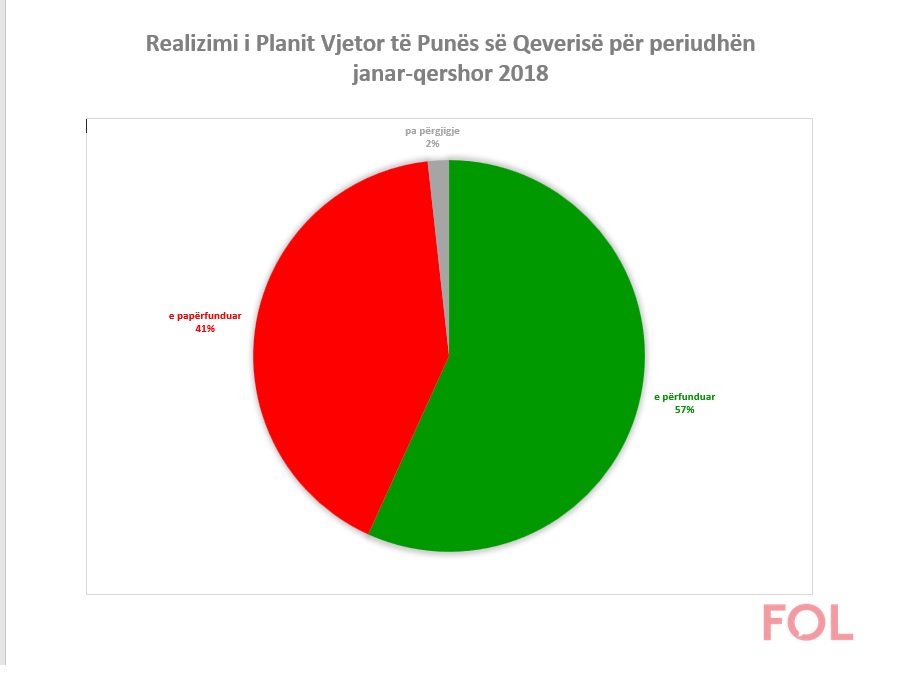
The Government Cabinet with over 100 ministers and their deputies has realized 57% of the work plan in the six months of 2018

Prishtina, 29 July 2018 – Lëvizja FOL today has published the statistical data of monitoring the implementation of the Kosovo Government’s Annual Work Plan for the period January-June 2018.

Findings from the monitoring of 22 institutions indicate that out of 225 activities as foreseen in the Government’s Annual Work Plan for January-June 2018, only 130 or 57% expressed in percentage are realized, while 95 activities or 41% remained unfinished within the set time. Meanwhile, for four activities of the Ministry of Education, Science and Technology we have not received any answers.

Ministries which have carried out all activities foreseen in the Annual Work Plan of the Government are: Ministry of Finance, Ministry of Kosovo Security Force and Ministry of Returns and Communities, while ministries which have not carried out any activity are: Ministry Infrastructure and Ministry of Foreign Affairs.

Below you can see how many activities have been carried out by each ministry and the Office of the Prime Minister. Meanwhile, in order to see which are the activities of the ministries realized and not realized in the form of charts click here.

Office of the Prime Minister – for the first six months period are foreseen to carry out 17 activities within the annual plan, of which 10 were realized, while 7 were left unrealized

The Ministry of European Integration – for the first six months period has foreseen 10 activities 7 out of them have remained unrealized.

Ministry of Justice – Out of 19 planned activities for the first six months, only 4 of them have been realized.

The Ministry of Finance – for the first six months period has foreseen 4 activities that were realized within the foreseen deadline.

The Ministry of Economic Development – out of 6 foreseen activities only one has remained unrealized for the first six months 2018.

Ministry for the Kosovo Security Force – has implemented 3 activities foreseen in the one year plan.

The Ministry of Environment and Spatial Planning – in the first six months planned 20 activities, 12 of them were unrealized.

The Ministry of Local Government Administration – in the work plan had planned to carry out 24 activities from which only 1 unrealized remained.

Ministry of Internal Affairs – in the first six months planned 14 activities have completed 9, while 5 have not been completed.

Ministry of Foreign Affairs – in the first six months has planned 2 activities, which have remained unrealized within the foreseen deadline.


Ministry of Labor and Social Welfare – Ministry concerned all activities foreseen in the Government’s Annual Work plan for 2018 planned to be implemented in December 2018.

Ministry of Communities and Returns – has implemented all activities foreseen for the first six months period.

The Ministry of Health – within the work plan has implemented 3 activities, out of the 15 as foreseen.

The Ministry of Public Administration – has planned 16 activities, only 3 of them have remained unrealized for the first six months.

Ministry of Culture, Youth and Sports – has carried out 7 activities out of 11 as planned.

The Ministry of Infrastructure – has planned 5 activities in the work plan that have remained unfinished according to the deadlines.

Ministry of Agriculture, Forestry and Rural Development – out of 11 planned activities have remained unrealized 7 of them.

Ministry of Trade and Industry – had foreseen 15, out of which 9 remained unrealized.

Ministry of Diaspora and Strategic Investments – has completed 12 activities out of 15 as foreseen in the Annual Work Plan.

The Ministry of Regional Development – has carried out 7 activities out of 8 foreseen for the first six months period.

Ministry of Innovation and Entrepreneurship – no activity for the period January-June 2018 has been foreseen.

Ministry of Education, Science and Technology – did not respond to the request sent by FOL Movement.

Some ministries have provided additional clarifications for all activities that have not been completed by the deadline set in the annual work plan.

JOINT DECLARATION OF CIVIL SOCIETY ON ADDRESSING THE SHORCOMINGS IN ELECTORAL LEGISLATION

Pristina 24 July 2018 – It has been seven years since the start of the electoral reform, it has never been completed and there is no substantial change in this regard.

In order to increase citizens representation and to increase the quality of the elected from the people, with the aim of constituting and consolidating the institutions quickly and sustainably, in order to ensure more functional political system, transparency and accountability of political entities and easier administration of the election process, civil society organizations invite political entities and the Assembly of Kosovo to:

Put priority on the agenda of the electoral reform issue that addresses the problems which were noted in past election processes and base their work on analysis and research.

Ensure that electoral legislation is a reflection of all interest groups, ensuring inclusiveness and respect of citizens’ will regardless their gender or ethnic background.

Take into consideration the recommendations from civil society organization and by the election observation missions of local and international.

Civil society organizations express their willingness to contribute to the process of addressing the shortcomings of the electoral legislation with their expertise to provide free and fair elections in the future.

The organizations that signed the declaration:

Democracy Plus (D+)

Grupi për Studime Juridike dhe Politike (GLPS)

Democracy for Development (D4D)

Kosovo Democratic Institute (KDI)

Instituti i Kosovës për Drejtësi (IKD)

Instituti i Prishtinës për Studime Politike (PIPS)

Instituti Kosovar për Kërkime dhe Zhvillime të Politikave (KIPRED)

Instituti për Politika Zhvillimore (INDEP)

Lëvizja FOL

Organizata “Mundësia”

Organizata per Demokraci, Anti-Korrupsion dhe Dinjitet (ÇOHU!)

Qendra Kosovare për Bashkëpunim Ndërkombëtar (KCIC)

Qendra Kosovare për Studime Gjinore (QKSGJ)

Qendra për Avokim dhe Kulturë Demokratike (ACDC)

Qendra për Paqe dhe Tolerancë (CPT)

Qendra për Politika dhe Avokim (QPA)

Balkan Investigative Reporting Network (BIRN)

Rrjeti i Grave të Kosovës (RrGK)

Shoqata “Nëna Terezë” (MTS)

Syri i Vizionit

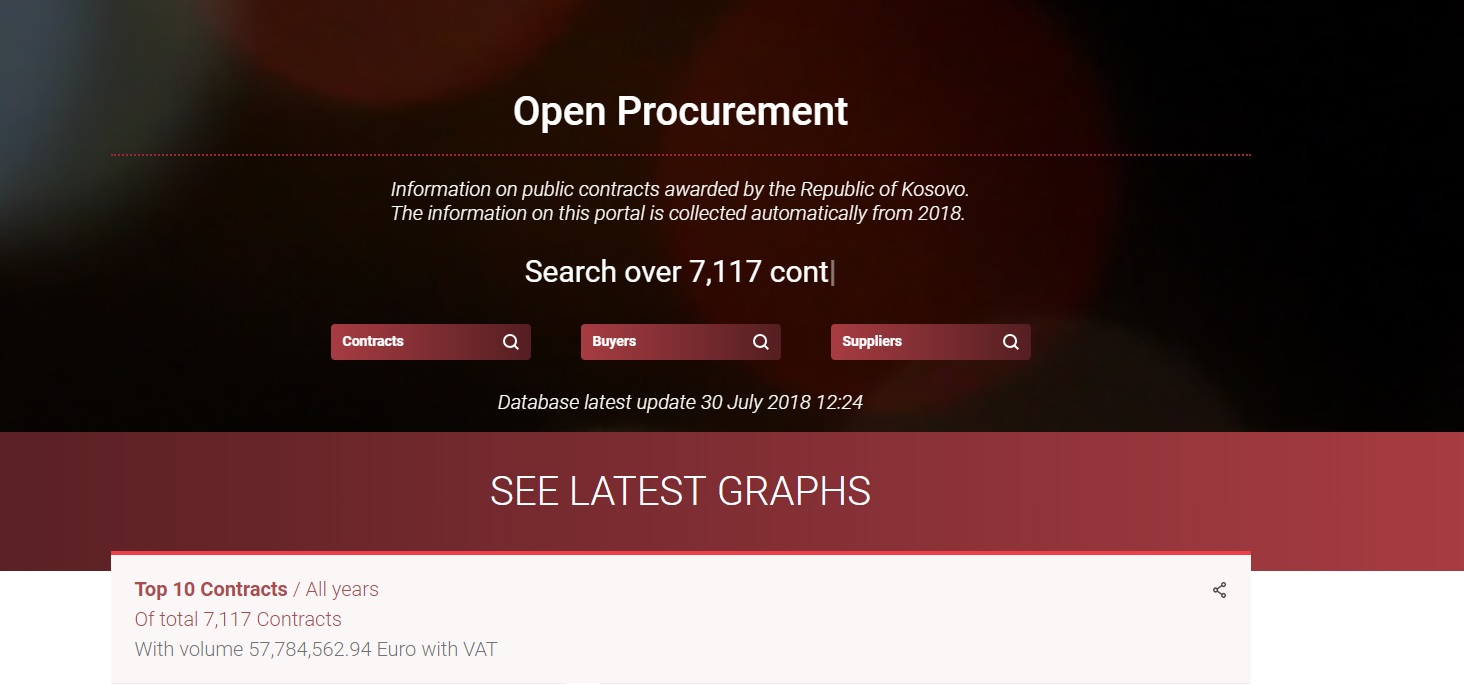
Lëvizja FOL with the support of USAID launched the Open Procurement Transparency Portal

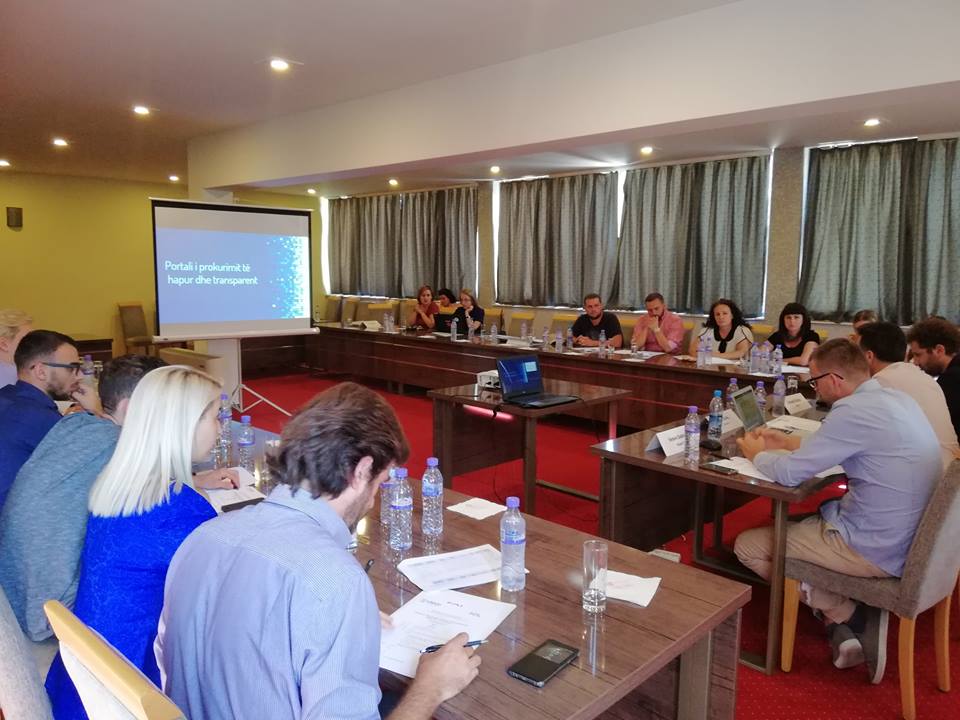
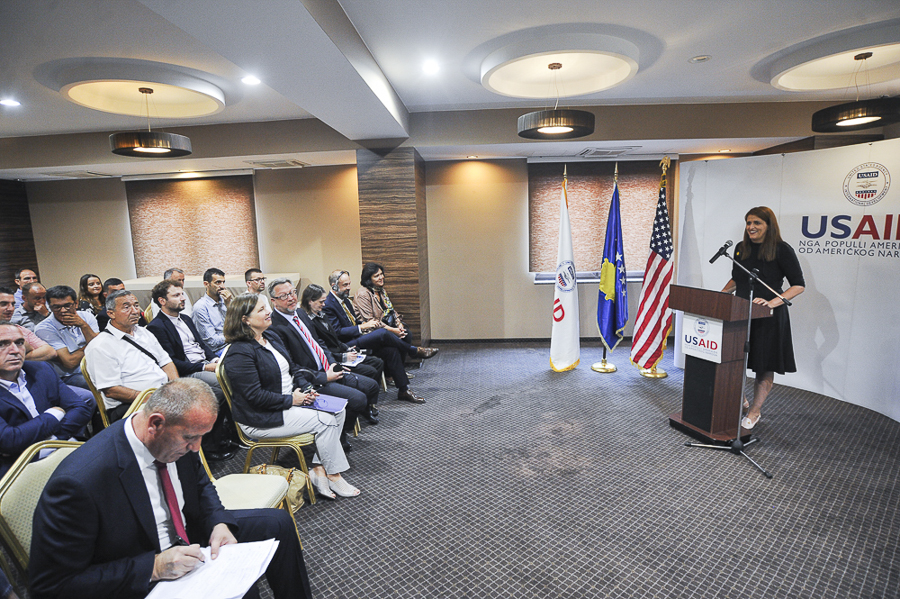
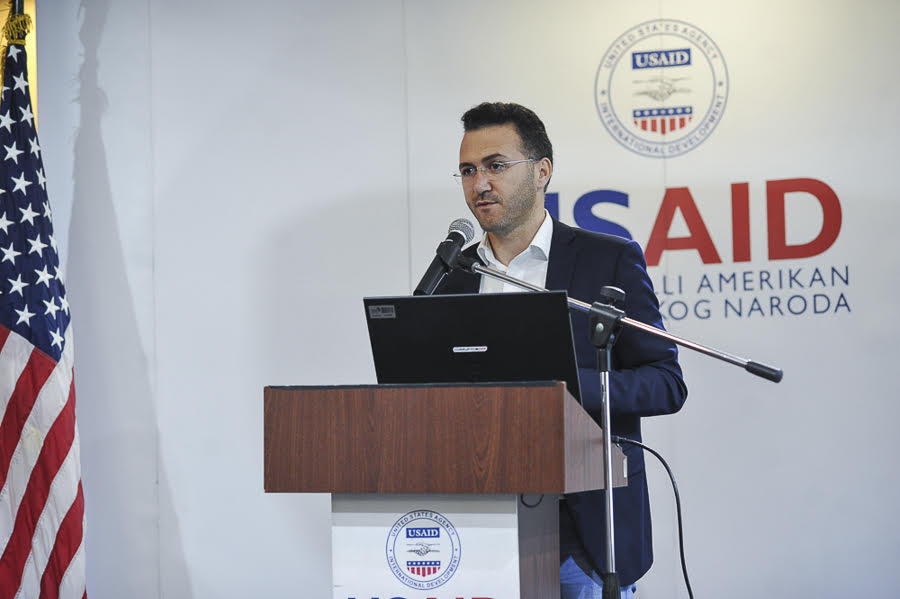
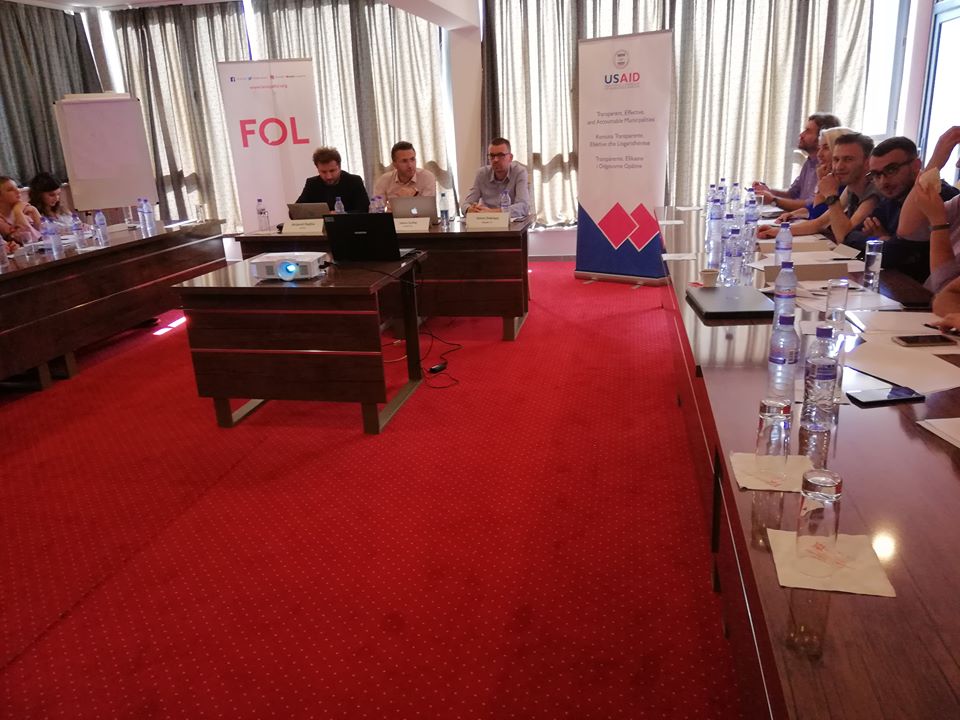
Prishtina, 5 July 2018 – Lëvizja FOL with the support of USAID Transparent, Effective and Accountable Municipalities (USAID TEAM) today has launched “Open Procurement Transparency Portal”.

Mexhide Demolli – Nimani, Executive Director of Lëvizja FOL said that this portal is one of the most important activities that FOL has made during its several years of work on monitoring the public procurement. “It is a pleasure for us as FOL to present today this portal, the main objective of which is to increase transparency and accountability regarding the spending of public money by Kosovo institutions. This portal would not be possible without the support of USAID Transparent, Effective and Accountable Municipalities (USAID TEAM)”, said Demolli-Nimani, thanking also the Public Procurement Regulatory Commission (PPRC) for cooperation, without them this portal would not be complete.

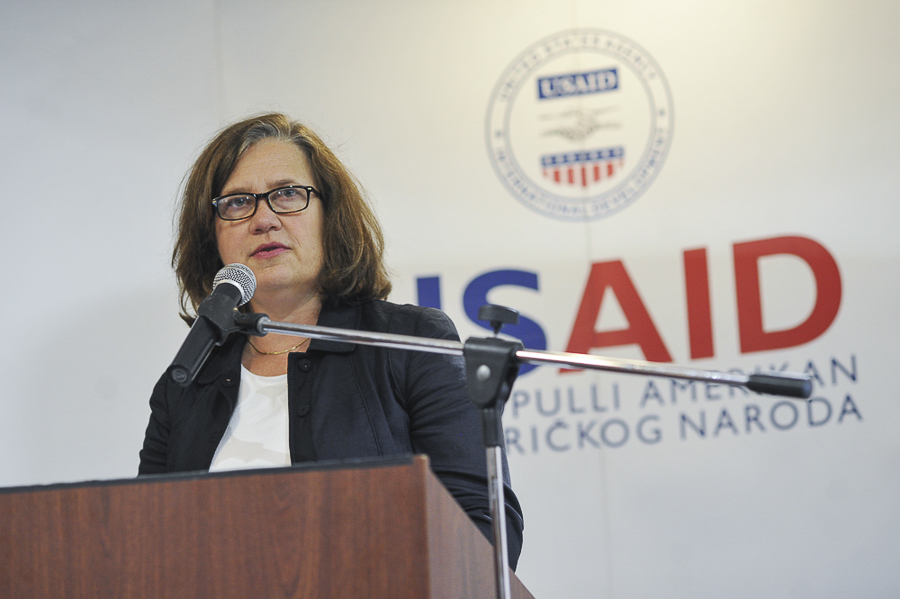
Deputy Ambassador of the United States of America, Coline Hyland said that this portal enables creating an environment for businesses and reducing the risk of corruption in the public sphere and it is not an easy job but is urgently needed. “In order to reduce corruption in public affairs, it is necessary and essential to maintain a continuous cooperation between government institutions and civil society. For this I want to thanks Mr. Safet Hoxha and PPRC, whom serves as a good example of how this cooperation seems like. This also applies to other partners such as FOL Movement, which has collected data from the PPRC to calculate for the sake of transparency, “said Deputy Ambassador Hyland. Same stands for other partners as is Lëvizja FOL, which has collected data from the PPRC to calculate for the sake of transparency, “said Deputy Ambassador Hyland.

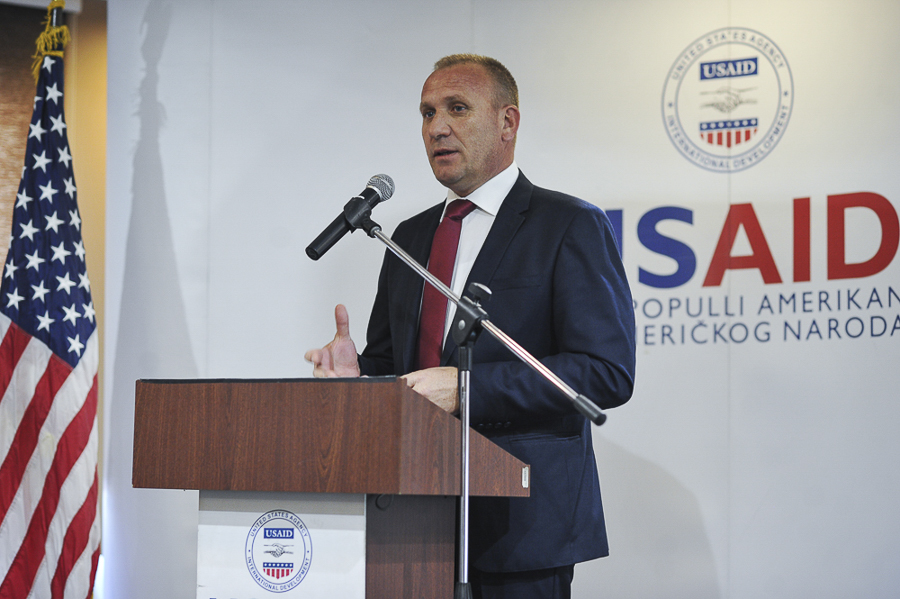
While the Chairman of the Public Procurement Regulatory Board, Safet Hoxha said that the media and civil society are strategic partners that can address the fight against corruption in public procurement in Kosovo. “Together we are reaching dynamically to fight corruption. In this battle, however, is crucial the donor assistance, who today are sharing with us the work and the result of their engagement and investment”, he said. Hoxha said that businesses should be treated as a partner of the state of Kosovo, so the help toward businesses is a help to our state and the capacity building of our state. “In this plan there is no more honest work than affirming the transparency and increasing accountability in public procurement. Therefore launching the Open Procurement Portal is a new achievement, it is a powerful demonstration of this partnership that we are building with donors and civil society that will serve not only to NGOs, but also to the media and Kosovo citizens to see what are the developments in this area”, said Hoxha.
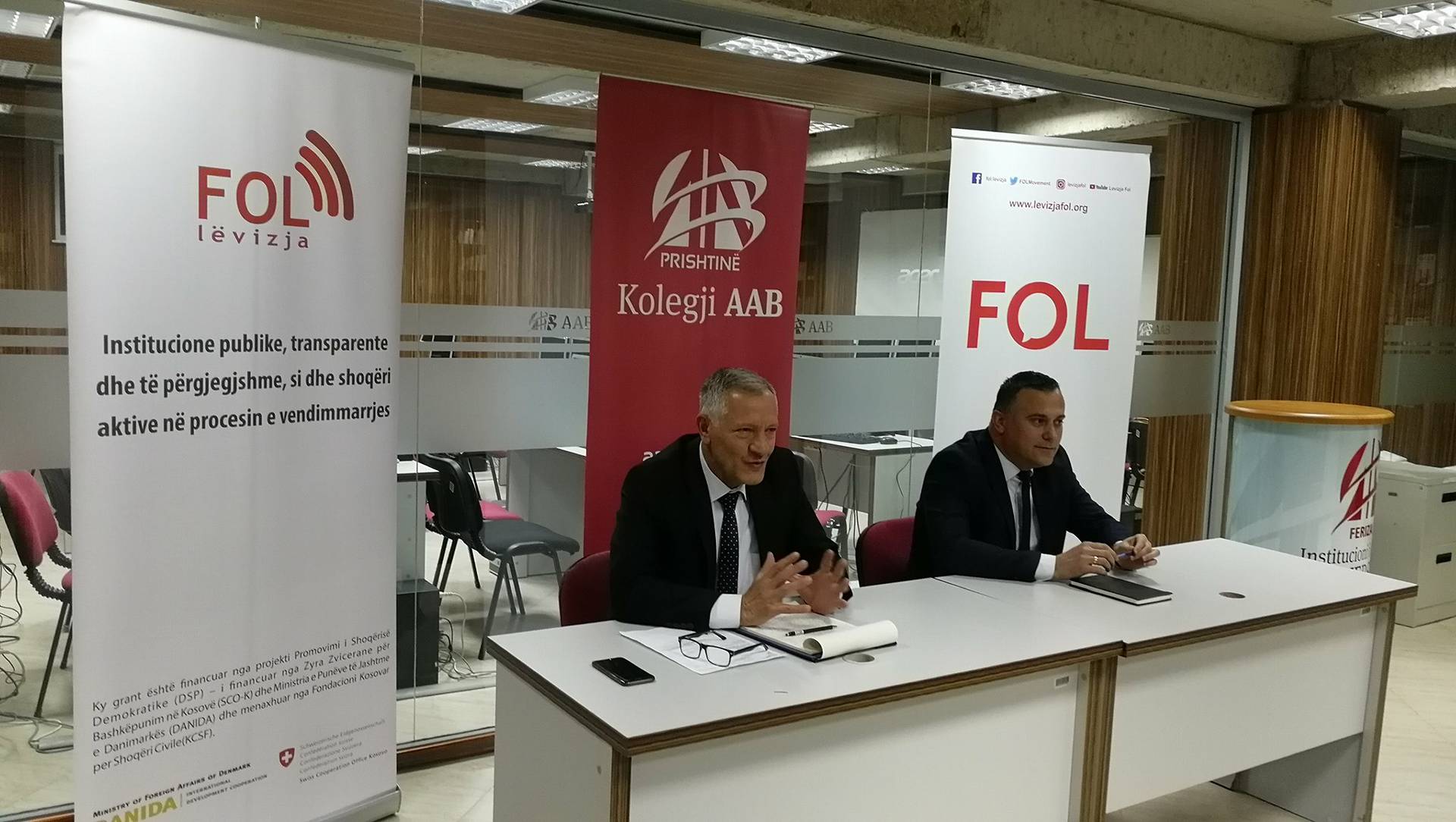
Meanwhile, Jeton Zulfaj, program manager at Lëvizja FOL, who introduced the portal said that the data on this portal are automatically collected from the electronic procurement platform and presented in a friendly way for the user, enabling researchers, businesses and investigators to explore the interactive links between cash flow, public and private actors. “Public procurement transparency portal in Kosovo has transformative potential in promoting accountability and combating corruption. The portal facilitates monitoring activities by civil society organizations (CSOs), investigative journalists, the private sector and the public.” Access to information helps the public to track where money is spent, making Kosovo public institutions more transparent and accountable. Also, among the business community, the Transparency Portal will remove asymmetry in information and thus increase healthy competition. The concept of the “Open Procurement Transparency Portal” is inspired by a model developed by ‘Transparency International’ in Slovakia.

Participants in this activity were key actors from the Government of Kosovo and civil society organizations.

The Open Procurement Transparency Portal is developed by the Lëvizja FOL through the grant agreement awarded by USAID Transparent, Effective and Accountable Municipalities (USAID TEAM).

Workshop on drafting a new Code of Ethics for Prosecutors

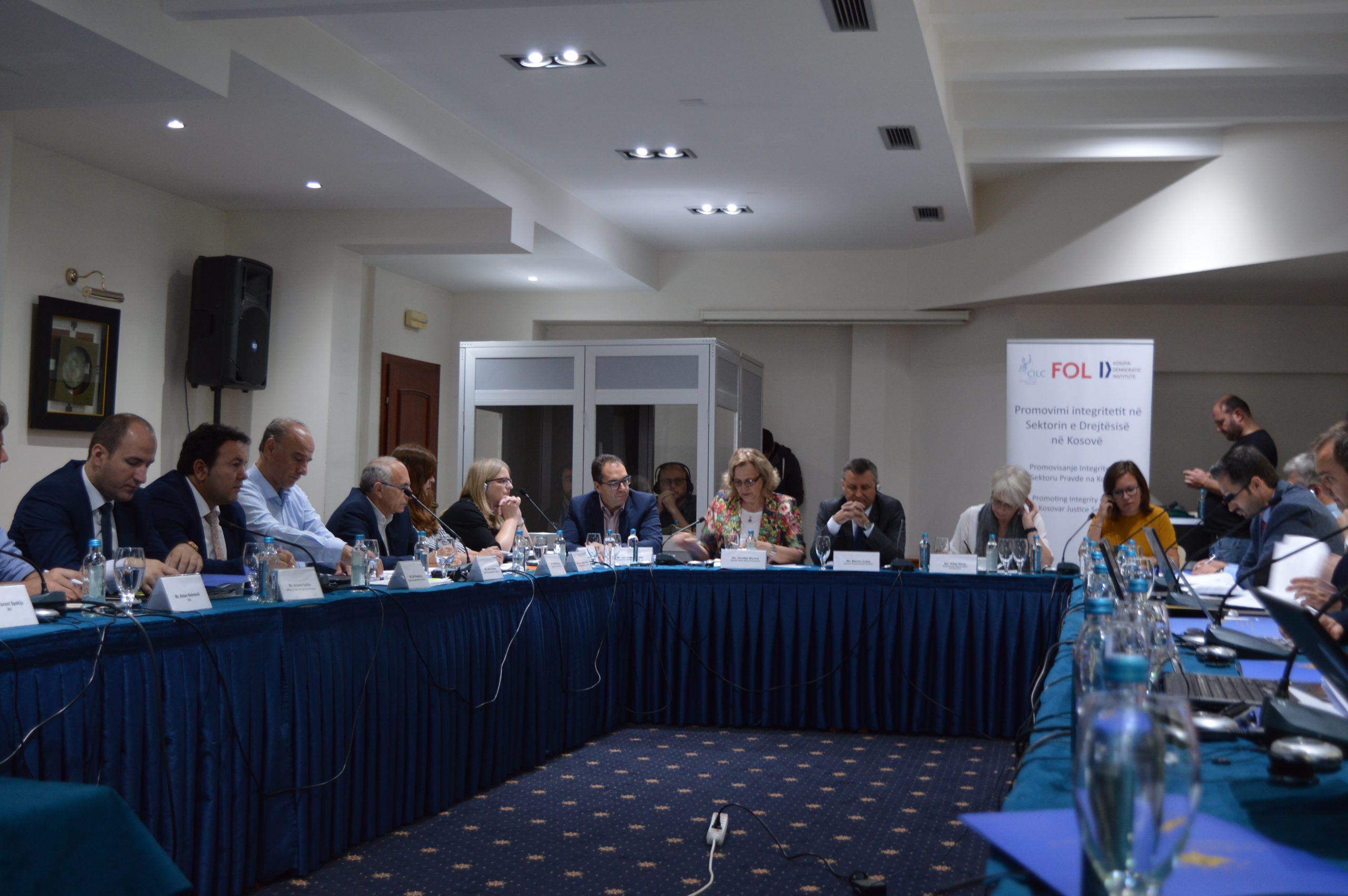
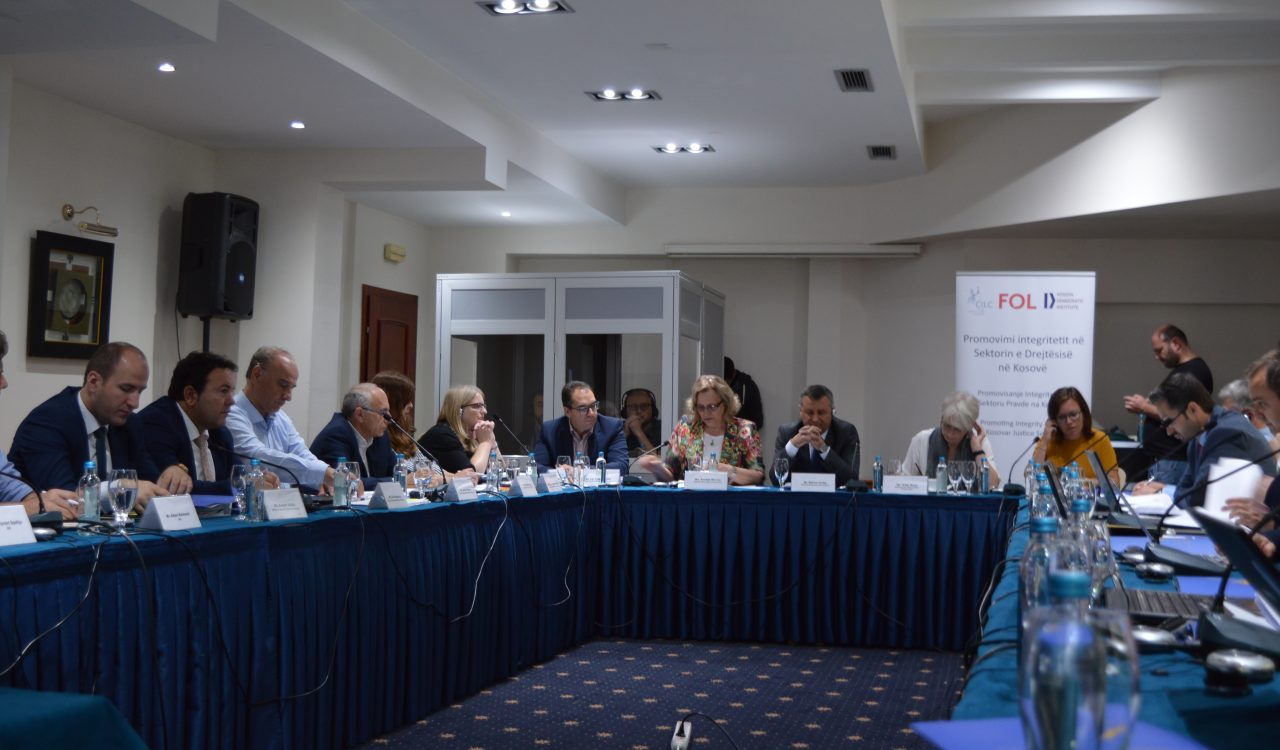
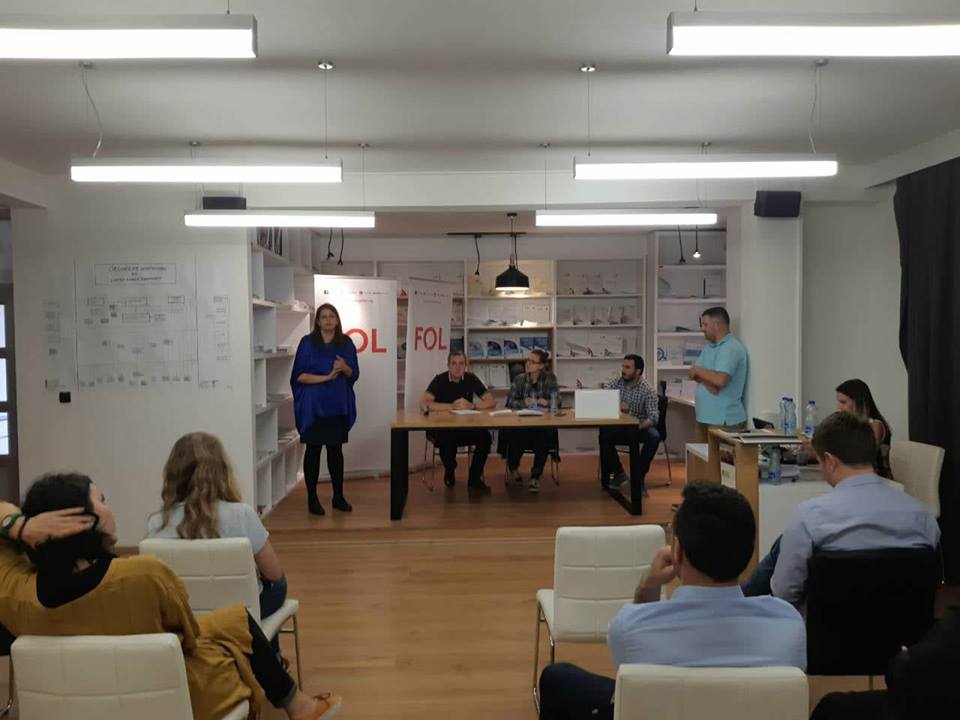
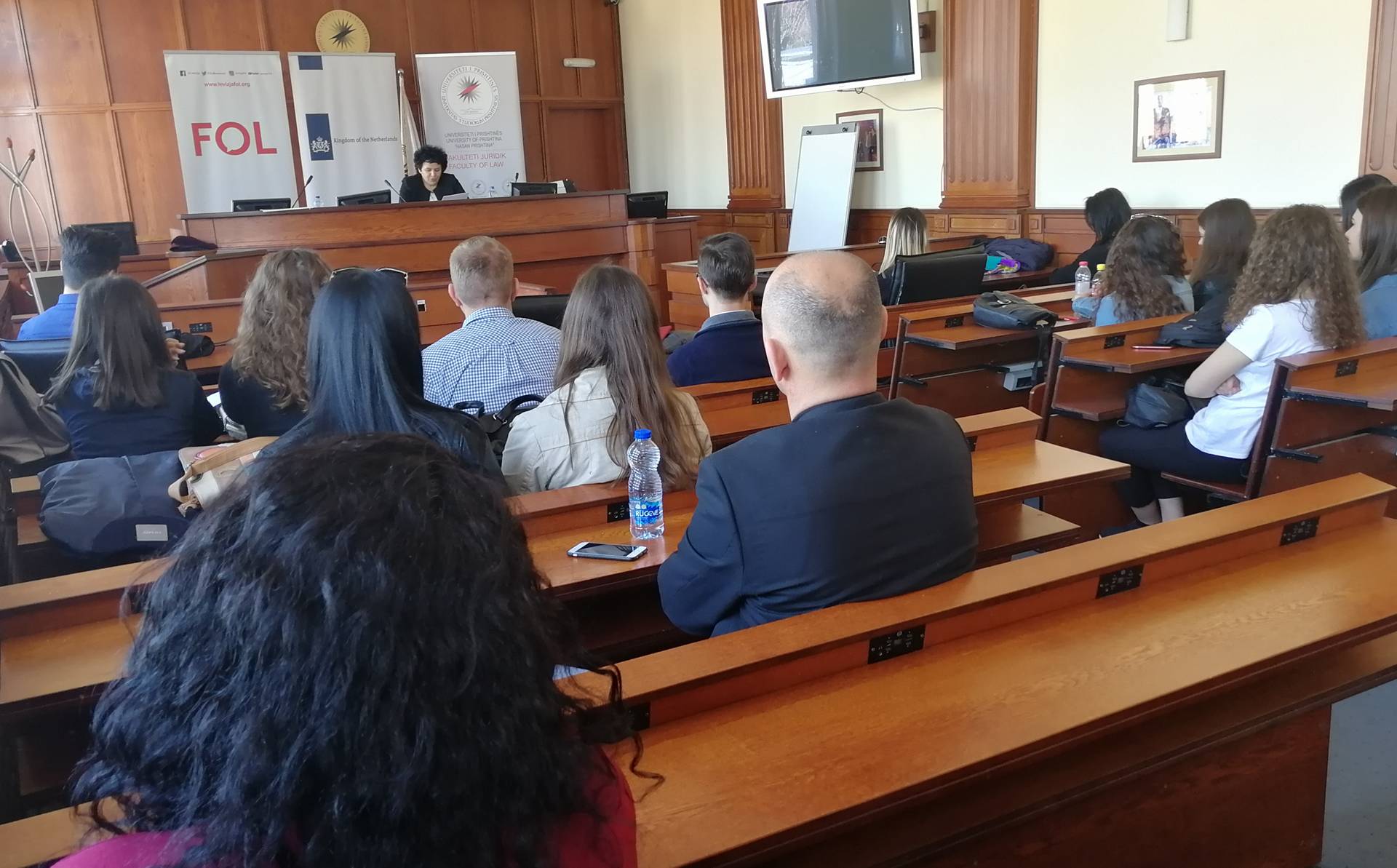
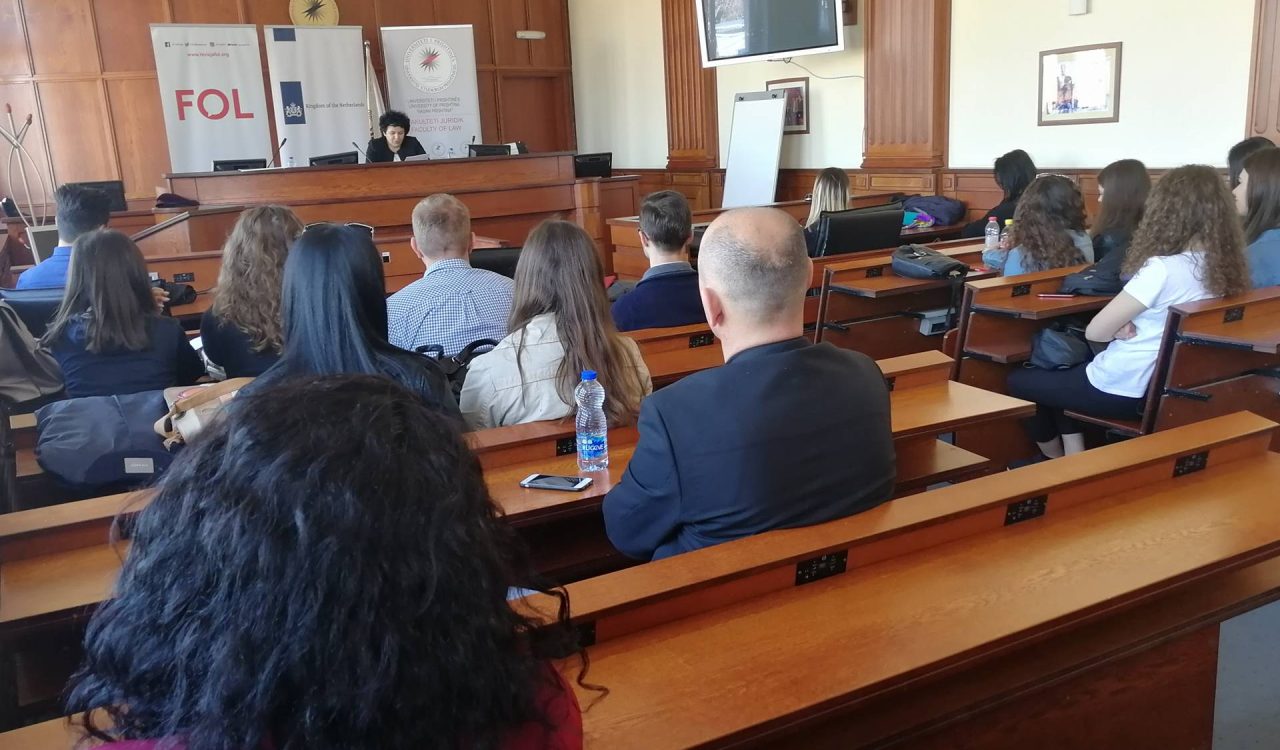
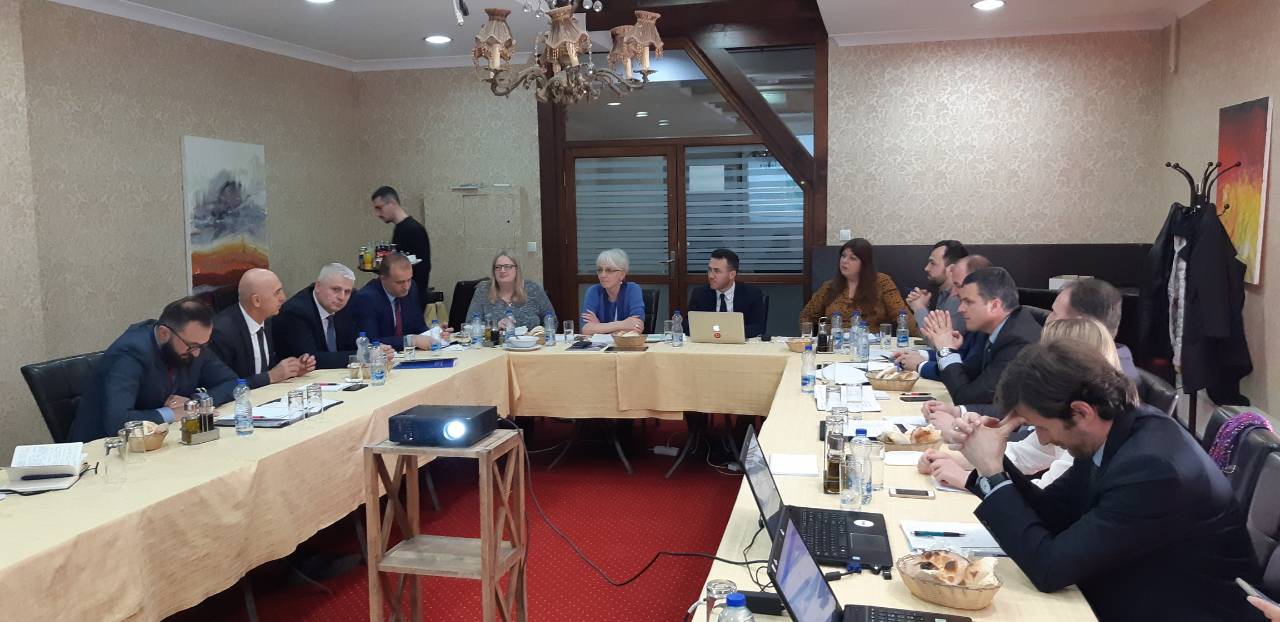
Ohrid, 28 June 2018 – Lëvizja FOL, Kosovo Democratic Institute (KDI) and Center for International Legal Cooperation (CILC) in cooperation with the Kosovo Prosecutorial Council (KPC) are working on drafting a new Code of Ethics for Prosecutors.

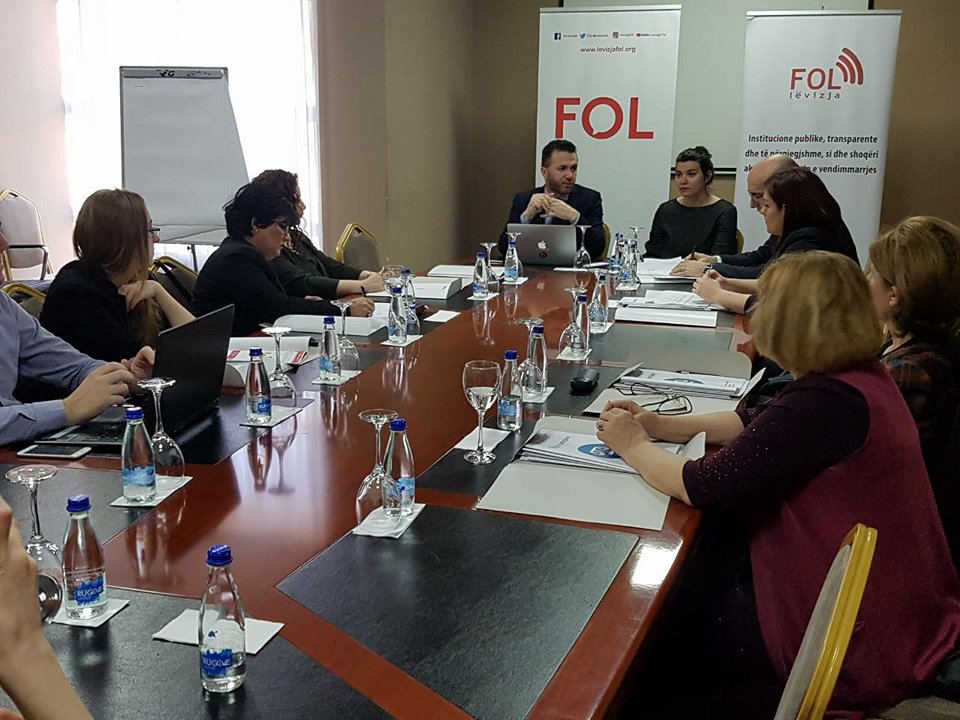
At the workshop being held in Ohrid, together with the KPC and the working group of prosecutors mandated by the Prosecutorial Council on amending the code of ethics, the draft is being discussed and the necessary changes will be made to produce a final document. After this workshop, the final draft will be submitted to the Prosecutorial Council for approval.

Participants in this workshop are Dutch prosecutors and local prosecutors from the working group for drafting the new Code of Ethics for Prosecutors.

After the first workshop held on March 29, 2018, a team of Dutch prosecutors worked on drafting a new draft of the Code of Ethics for Prosecutors, which was presented and discussed in this workshop.

This activity is supported by the Dutch Embassy in Pristina.

Letter from Civil Society to Chief Prosecutor Aleksandër Lumezi

Prishtina, 8 June 2018

Honorable Chief Prosecutor of Kosovo, Mr. Alexandër Lumezi,

A few days ago Kosovo’s budget lost 53 million euros with a single government decision. It lost because these funds did not go for the construction of additional mile roads but as a penalty for non-fulfillment of contract obligations by the Kosovo Government. These funds from our “joint wallet” ended up in the bank accounts of a private consortium. The other doubt here is that as an unclear loss of 14 million in 2017 rose to 53 million within a few months.

We, the civil society organizations and individuals who signed this declaration, think that this case should serve as an alarm for the Kosovo Prosecution Office to investigate the possibility of a massive misuse of public money.

When it comes to such large amounts and as evidenced by previous cases of international arbitration, serious doubts arise that non-fulfillment of contractual obligations is intentional and in full coordination with the contractor. The lack of prosecution response in earlier cases has created the comfort zone of mismanagement of public funds.

Any violation of the law should take the deserved punishment, but violations of such magnitude should alert us on national level. If Kosovo – a tired country of chronic poverty is so easily robbed 53 million euros, how can this society foster confidence in its citizens and aspire to be a state with rule of law? We need to be aware that this is the biggest loss of public money, at least publicly known. So, not investigating this urgently it would be a serious omission of the Prosecutor’s Office.

Honorable Chief Prosecutor of Kosovo, the extortion of 53 million euros has the address of the institutions, the decisions taken by these institutions and the relevant documents (specific contracts) that can easily indicate the names of legal persons responsible for this robbery of public property. It is your legal and moral duty to investigate this work to the end and in this endeavor civil society will stand by you, but also will oversight you.

Kosovo citizens have passed the immunity test against corruption. In all researches, low level corruption (during interaction between citizens and the state) is at the lowest levels in the region. But, as opinion polls show, this test still cannot pass the current political class, which through rigid interference continues to undermine the independence of the judiciary and ensure impunity for themselves and people close to them. For the sake of these politicians, the citizens of this country continue to be the only isolated European citizens.

Honorable Chief Prosecutor, in the coming days, will be seen if you will pass this test by observing whether you will comply with your constitutional and legal obligations and commitments that we hear from you and your subordinates in all forums on it which you participate.

Or you will decide to keep silent, closing your eyes to this flagrant case. If you decide to keep silent, we remind you that this society will remember you as a coo responsible and you will no longer have any moral and legal reasons to stay in your position.

The organizations that signed the letter:

Kosovar Center for Security Studies

INDEP

D+

Lëvizja FOL

Instituti Demokratik i Kosovës (KDI)

Sbunker


The performance of Prosecutions and Courts in fight against corruption for 2017

Prosecutions and courts increase performance in the fight against corruption

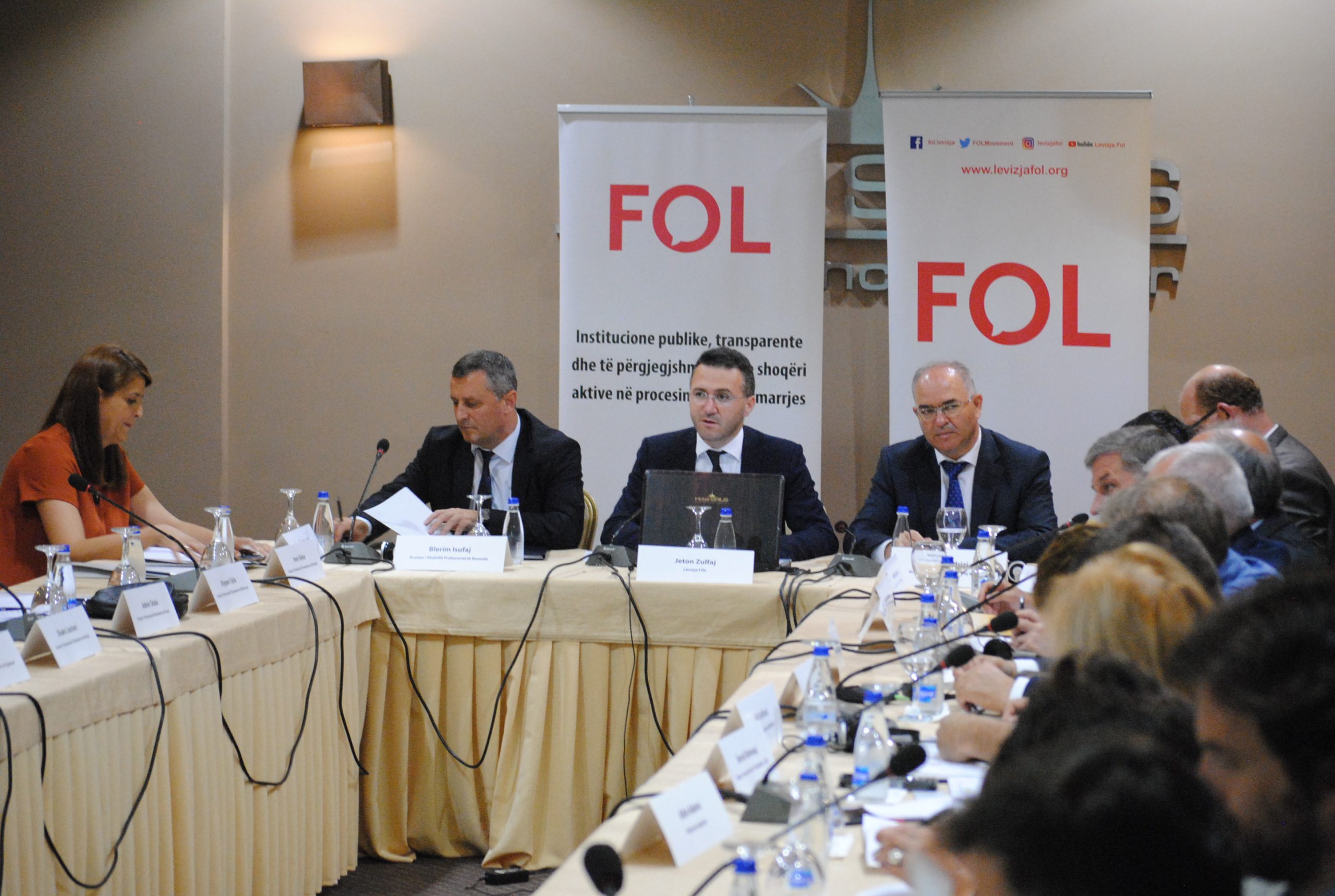
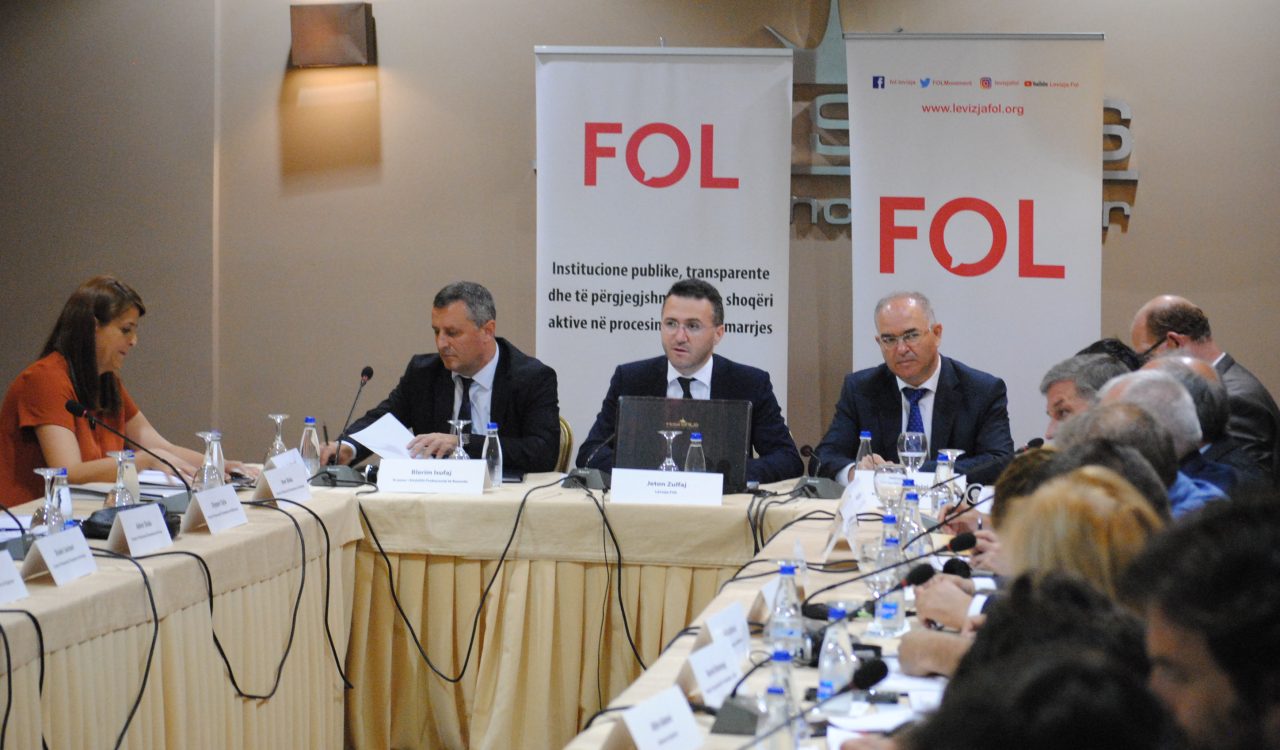
Prishtina, 31 May 2018 – Lëvizja FOL has held today a roundtable, whereupon the report on “The Performance of Judiciary and Prosecution in the Fight Against Corruption” for 2017 was published.

Jeton Zulfaj, programme manager form Lëvizja FOL said this is the second edition of the report “Beyond the Numbers”. Like last year, for the year 2017, Lëvizja FOL has done the measurement of prosecution and court performance in the fight against corruption. “Every day we face the term corruption and this year was very present because of the fact that remained the last criterion for visa liberalization. At the central level, prosecution offices and courts have shown positive performance in handling new corruption cases by solving more cases than they received during 2017 “, said Zulfaj.

According to Zulfaj, the report is statistical and Lëvizja FOL is offering an overview of Prosecutions and Courts to see and measure themselves, but the report cannot show how the cases have been solved.

Kosovo Prosecutorial Council Chairperson, Blerim Isufaj said that “The trend of solving cases is positive and that over 25%”. There is no dilemma that we have advanced, the budget has increased and 148 additional posts have been approved for administrative staff only.

On the other hand, the Judicial Council Chairman Nehat Idrizi said that “the Council has made efforts to combat corruption where we have initially established a working group and we have drafted an action plan for corruption cases, related to targeting, monitoring and reporting on the status of high-level corruption cases so-called perceived mechanism, and we have created a working group on corruption cases in the composition of judges. There is no dilemma that we have advanced, the budget has increased and 148 additional posts have been approved for administrative staff only. Both of these mechanisms serve the KJC and provide policy recommendations in the fight against corruption”.

The report finds that at the central level, the Prosecution Offices have had a positive performance and have increased their profits from 130% to 135% in dealing with corruption cases. Likewise, the courts have a positive performance even in 2017 with the resolution of corruption cases, however the courts have a declining performance when compared to 2016, which was 122% to 114% for 2017.

Misuse of official position or authority remains the most repeated offense of corruption, of which 826 persons are under investigation by the prosecution, nearly 90% of them belong to this criminal offense.

If corruption is seen through numbers, then in 2017 there is a decrease of more than 200 people under investigation by the prosecution for corruption. Of the 826 persons to whom there was a criminal indictment for corruption in 2016, this number has decrease to 622. This number is still high, indicating that corruption remains present.

The Special Prosecution Office had the best case resolution for 323%, followed by Pristina by 141%. However, both the Special Prosecution and the Pristina Prosecution continue to have a large number of transferred cases, which causes justice to be delayed

To see all the indicators on the performance of prosecutions and courts in the fight against corruption for 2017, read the report at www.levizjafol.org/publication.

Lack of transparency in public procurement increases doubts about corruption

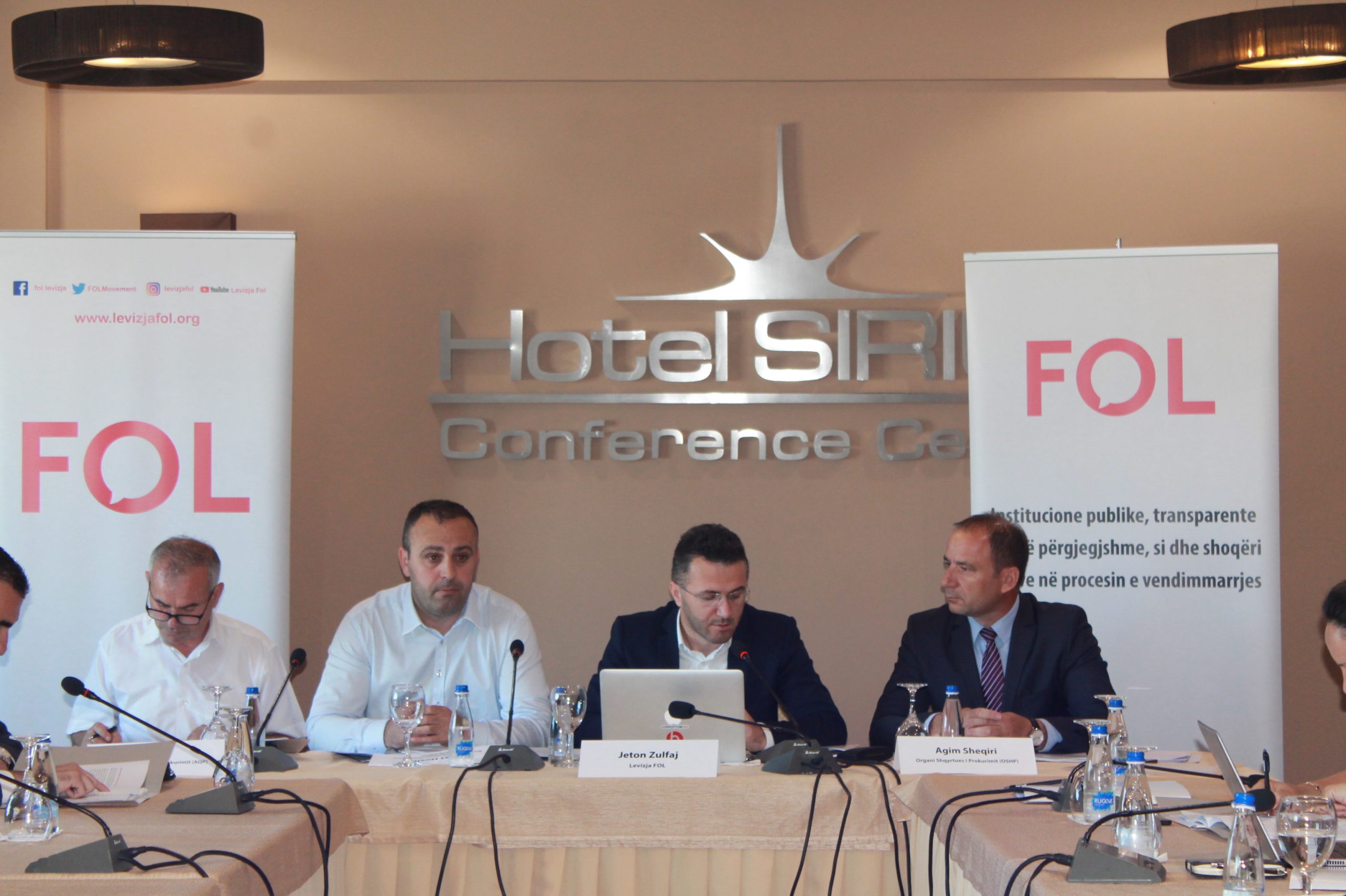
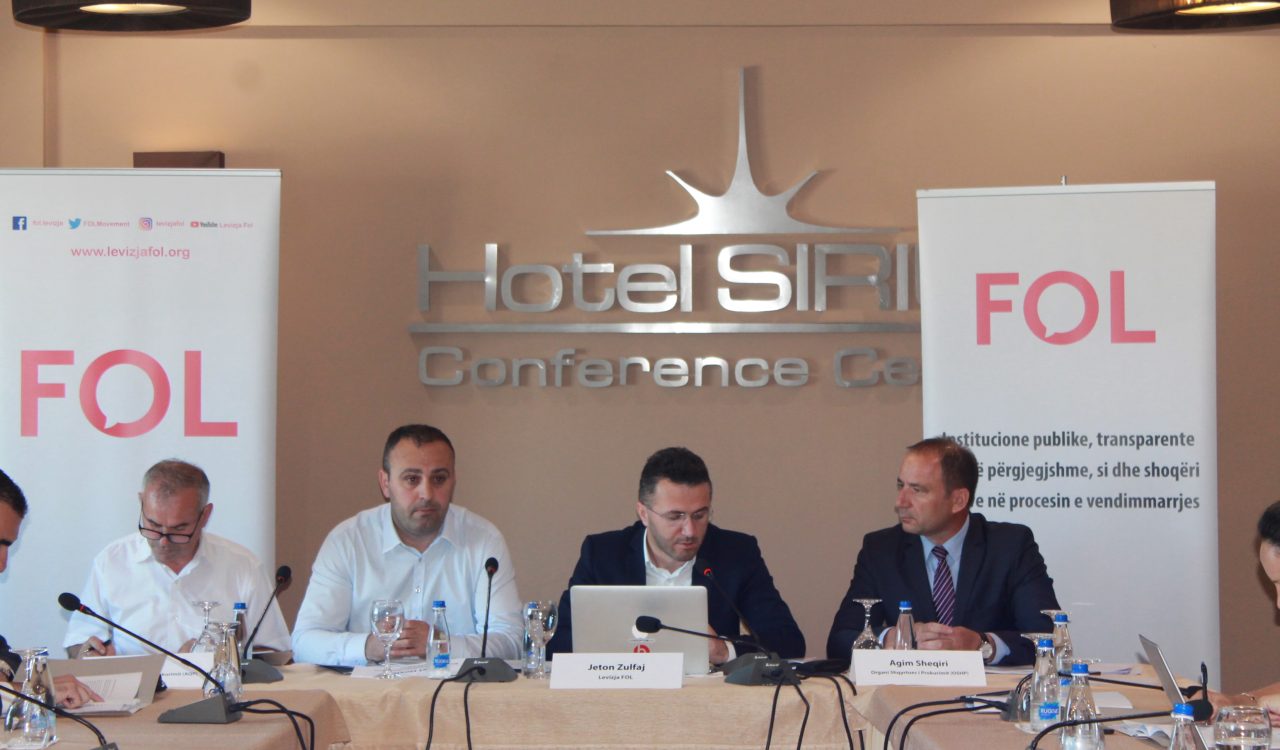
Prishtina, 29 May 2018 – Lëvizja FOL held today the a roundtable where the report was discussed “Th Transparency in Public Procurement in Kosovo”. Panelists at this roundtable were: Osman Bytyqi from PPRC, Agim Sheqiri from PRB, Mursel Racaj from CPA and procurement officials from ministries as well as representatives of media and non-governmental organizations.

Jeton Zulfaj, programe manager from Lëvizja FOL t said the report is a summary of the annual public procurement monitoring report in three ministries: the Ministry of Infrastructure, the Ministry of Economic Development and the Ministry of Agriculture, Forestry and Rural Development.  “This report also contains an update of the legal analysis from 2016 bringing the case of Estonia and an analysis of the importance of opening public procurement planning in Kosovo,” said Zulfaj. “The law on commercial companies has not changed yet. It is important that this law needs to be changed in the sense of providing a lot of information about the person who benefit from behind these businesses. It is evident that certain persons may be affiliated with those who benefit from public tenders. Also, procurement officials are vulnerable to corruption and should also be subject to property declaration, “Zulfaj said. According to him, FOL findings from monitoring it appears that there is discrepancy in the publication of data between the PPRC’s and E-Procurement web sites, contract notices, contract award notices and contract signature notices.

Osman Bytyqi from the Public Procurement Regulatory Commission agrees with many of the FOL findings. “The law has not entered a legislative agenda for this year but they have promised to enter in the agenda next year and we are part of the working group and I believe that the contracts will be public soon,” Bytyqi said.

Meanwhile, Agim Sheqiri, from the Public Procurement Review Body, said that the current legal basis is very good, but should focus on the sustainability of the projects. “We have to focus on sustainable procurements this year. We are witnessing that sometimes things are not done well. We buy machinery but are not durable. The ministers come up inaugurating projects but they do not end because there are shortages in the system”, Sheqiri said, adding that there are cases that one owner stands behind 2-3 other companies.

Whereas Mursel Racaj from the Central Procurement Agency (APQ) said that the CPA started with the establishment of central procurement, but the increase of this list is becoming a challenge due to the lack of procurement officers in the CPA. “In addition to this, monitoring and implementation of contracts are also facing with problems in practice. Responsibility mostly falls on officials responsible for monitoring and enforcing contracts. Therefore, I encourage you to do more in implementing and monitoring contracts, “said Racaj.

The Assembly of Members of Lëvizja FOL elects FOL Executive Director, Mexhide Demolli-Nimani

Prishtina, 14 May 2018 – The Assembly of Members of Lëvizja FOL held today a meeting in order to elect the Executive Director of Lëvizja FOL.

Mexhide Demolli-Nimani was elected the director of the Lëvizja FOL. The number of members of the Assembly of Lëvizja FOL is 24, whereas in this meeting were 14 of them.

Mexhide Demolli-Nimani is co-founder of Lëvizja FOL and has been engaged throughout this period as Media Office Coordinator and Project Coordinator in FOL. She has completed studies in Albanian Literature and Language and Journalism at the University of Prishtina.

Also during this meeting was approved the Financial Report and Work Report for 2017.

(BAD) PLANNING PUBLIC PROCUREMENT

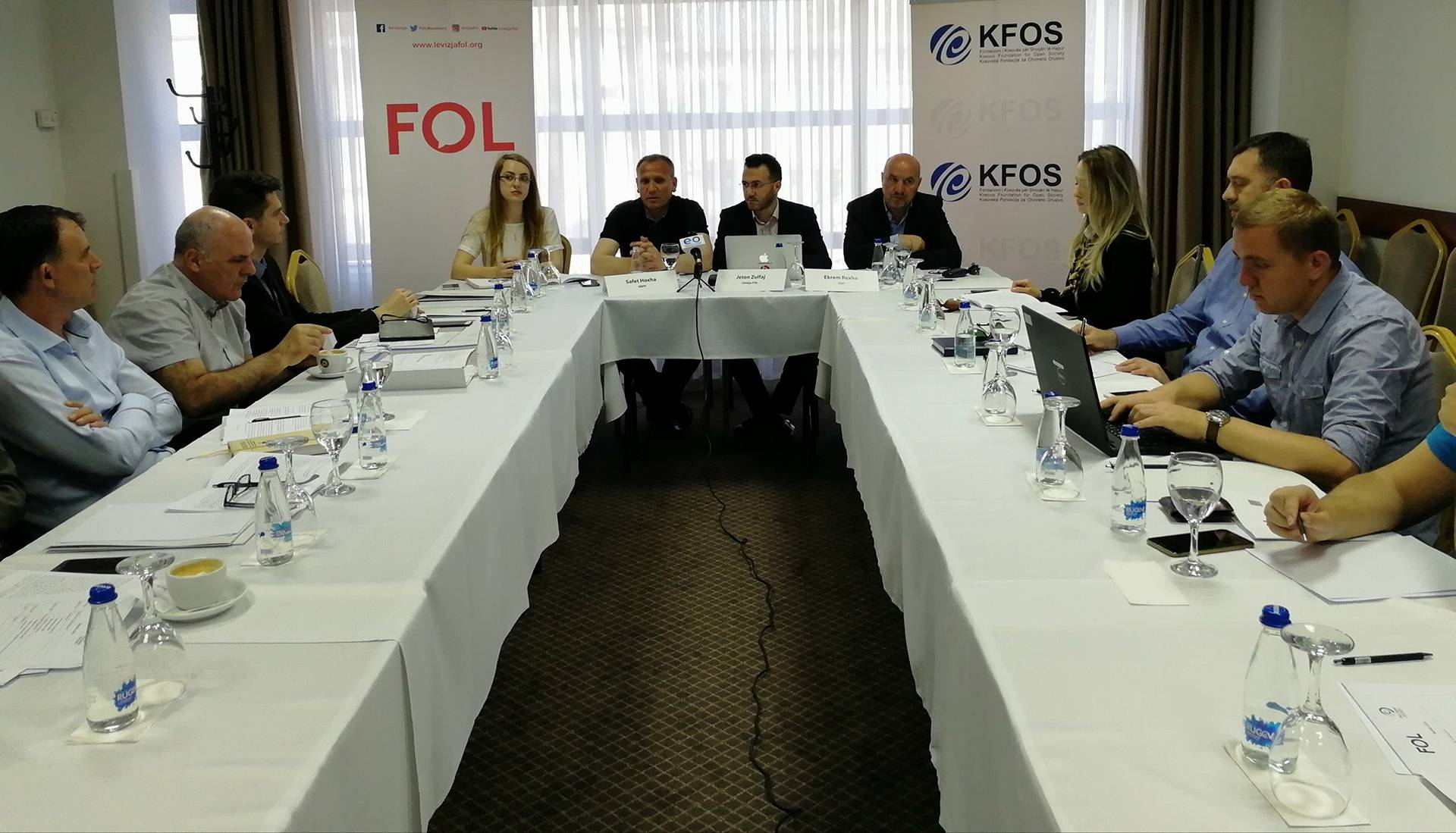
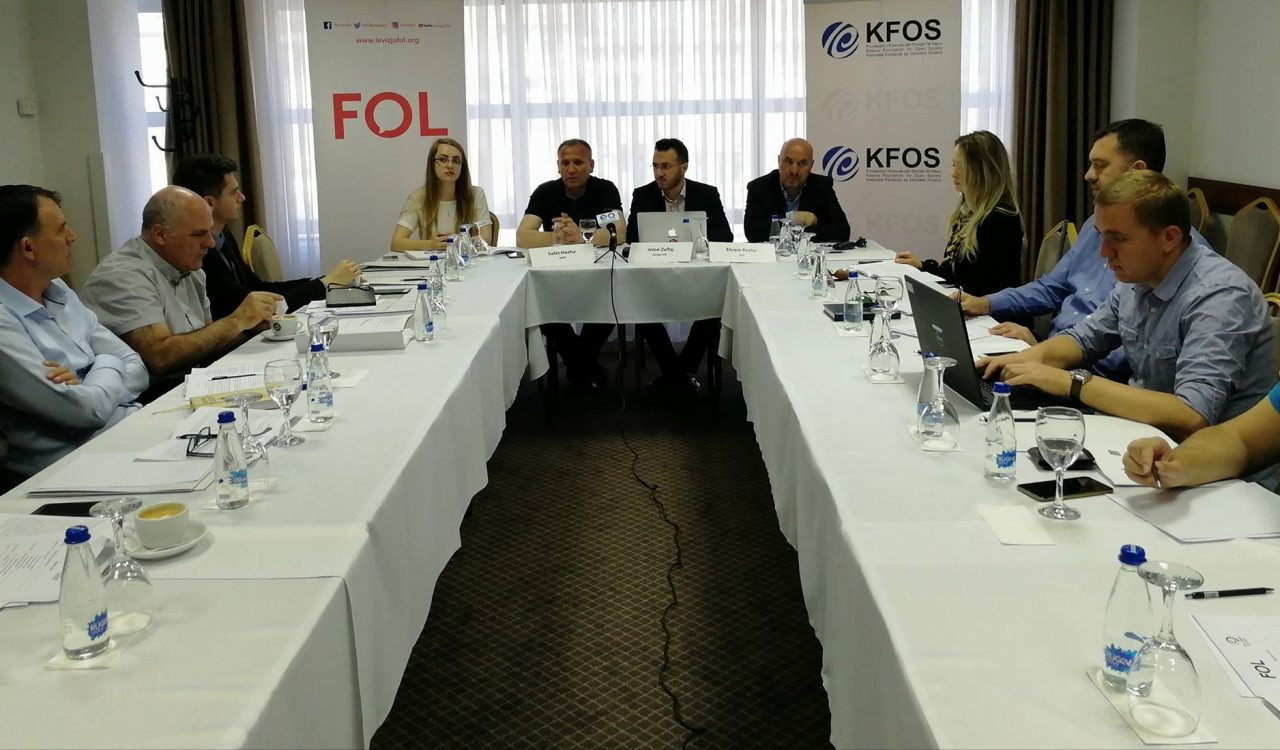
Prishtina, 26 Aprill 2018 – Lëvizja FOL held today the round table discussion “Monitoring of Public Procurement Planning” where was discussed for the realization of public procurement planning by the institutions monitored by FOL. Panelists at this roundtable were: Safet Hoxha from Public Procurement Regulatory Commission (PPRC) and Ekrem Rexha from Central Procurement Agency (CPA).

Jeton Zulfaj, programe manager at Lëvizja FOL said that FOL has consistently been dealing with discussions about the problems in public procurement. The problems that exist in this area are also highlighted in the latest European Commission report on Kosovo. “The European Commission’s Kosovo Report of 2018 has criticized public procurement institutions for ineffectiveness in managing the public procurement cycle. Among other things, this affects the realization of contracts, their management and inappropriate management of public money, “said Zulfaj. Meanwhile Gresa Smolica presented the data from the report on monitoring the public procurement planning. “From monitoring procurement planning as well as previous monitoring of contracts by monitored institutions, FOL has found some irregularities that have affected inadequate spending of public money. Also, public procurement planning is not drafted in accordance with the Law on Public Procurement and the planning monitoring by FOL does not explain in details the expenditures and activities that will be implemented by the contracting authorities,” Smolica said, adding that in 2017 many institutions have signed contracts that were not previously part of the final planning that was submitted by the institutions in the CPA.

Safet Hoxha, chairman of the PPRC, said that procurement planning is a multi-dimensional instrument. “This increases transparency and internal procurement control. Citizens can see how their money is spent, but they can also make comparisons with other institutions. So far, planning has been done in the form of a prognosis, without detailed research, “said Hoxha, adding that we have to have a detailed procurement planning which is done by the institutions. According to him, the publication of procurement planning removes somehow the concerns that may have procurement officials regarding the impressions toward public opinion.

Hoxha said that there should be a platform where procurement officers would report on the abuses they face. “We must address the responsibility of the bodies who plan and manage the contract,” said Hoxha.

Meanwhile, Ekrem Rexha from CPA said that due to poor planning, we have increased requests for non-foreseen procurements. This is due to the lack of internal coordination of the Contracting Authorities.

Feti Ibishi, Head of Procurement Division at the Ministry of Labor and Social Welfare, said that procurement officers have no protection from anyone, neither by the PPRC. We have been displaced from Departments to Divisions, “There are times when we do not have a prepared officials on management of contracts”, he said.

Arben Selimi from the National Audit Office said that this office audits the whole procurement process. “Problems are at the last stage of contract management. If the contracting authority does not know how much it spent last year, it is not possible to do a good planning, “Selimi said.

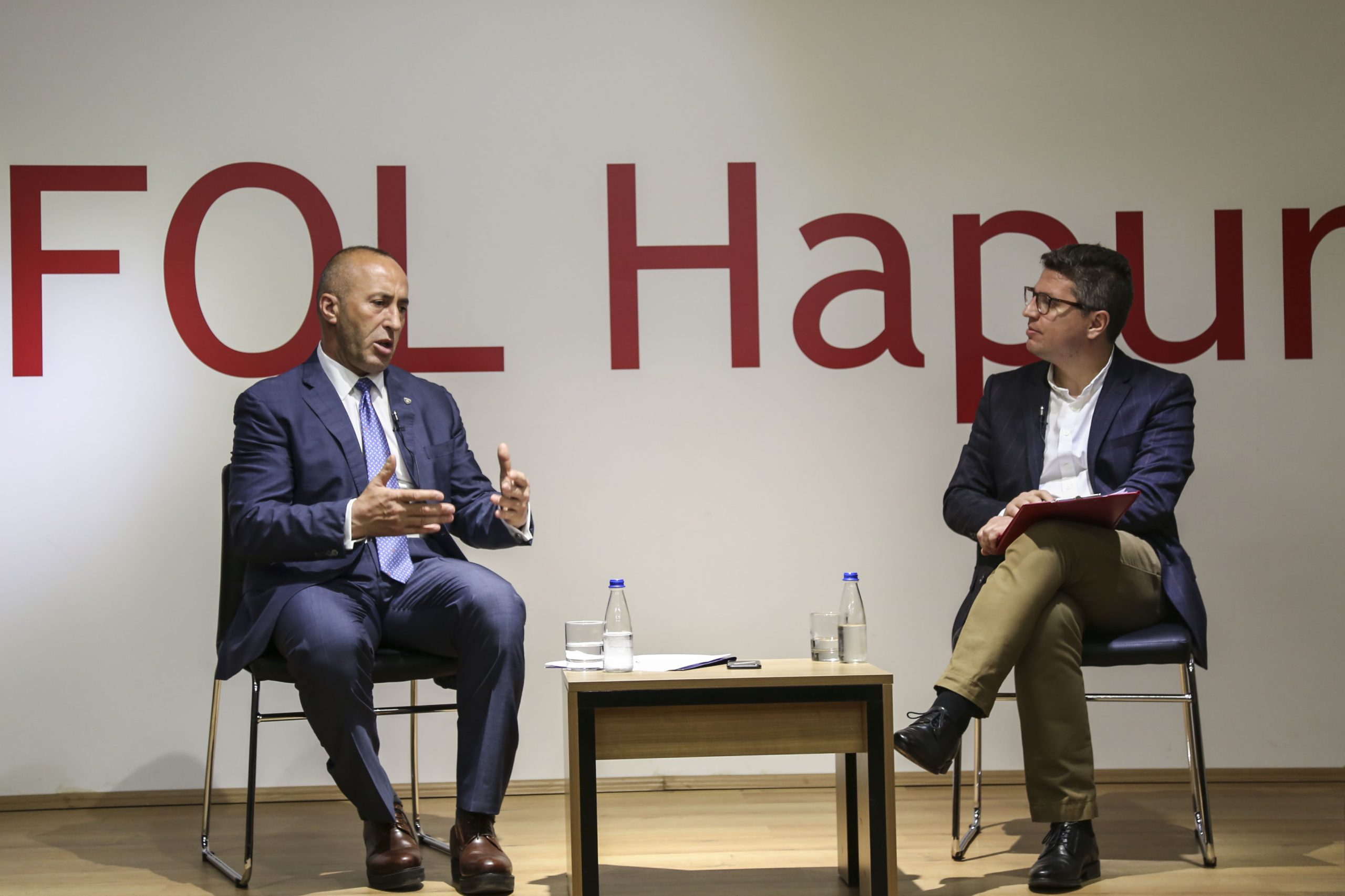
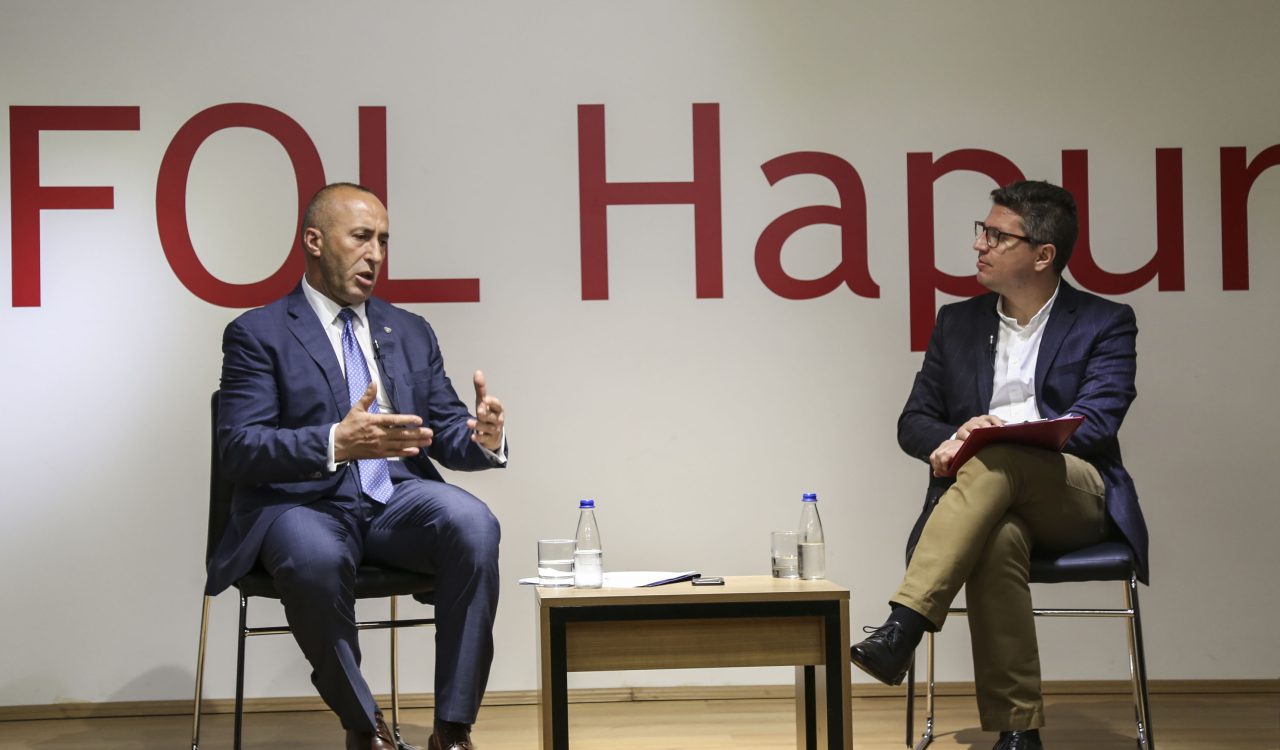
FOL Hapur with the Prime Minister Ramush Haradinaj

Prishtina, 12 April 2018 – Lëvizja FOL held today the FOL Hapur forum where the guest was the Prime Minister of the Republic of Kosovo, Ramush Haradinaj.

This forum discussed the current topics in the country, such as the dialogue between Kosovo and Serbia, the formation of the Kosovo Army, the arrest and deportation of six Turkish citizens, the formation of the association with Serbian municipalities and the visa liberalization.

“Last time in Brussels I said that this power of dialogue is not enough to resolve the Kosovo-Serbia issue. It is said to me that we do not understand what I’m looking for. I have also been told that you do this through the agreements that you implement, “Haradinaj said.

Meanwhile regarding the association of Serb-majority municipalities, Prime Minister Haradinaj said that the ultimatum of Serbs is a tactic which is used in these situations to avoid reacting to such situations. “The Serbs List has offered resignation I did not accept. Now there is a communication. It seems to you perhaps absurd but there is no request for a return of List to the government, “Haradinaj said.

Conversation with the President of the Supreme Court, Mr. Enver Peci

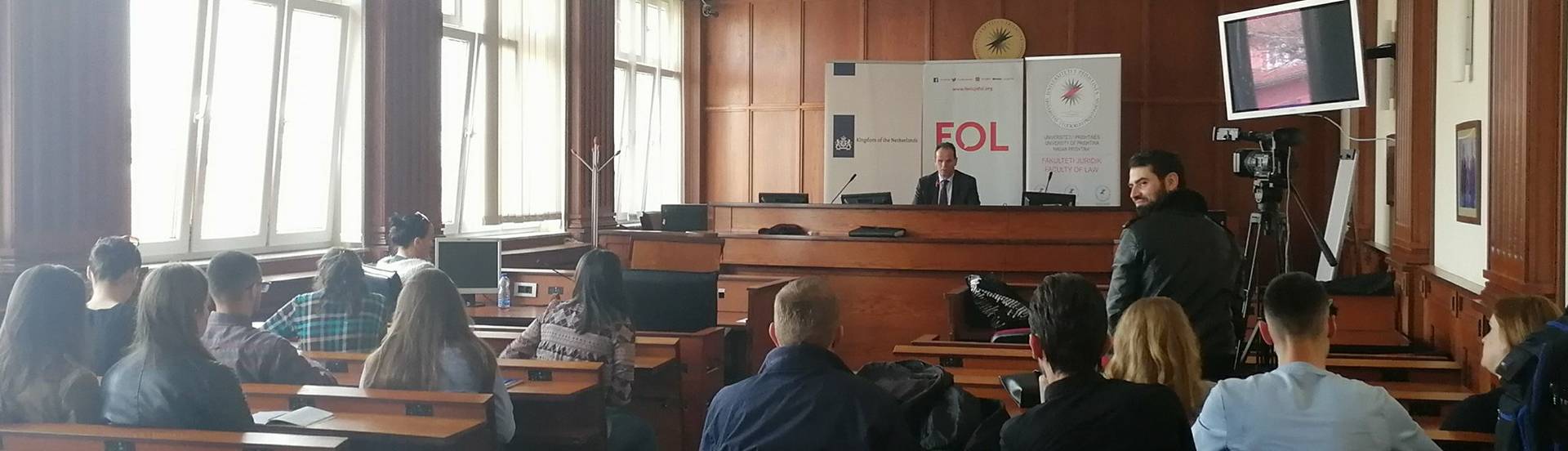
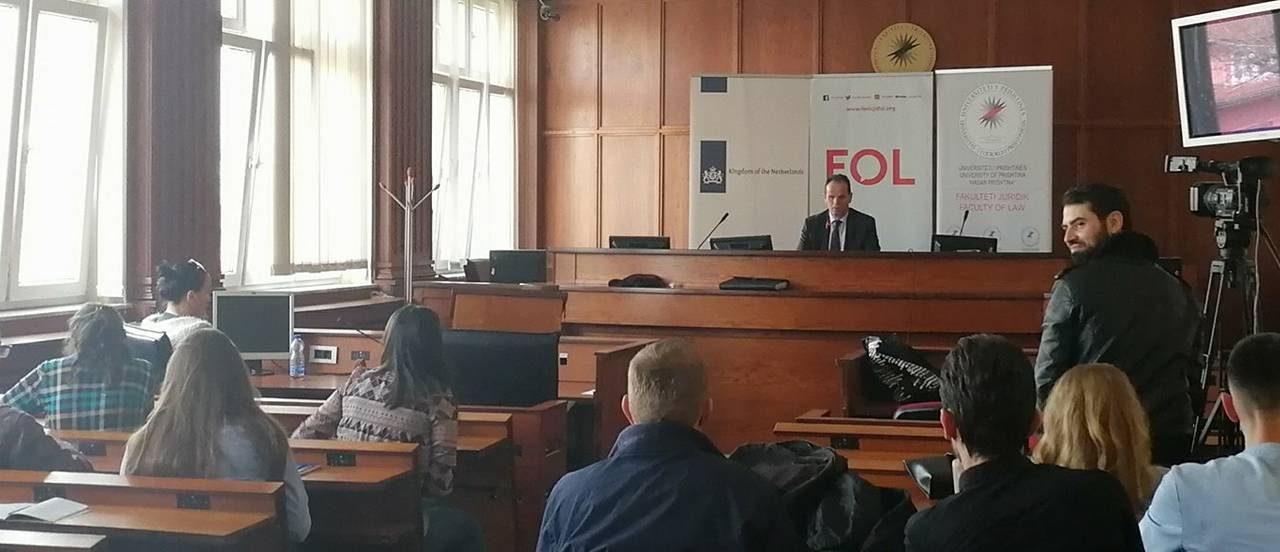
Prishtina, 5 April 2018 – Lëvizja FOL held today a conversation with the President of the Supreme Court in Prishtina, Enver Peci and students of the Faculty of Law. The topic of discussion was the Integrity of the Judiciary in Kosovo.

The President Peci spoke to the students about the work of the Supreme Court and also about the integrity of the judiciary in general. According to him, the Kosovo judiciary is independent and all those who are caught making influential decisions face with the Disciplinary Council.

Though there has been some progress in recent years, according to him, the Kosovo judiciary has great challenges as well.

This activity was supported by the Dutch Embassy in Pristina.

Challenges on management of Corruption in Courts and Prosecutions of Kosovo

Prishtina, 4 April 2018 – Lëvizja FOL held today a discussion with Prosecution Officers and Basic Courts in charge of collecting statistics on corruption cases in the Court and the Prosecutor. In the meeting is discussed the challenges of managing statistics on corruption in Kosovo Courts and Prosecution Offices, from lack of statistics officers till to cases confusion.

Jeton Zulfaj, programe manager at Lëvizja FOL said that during the visits that FOL has had to the Kosovo Court and Prosecutor’s Office, it has noticed that there are numerous problems regarding the management of statistics on corruption statistics, as a result of the lack of statistics officers. “We are interested to have a special category, showing how many cases are prescribed,” Zulfaj said.

Besnik Ramosaj- Director of the Statistical Office of the Kosovo Judicial Council said that the possibility of errors in statistics is possible, due to the large number of cases. “There is a problem due to the change of courts. The number also varies when a case passes from a department to another department. In Prizren we had a problem with the statistics officer, officials have count all the cases, “Ramosaj said, adding that the source of statistical information should be form the statistics officer and not from any other official.

Nurije Ali from the Basic Prosecution in Ferizaj said that when the qualification of the case is changed, we do not have the opportunity how to report it, it should be a special section for reporting these offenses. “Moving cases from one department to another causes us troubles in statistics. It should be given the opportunity to indicate the cases when the requalification of the cases is done. We report to Laura Pula every month for statistics, so the same report goes to the Prosecutorial Council, “Aliu said.

Meanwhile, Xhemile Morina from the Basic Prosecution in Mitrovica said that she did not encounter cases when the acts from other chapters were mixed. “In Mitrovica we are only two officials dealing with statistics, that we records officials and we have additional work with statistics work,” she said.

Pranvera Ademi from the Basic Court in Peja said that they also have problems with the qualification of the offense, because the Prosecution comes with another qualification and the court qualifies differently and for this there are differences in statistics.

This grant is funded by the Democratic Society Promotion (DSP) project – funded by the Swiss Cooperation Office in Kosovo (SDC) and the Danish Ministry of Foreign Affairs (DANIDA) and managed by the Kosovo Civil Society Foundation (KCSF).

Conversation with students on the integrity of the judiciary

Prishtina, 3 April 2018 – Lëvizja FOL held today a meeting discussion between the students and the President of the Basic Court in Prishtina, Afërdita Bytyçi. The topic of this conversation was: The Integrity of the Judiciary and the Code of Ethics.

Mrs. Bytyqi spoke to the students about the Code of Ethics for Judges and also shared experiences from her work as a judge.

This activity is supported by the Dutch Embassy in Pristina.


Visit of Dutch prosecutors to the Kosovo Prosecutorial Council

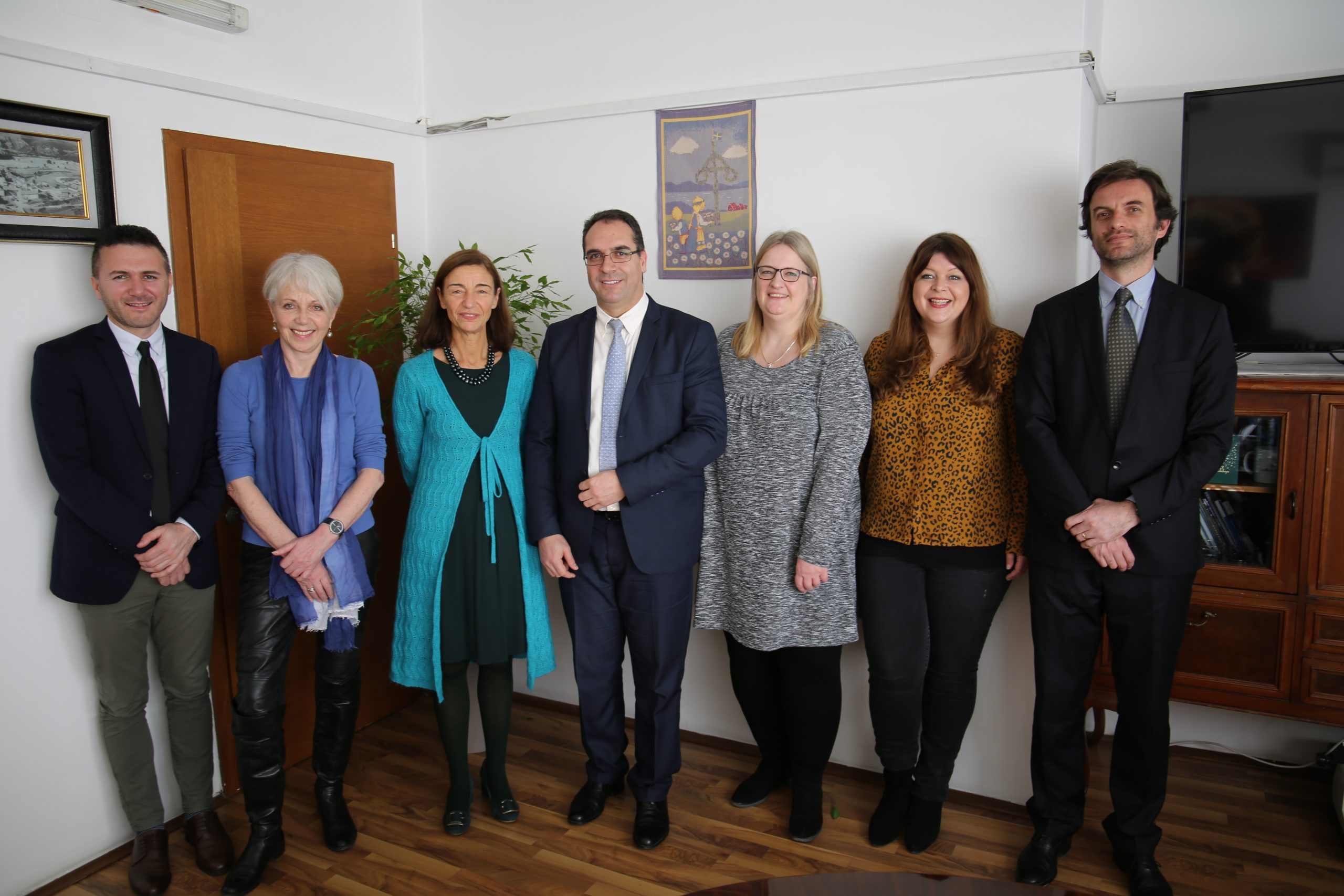
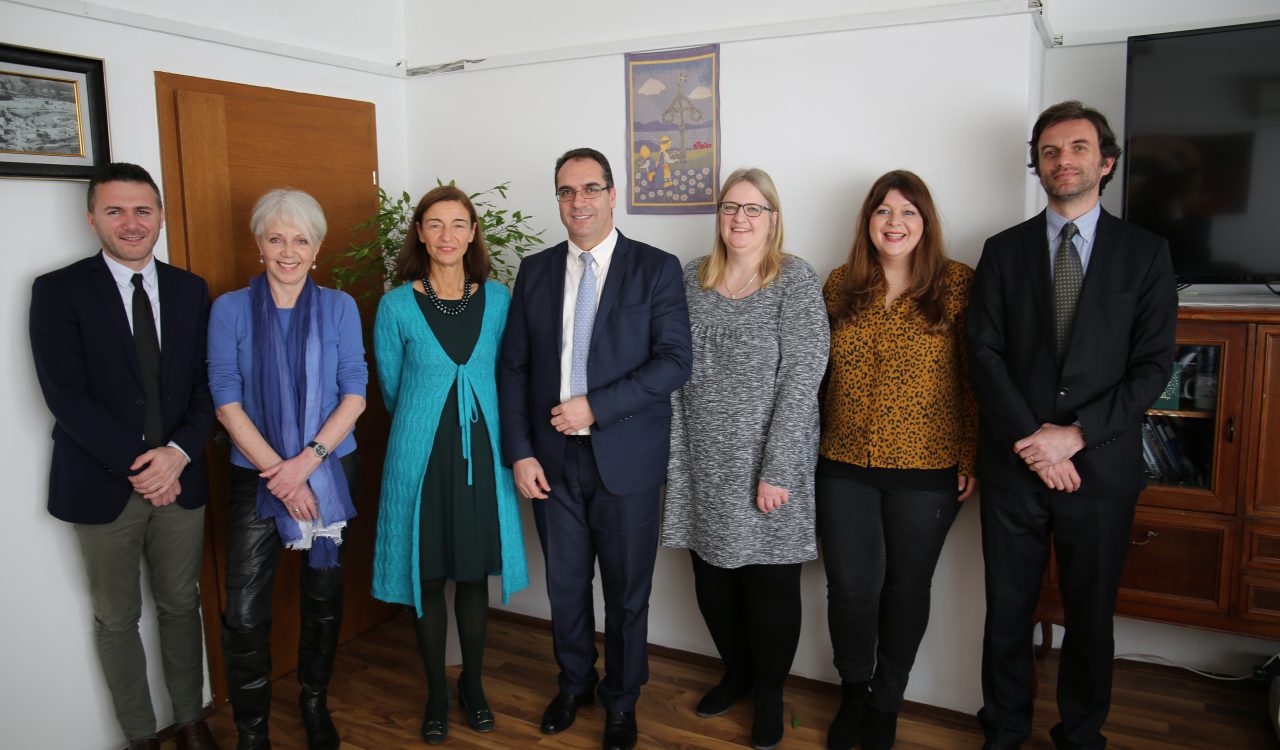
Prishtina, 29 March 2018 – Lëvizja FOL in partnership with KDI-në and CILC, together with prosecutors from Netherlands have visited today the Secretariat of the Kosovo Prosecutorial Council. Participants in this meeting were: Gerrie Williams – Ambassador of the Kingdom of the Netherlands in Kosovo, Kitty Nooy – Public Prosecutor and Program Manager for Integrity of Prosecutors in the Netherlands, Loes van den Brand – Netherlands Public Prosecutor’s Office for Integrity, Heleen Smit – Integrity Officer at the Netherlands Public Prosecution Office, Lavdim Krasniqi – Director of the Secretariat at Kosovo Prosecutorial Council, Jeton Zulfaj – Program Manager at FOL and Arben Kelmendi – Project Manager at KDI.

In the meeting was discussed about challenges and dilemmas that prosecutors have with the current code of ethics and the changes that must take place with the new code.

It was also discussed about the KPC’s decision on the working group on amending the Code of Ethics for Prosecutors as well as the role that Dutch prosecutors that will have in providing support for drafting the new Code of Ethics for Prosecutors.

FOL, together with project partners, will be part of this process as well as part of the working groups on the Code of Ethics change for Kosovo prosecutors.

Conversation with students in Ferizaj

Ferizaj, 29 March 2018 – Lëvizja FOL has organized the meeting discussion with students of AAB College in Ferizaj and with the President of the Basic Court in Ferizaj, Bashkim Hyseni and Chief Prosecutor of the Basic Prosecution in Ferizaj, Shukri Jashari.

The topic of this conversation was: Education and rising awareness raising of students about the phenomenon of corruption and the fight against it.

Chief Prosecutor of the Basic Prosecution in Ferizaj, Shukri Jashari, explain to the students the work of the prosecution in Ferizaj. “Because of the transition in Kosovo, corruption is more spreader than in other countries,” said Jashari, adding that despite the fact that fighting corruption is already a condition for visa liberalization, the Basic Prosecution will fight this phenomenon even after the visa liberalization.

Meanwhile, the President of the Basic Court in Ferizaj, Bashkim Hyseni said that over the last five years there have been 150 corruption cases, “Only during the four years have been selected 140 cases of corruption, while there are still 10 that have entered the work at the end of 2017, which will take their epilogue in the coming months, “said Hyseni, adding that corruption cases have a priority in the Ferizaj Basic Court.

Hyseni said we are committed to testifying that our country is ready to fight this negative phenomenon and as students you should do everything to not become part of corruptive.

This grant is funded by the Democratic Society Promotion (DSP) project – funded by the Swiss Cooperation Office in Kosovo (SDC) and the Danish Ministry of Foreign Affairs (DANIDA) and managed by the Kosovo Civil Society Foundation (KCSF).

Workshop on Changing the Code of Ethics for Prosecutors

Prishtina, 29 March 2018 – Lëvizja FOL in partnership with KDI-në and CILC, together with prosecutors from Netherlands have held a workshop with key institutions about steps to be taken to change the Code of Ethics for Prosecutors. Participants in this workshop were: Kitty Nooy – Public Prosecutors and Program Manager for Integrity of Prosecutors in the Netherlands, Loes van den Brand – Dutch Public Prosecutor’s Integrity Coordinator, Heleen Smit – Netherlands Public Prosecutor’s Integrity Coordinator, Besim Kelmendi – Prosecutor of the State Prosecutor’s Office, Shaip Havolli – Director of the Anti-Corruption Agency, Blerim Kelmendi – Anti-Corruption Agency, Arian Salihu-ud Director of the ODC, Arian Gashi – Prosecutor, Sebahate Hoxha – Prosecutor, Valdet Gashi – Prosecutor, Valon Kurtaj – Director of the Academy of Justice, Venera Ramaj – Counselor and Senior Law Enforcement Officer at the Dutch Embassy in Pristina.

Suggestions and experiences of Kosovo institutions working in the field of integrity will be important for drafting the Code of Ethics for Prosecutors.

This was the first workshop in the series of workshops to be carried out until the adoption of the new Code of Ethics.

The Kosovo Prosecutorial Council established the Working Group for drafting the Code of Ethics for Prosecutors

Prishtina, 27 March 2018 – The Kosovo Prosecutorial Council (KPC) today has established a Working Group on the drafting of the Code of Ethics for Prosecutors. A team of three Dutch prosecutors, arriving Wednesday in Kosovo, will provide professional support in drafting the code, this Working Group as part of the project “Promoting Integrity in the Justice System in Kosovo”, funded by the Dutch Embassy in Kosovo and implemented by the Lëvizja FOL, the Kosovo Democratic Institute (KDI), and the Dutch Center for International Legal Cooperation CILC.

The new code is expected to address the issues identified by the KPC Disciplinary Committee during the review of citizens’ complaints.