2024



The FOL Movement, as part of the “Access to Justice Campaign,” has awarded prizes for the essay competition on the importance and challenges of access to justice.
This competition was organized for all bachelor’s and master’s level students and aimed to encourage the discussion and analysis of key issues related to justice.
The winners of the competition are:
🏆 Vigan Gerdovci – First Place
🥈 Melisa Sejdiu – Second Place
🥉 Aurora Zekaj – Third Place
This competition is part of the project “Raising Awareness and Trust of Citizens in the Justice System Institutions,” in partnership with the Center for Advanced Studies FIT, supported by the European Union in Kosovo.
The FOL Movement thanks all participants and encourages them to join future calls!
This essay was written as part of the competition ”Access to Justice: Importance and Challenges”, within “Raising Citizens’ Awareness and Trust in Justice System Institutions” project, in partnership with the Center for Advanced Studies – FIT, supported by the European Union Office in Kosovo.
By: Vigan Gërdovci
Undoubtedly, Kosovo’s nascent democracy must confront a weighty, fundamental issue—the accessibility of justice for all citizens—that threatens to stall our societal progress. As a fourth-year law student, I can testify to the untold number of hours and the sheer dogged determination that many of our legal profession must expend if they are to overcome our narrow prevailing realities in order to live up to the “not always pretty” promise of equal justice under the law. Indeed, the forces impeding the accessibility of justice in our society are far from unique to Kosovo; around the world, many justice systems seem almost cursed to not fulfill their very essence. But some of us are working on plans to change that, and this essay is one of those plans.
Three main obstacles keep citizens of Kosovo from using the justice system. The first is money. In a country where over 60% live below the average income level, the costs associated with obtaining legal representation and the necessities for pursuing a court case are a serious barrier. And, as we will see later, the median income itself is artificially inflated and does not represent a large number of people whose means fall well below even the already meager average. In this environment, where people struggle to make ends meet, the promise of a legal system that is accessible to all is in serious jeopardy.
The problem is worsened by the complex nature of legal processes and the impenetrable legal language that professionals use. This language often serves no other purpose than to enhance the professionals’ status, yet it serves to further alienate citizens who are supposed to be served by the system. All of this would be bad enough, but it is made even worse by the low levels of legal literacy among our citizens. Most people do not know what rights they have, and as a recent study pointed out, they also do not know what free resources are available to help them. The same study found that most people overestimate the cost of obtaining help. This gap in awareness not only harms the individuals involved but also sends a “justice is not for all” message to the public.
Achieving the goal of narrowing this gap demands multifaceted action. Some of it must reform the old structures, but some of it must also be envisioned and imagined to be something different than what we presently have. We have to have something new; we cannot rely solely on the old structures to get to something that’s truly just. The big push in the next few years must be to enlarge and strengthen the access-to-justice system that is free and primarily available to the poor.
At the heart of the college experience is the empowerment of individuals to traverse a baffling legal system. The law and authority can and do change—often in ways that might not be apparent until they’re upon us. Teaching people how to navigate these changes doesn’t just keep them on the right side of the law. It gives them the knowledge to recognize when the law is on their side or when it’s not and then to do something about it.
Additionally, in the pursuit of genuine justice within Kosovo, reforming existing laws is not enough; we must also alter our mindset about the very concept of law and what it signifies for society. As we prepare to enter the legal profession, we must seriously consider the nature of our work both on behalf of our clients and on behalf of the untold numbers who cannot and do not enlist our services. The nature of our work within the legal system is intimately tied to our understanding of the type of system in which we wish to live. The legal system’s existence is premised on the fair and transparent functioning of its parts.
This vision demands that we become both reformers and visionaries. It calls on us to use our academic privilege to push for systemic changes that promote fairness and accessibility within the legal framework. There are doubtless many ways to accomplish this. I’m just sharing one of them, which happens to be my pet project and one that I think is a pretty good exemplar of what I’m talking about when I use the words “fair” and “accessible.”
To sum up, ensuring that all Kosovo citizens can attain justice is not just about law; it’s mostly about the kind of society we want to live in. Currently, we are tackling significant shortcomings, with innovative reforms as our main method. These reforms are threefold. First, we are expanding the availability of free legal aid to those who need it. Second, we are improving the public legal education that we give to our society, to ensure that everyone knows what their rights and obligations are under the law. And, finally, we are simplifying legal procedures to reduce the number of false barriers that are put up.
At the threshold of this transformative journey, let us devote ourselves to constructing a future where justice is not merely an aspiration, but a reality experienced by every Kosovo citizen.
This essay was written as part of the competition ”Access to Justice: Importance and Challenges”, within “Raising Citizens’ Awareness and Trust in Justice System Institutions” project, in partnership with the Center for Advanced Studies – FIT, supported by the European Union Office in Kosovo.
By: Melisa Sejdiu
“Justice delayed is justice denied,” a phrase attributed to William E. Gladstone, states an obvious truth: the absence of access to justice puts the very core of humanity at risk. However, for millions of people worldwide, legal systems continue to be a maze of territorial, social, and economic, obstacles that make real justice nothing more than an unachievable dream. Although legal systems are intended to protect human rights, resolve disputes and ensure fairness, they often come with a lot of problems. These problems create a legal barrier between the people and their access to justice. However, its importance cannot be overstated. Access to justice plays a crucial role in establishing the rule of law, because it puts the theory of fundamental human rights into practice.
The obstacles people face when accessing justice are numerous, but they can be categorized into three main groups: legal barriers, geographic barriers, and social and economic barriers. Legal barriers encompass a wide range of issues, including a lack of legal literacy, which is crucial for access to justice. As noted by the Council of Europe (2019), while legal literacy is recognized as an essential element of access to justice, there is insufficient data on how well individuals are aware of their rights and the mechanisms for protecting them. The complex processes along with the specialized terminology and technical rules tend to be difficult to nagivate for the average person. In addition to the complexity of legal processes, geographic barriers present another important challenge. For individuals living in remote or rural areas, access to justice and legal resources is often limited or unavailable. Depending on their access to transportation and whether they reside in an urban or rural region, people are affected by court distance and journey time in different ways. Due to their restricted mobility, fewer options for transportation, and financial limitations, women are frequently faced with more difficulties. The lack of childcare facilities in the area also makes it more difficult for women to pursue justice. Access to specialized courts, such as those that handle cases involving domestic or family abuse, is made even more challenging for people living in rural areas because these courts are usually found in urban areas.
While geographic barriers create challenges to accessing justice, they are often mulitplied by broader social and economic challenges. Financial limitations make it more difficult for many people, especially those from poor or marginalized groups, to access legal resources, which promotes an endless cycle in which access to justice is restricted by both geographic and economic disadvantages. According to the International Bar Association (2015), poverty contributes to and is a consequence of justice system failures. Low-income and marginalized groups are disproportionately affected by inadequate funding and insufficient resources in justice systems because they frequently lack the financial means to overcome these structural problems. Denying people in poverty equal access to justice makes it harder for them to exercise their economic and social rights, including their rights to property and labor, making them more prone to exploitation. In addition, issues like discrimination, minimal literacy and restricted access to information have a connection to poverty, making it even more difficult for vulnerable individuals to access justice fairly. In conclusion, it is certain that people encounter numerous challenges when trying to access justice. There is reason for hope, however, as current reforms and future changes can reduce these barriers and eventually enable individuals to more effectively exercise their rights.
Reforms have been introduced to address these challenges. Transparency in judicial proceedings plays a crucial role in public trust and accountability in the legal system aswell. Finland, for example, implemented the Act on the Publicity of Court Proceedings in 2007, which ensures that court proceedings and trial documents are open to the public, except in certain circumstances. This law includes provisions for protecting sensitive information, such as issues concerning personal health or security, while still promoting openness. Similarly, international projects like the EUKOJUST initiative in Kosovo focus on enhancing transparency and harmonizing legal frameworks. Technology is also playing a huge role in making justice more accessible. Online Dispute Resolution (ODR) is an example of how digital platforms enable people in remote or poor areas to resolve legal disputes without going to court. This method reduces costs and simplifies the process, benefiting marginalized communities. Furthermore, legal education and public awareness are key to overcoming these barriers. By informing individuals of their rights, public legal education programs help people engage with the legal system and defend their rights effectively.
In summary, even though many people still consider access to justice to be an unrealistic goal, its significance in protecting equality and fairness cannot be denied. Legal, geographical, and financial barriers are significant yet manageable. A more inclusive court system where everyone can exercise their rights is possible in the future due to ongoing improvements in legal education, technology, and transparency.
This essay was written as part of the competition ”Access to Justice: Importance and Challenges”, within “Raising Citizens’ Awareness and Trust in Justice System Institutions” project, in partnership with the Center for Advanced Studies – FIT, supported by the European Union Office in Kosovo.
By: Aurora Zekaj
Justice is more than just an idea in law books. It’s the heartbeat of a society that wants to treat everyone with respect and fairness. Imagine a world where every person, no matter their background, language, or wealth, feels that their voice matters. For some, this may seem like an impossible dream, but for Kosovo, it’s a goal worth striving for.
Forming a society means much more than the adoption of legislation; rather, it means that regardless of one’s situation in life, one should be able to access fairness when needed. A transparent and efficient judiciary is the basis for building trust in the people. But what happens when people lose that trust? What happens when a person dealing with an injustice doesn’t know where to turn, or, worse still, does know but cannot afford the path to seek justice due to financial or geographical obstacles?
In Kosovo, the struggle to access justice is an everyday reality for many. Take, for example, a single mother in a rural village who strives to raise her children, protect her home, and keep her family safe. To her, justice isn’t some abstract ideal; it’s about securing a future for her children. She wants to be able to protect her rights, but the system is against her.
She has the difficult task of going through a judicial system that is already overloaded with cases. The courts are full, with some cases from years ago, and the process can take months or even years. The cost of hiring a lawyer is often too high for her, and even when help is available, the process is so complicated and frightening that she may give up before she even starts. To make things worse, many people, like the single mother in this case, don’t know where to turn for help or are stopped by language and location problems.
It captures a broader issue: access to justice isn’t solely about understanding the law, but rather it’s giving the person tools and resources to navigate around a system that seems built to keep them out.
Even with many challenges, there is some hope. In recent years, some of the barriers preventing people from getting justice have been removed. Legal aid programs were initiated, enabling those in need to obtain legal advice and representation regardless of their ability to pay. Such initiatives can be a savior for those who would otherwise not afford an attorney.
Creativity is one of the major steps to justice for all. Just working within the traditional system isn’t enough. We have to think outside the box for different solutions that will make justice more accessible.
What if mobile legal-aid centers were created to go into rural areas to make legal aid available to those who cannot get to a courtroom? This would be a simple way to bridge the gap for those living in remote areas. Or, what if there were mobile apps designed to give citizens easy-to-understand legal advice in their own languages? Such tools could empower people to understand their rights and help them navigate the legal system with confidence.
Personal stories also have the power to inspire change. Often, when people are exposed to others’ struggles, above all when stories include an effort to overcome barriers toward access to justice, it motivates them to act. A young person sharing how free legal aid changed their life, or a mother describing her battle for her rights and, indeed, victory over them, spurs hope in others while pushing the system to improve itself. These stories show that justice isn’t just a set of rules—it’s a living, breathing thing that can transform lives.
Achieving a just and accessible justice system is not an easy task, but neither is it impossible. To achieve this, Kosovo has to focus on more than just legal reforms; it needs a cultural shift in which justice would be perceived as a basic human right, rather than a privilege for the few.
The vision for Kosovo would have the justice system serving all, not just those with resources or influence. It is a vision of a future where each person can be confident that their voice will be heard and their rights considered. Kosovo has an opportunity, unique in all the world, to lead the way in demonstrating even the tiniest of nations can make justice available for all.
In that respect, access to justice is not only a legal issue but the very commitment of society. That goes to say, a system is created in which no person would be left behind. Not only will legal access become available, but people themselves can be trained and taught to avail those means. Kosovo, in that fair sense, stands out to demonstrate what can be done when a given society values equity and justice above everything else.
Long as the road ahead may be, it is not devoid of hope. Every step toward access to justice means a step toward a more equitable society. For this journey to succeed, all of us-citizens, policymakers, and organizations-need to come together to make justice a reality for all.
What we really need to start making progress with is the development of partnerships between the public sector, private institutions, and civil society. This requires investment in education-not only in lawyers and judges but also in average citizens-so they would understand their rights and how to protect those rights. Equally important will be the continued utilization of technology to make this process as simplified as possible and accessible in a transparent manner so that people can gain assistance more easily. The dream of a just society is not out of reach. Kosovo has the opportunity to lead by example, showing that no matter the size of a country, a simple but strong commitment to justice and fairness can truly transform lives. By working together, we can build a future where every person, regardless of their background, language,
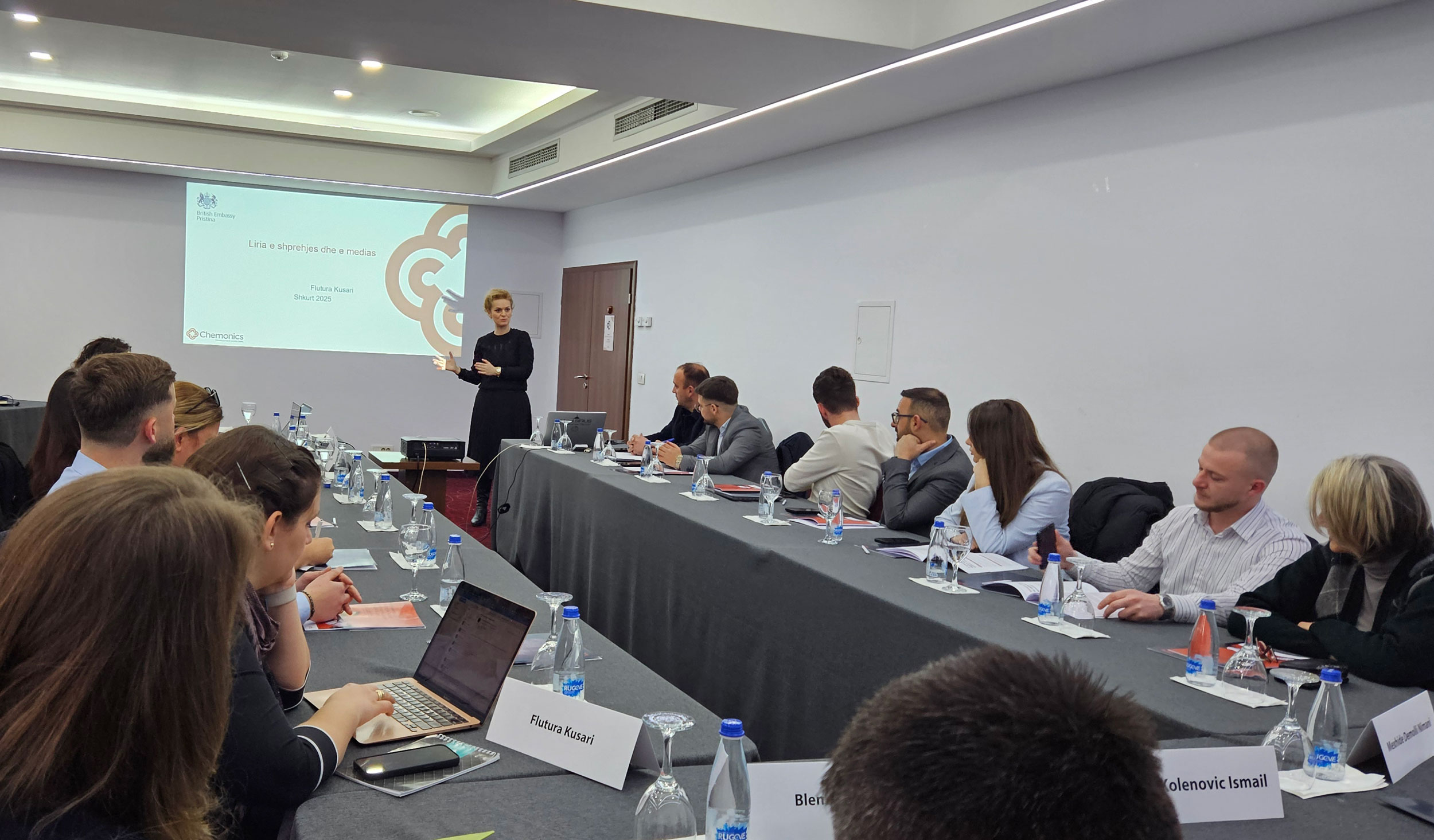
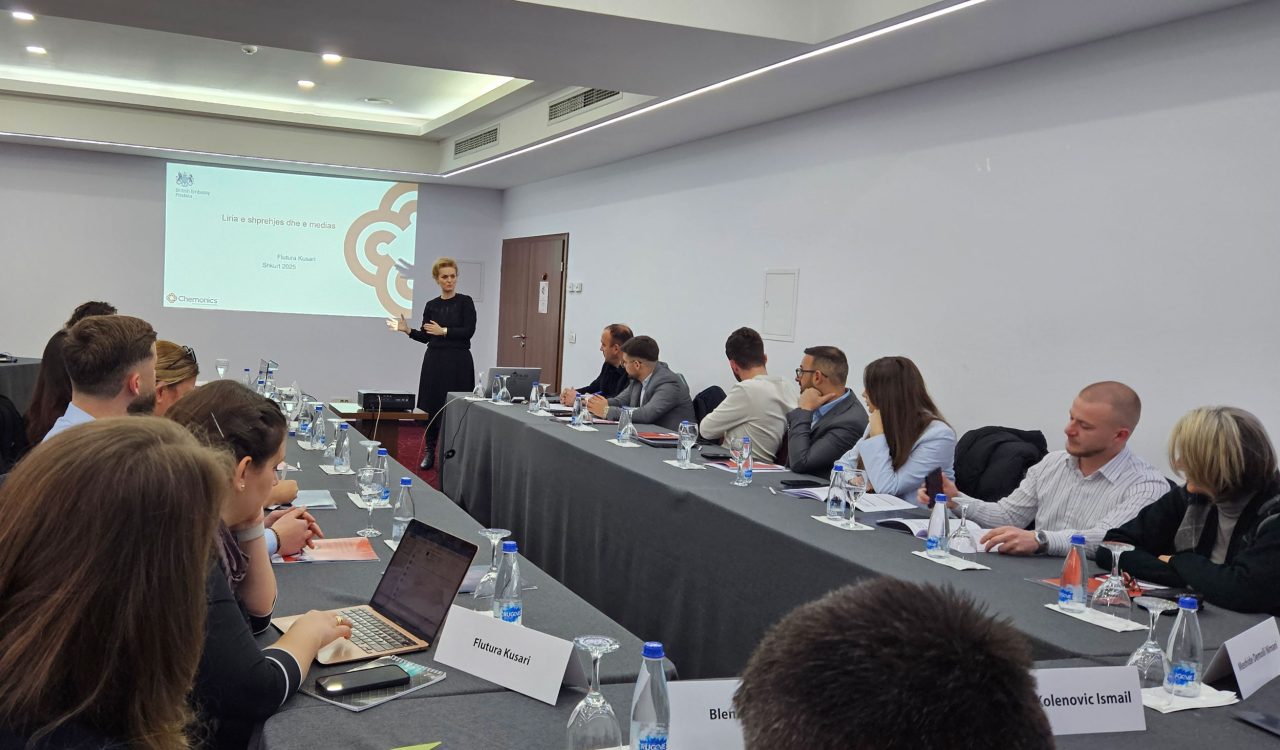
Prishtina, February 19, 2025 – The FOL Movement, contracted by the SLAPP Pilot Project in Kosovo—funded by the British Embassy in Pristina and implemented by Chemonics UK—in cooperation with AGK, is organizing a training session for representatives of civil society organizations and lawyers on “European Standards for Combating SLAPP Lawsuits.”
During the training, participants will gain insights into the latest European standards for addressing SLAPP (Strategic Lawsuits Against Public Participation) cases. The session will cover methods for identifying SLAPP lawsuits, which are often used as tools to intimidate and silence activists and journalists. Special emphasis will be placed on the impact of such lawsuits on women, people with disabilities, and other vulnerable groups, who are frequently targeted due to their public engagement and activism.
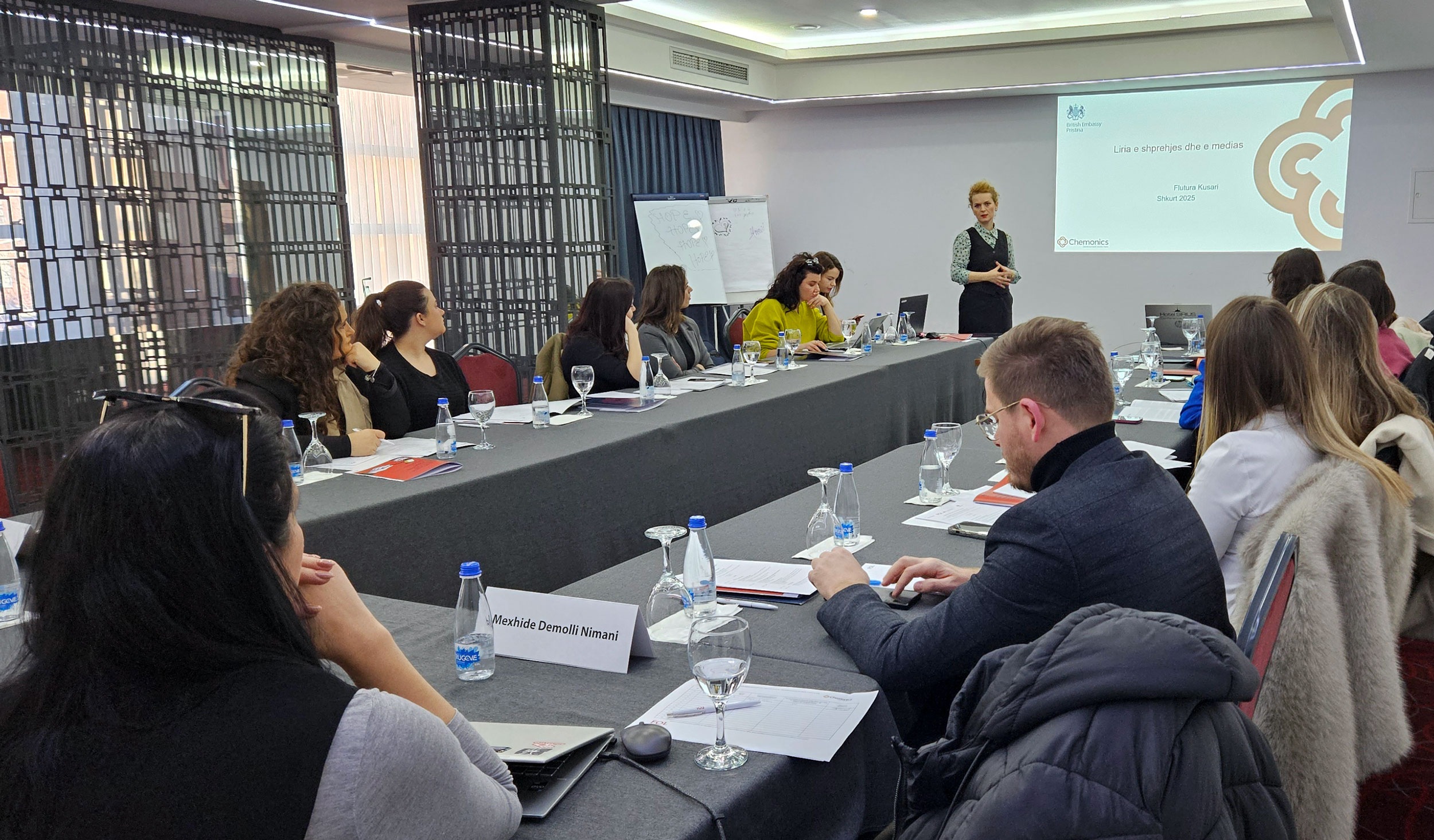
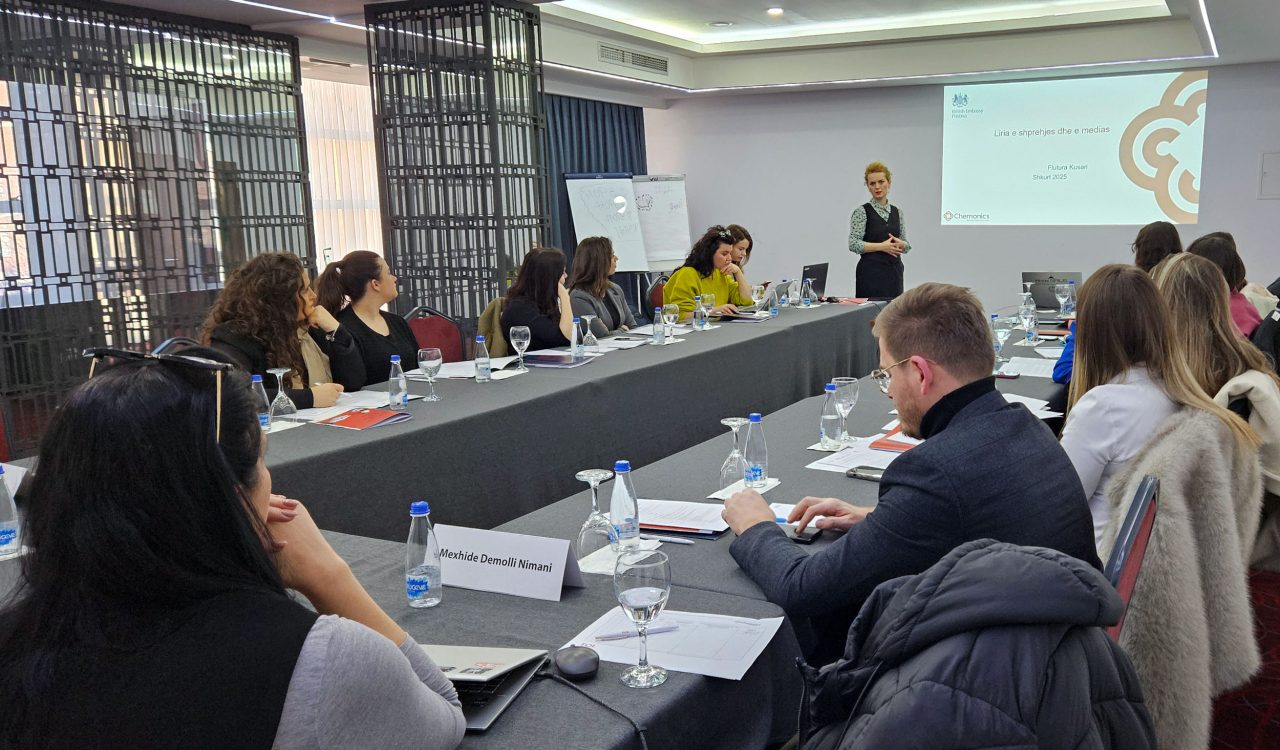
Prishtina, February 18, 2025 – The FOL Movement, contracted by the SLAPP Pilot Project in Kosovo—funded by the British Embassy in Pristina and implemented by Chemonics UK—in cooperation with AGK, is organizing a training session for journalists on “European Standards for Combating SLAPP Lawsuits.”
During the training, participants will gain insight into the latest standards for combating SLAPP (Strategic Lawsuits Against Public Participation) cases. The session will cover methods for identifying SLAPP lawsuits, which are often used as tools to intimidate and harass activists and journalists. Special emphasis will be placed on the impact of such lawsuits on women, people with disabilities, and other vulnerable groups, who are frequently targeted due to their public engagement and activism.
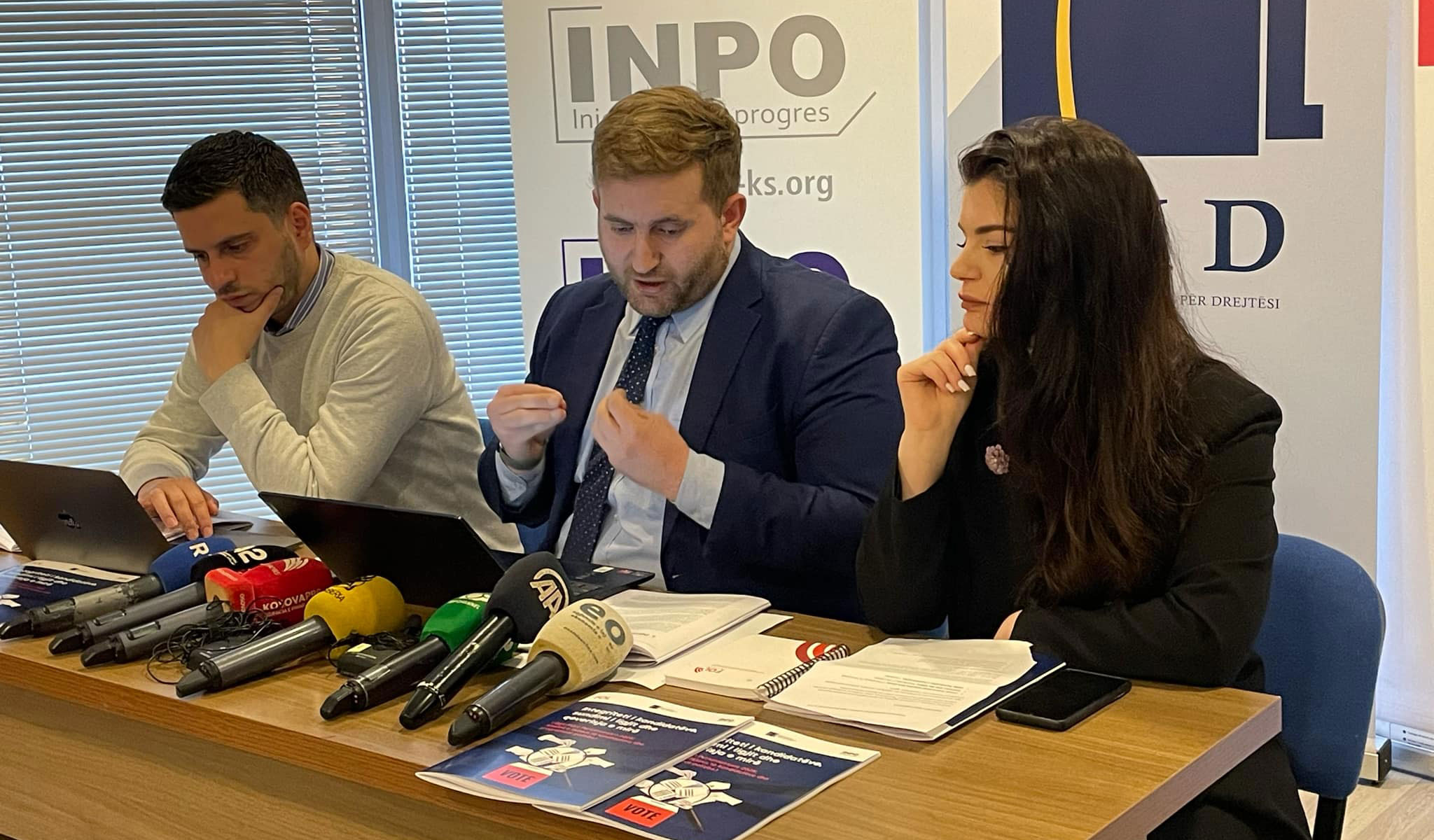

Prishtina, February 6, 2025 – The Kosovo Institute for Law (IKD), the FOL Movement and the Initiative for Progress (INPO), with the support of the Rockefeller Brothers Fund, through a press conference published the report “Candidate Integrity, Rule of Law and Good Governance”. This report presents an analysis of candidate lists and political programs for the general elections of February 9, 2025.
The presentation of this report was made by researchers Gzim Shala (IKD), Burbuqe Kastrati (FOL) and Arbër Kadriu (INPO), who presented the main findings of the analysis. The report addresses the main issues related to certified candidates for elections who have problems with the law, as well as a qualitative assessment of the political programs of certified entities, with a focus on the rule of law, good governance and human rights.
Regarding the lists of candidates who have problems with the law, in terms of active indictments and convictions, three political entities: 1) Vetëvendosje Movement; 2) AAK-Nisma coalition; and 3) Democratic League of Kosovo, have included in their lists a total of 23 candidates who have problems with the law, which constitute about 7% of their total candidates. Vetëvendosje Movement has the largest number with 14 candidates (12.72% of the list), while AAK-Nisma coalition has included eight candidates (7.27%), and LDK one candidate.
Of the 23 candidates for deputies with legal problems, 16 of them face active indictments, while eight have final convictions. In total, 20 indictments have been filed against these candidates for 21 criminal offenses, which include criminal offenses of corruption such as “abuse of official position or authority”, as well as other criminal offenses, such as the use of a weapon or dangerous instrument (nine cases), unauthorized possession of weapons (five cases), obstruction or assault of official persons and other criminal offenses.
Furthermore, the report emphasizes that the political parties’ programs on justice in the 2025 elections differ significantly in both their approach and level of seriousness.
The Vetëvendosje Movement addresses justice only on one page of its program and does not refer to the Rule of Law Strategy at all. It proposes the creation of a Family Court, a Specialized Prosecutor’s Office and an Office for Disciplinary Investigations, but without any in-depth analysis of their need and functionality. The lack of a detailed plan and the duplication of existing mechanisms make this program considered frivolous.
The report further states that the Democratic League of Kosovo addresses justice more broadly, including vetting, the integrity of the justice system, the restoration of the independence of the Free Legal Aid Agency, and the digitalization of services. However, its program is not based on detailed analysis and does not refer to the Rule of Law Strategy. Also, some proposals, such as strengthening the criteria for the bar exam and the selection of judges, remain unclear and without sufficient argumentation.
Meanwhile, the Democratic Party of Kosovo has included 14 points in its chapter on justice, emphasizing anti-corruption strategies and judicial system reform. This program does not mention the Rule of Law Strategy at all either. The program in question proposes the creation of a National Bureau of Investigation, but this institution represents a duplication of the competencies of the Special Prosecution and may create excessive oversight over the judicial system. The program also foresees the adoption of a National Strategy for War Crimes and the creation of a Labor Court, but without a clear argument for the need for such an institution.
Meanwhile, the AAK-Nisma coalition sets the rule of law as a top priority, but does not offer concrete proposals for its implementation. The program of the Coalition for the Family contains 15 points on justice, but without elaboration on their implementation, while some other parties, such as the New Democratic Initiative of Kosovo and the Fjala Party, address the rule of law in a very general manner and without concrete measures.
This report also addresses other issues from the electoral programs of the main parties for the 2025 elections. The report notes that these programs also address issues such as transparency, good governance, public administration, gender equality and human rights, but most of them do not provide clear details on the implementation mechanisms and financial sources of the proposed reforms. PDK and LDK emphasize transparency and digitalization, but do not provide clarification on how these reforms will be implemented. AAK promises economic development and salary increases in public administration, but without a clear plan for budgetary support. The Coalition for the Family and smaller parties, such as the Egyptian Liberal Party and PDAK-LPB, mention the topics of the rule of law and equality, but their programs remain general and without a specific strategy well-defined for implementation.
The report highlights that the Vetëvendosje Movement focuses mainly on infrastructure projects, while not including key topics such as public administration, transparency and accountability in its program. Reforming the administration system, which has been one of the most debated issues during the last mandate, is not addressed in its electoral program, while the non-implementation of the Judgment on the Law on Salaries in the Public Sector is not mentioned anywhere.
The full report can be found here
According to this report, in general, most electoral programs do not provide concrete measures to ensure a depoliticized and efficient public administration. Gender equality and human rights are mentioned in general terms, but without clear measures to address them in practice. Also, while some programs talk about the fight against corruption and the strengthening of independent institutions, details on concrete mechanisms to ensure accountability and clean governance are lacking. Thus, the report states that most electoral promises remain general and without a well-defined strategy for effective implementation.

Pristina, February 4, 2025 – The FOL Movement has published data from its Analysis of the Kosovo Government Program 2021-2025 and the Monitoring of the National Development Plan (NDP) for January-December 2024.
Burbuqe Kastrati, Project Manager at the FOL Movement, stated that FOL has monitored the activities outlined in the National Development Plan over the past four years.
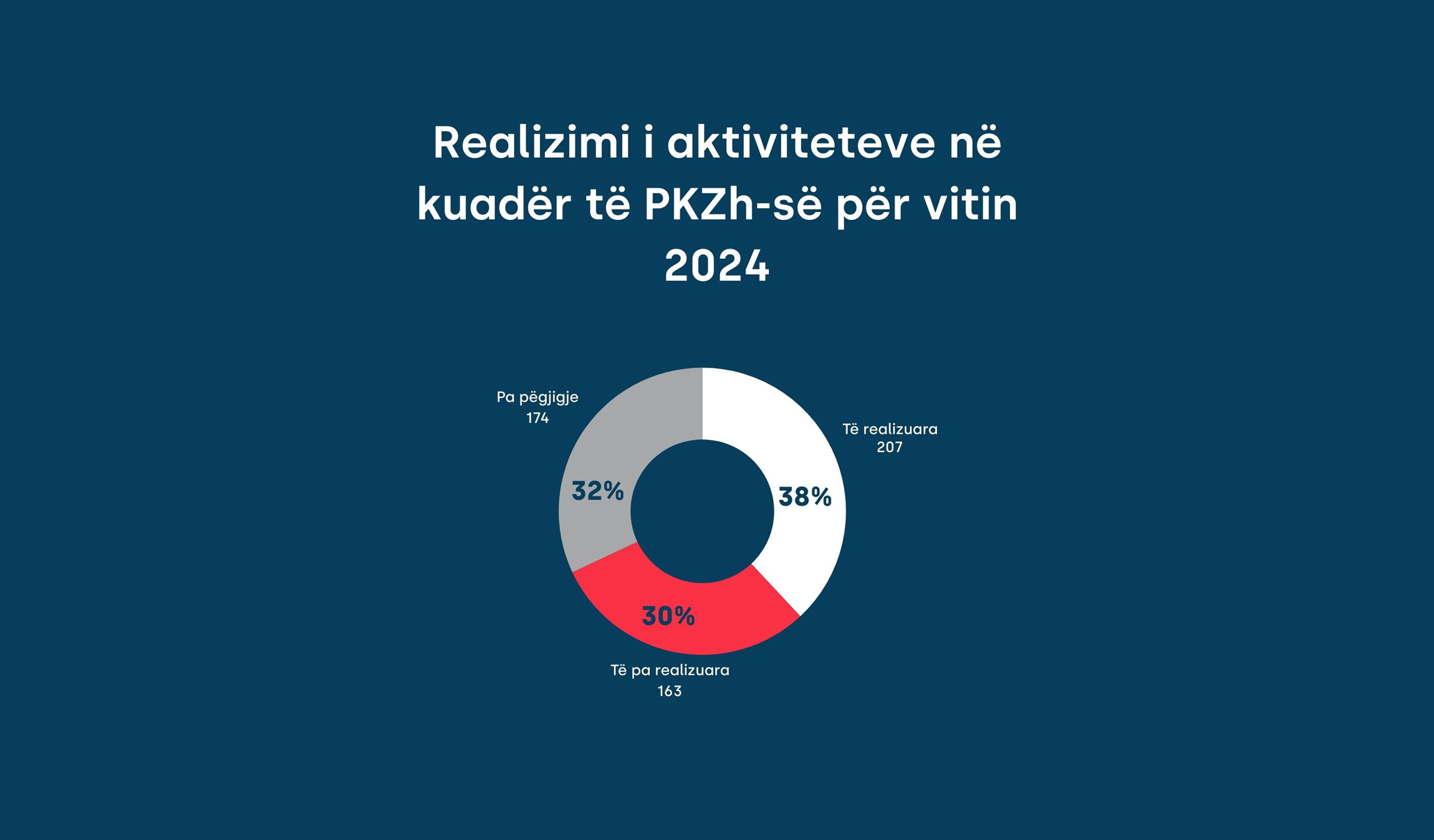
“Out of 544 planned activities for the period January-December 2024, the Government of Kosovo has successfully implemented only 207 (38%), while 163 (30%) remain unfulfilled. Additionally, 174 activities (32%) from three ministries—the Ministry of Environment, Spatial Planning and Infrastructure; the Ministry of Finance, Labor and Transfers; and the Ministry of Industry, Entrepreneurship and Trade—remain unaccounted for, as these ministries have not responded to our inquiries regarding their implementation,” Kastrati stated.
She also noted that two ministries—the Ministry of Foreign Affairs and Diaspora and the Ministry of Regional Development—did not plan any activities for the period January-December 2024. While some activities in the National Development Plan are set to be implemented over multiple years, FOL specifically monitored those scheduled for completion within 2024.
Kastrati presented the breakdown of implementation for each ministry:
Three ministries failed to respond to FOL’s inquiries, leaving their implementation status unknown:
FOL previously requested data from these ministries during the first six months of 2024 but did not receive a response. After filing a complaint with the Information and Privacy Agency (AIP), FOL obtained some responses, yet these ministries have again failed to provide updates. Consequently, FOL has submitted another complaint to AIP for lack of transparency regarding the implementation of the National Development Plan for 2024.
According to Kastrati, FOL has compared implementation rates from previous years:
These figures indicate a decline in government performance in executing its planned activities, with the highest level of implementation occurring in 2022.


Prishtina, February 4, 2025 – The FOL Movement has published an analysis of the Government Program of the Republic of Kosovo for the years 2021-2025.
Mexhide Demolli-Nimani, Director of the FOL Movement, stated that analyzing the four-year program was more feasible since the government completed its full mandate.
“As the first government to serve a full term since the declaration of independence, we have conducted a comprehensive analysis of its program, which was approved on May 7, 2021. This program outlined an ambitious vision for Kosovo’s economic, social, and institutional development. However, its implementation has faced significant challenges that have hindered the achievement of key objectives. The primary obstacles include delays in policy adoption, legislative shortcomings, and a lack of inter-institutional coordination,” she said.
The Government Program had two key priorities at the time: managing the COVID-19 pandemic and economic recovery. Additionally, it was structured into 18 sectoral priorities, including Public Health and Social Protection, Rule of Law, Public Order and Security, Governance, Human Rights and Gender Equality, and the Promotion and Protection of Community Rights, among others.
According to Demolli-Nimani, the implementation of the program required legal reforms as a preliminary step. However, one of the most persistent issues was delays in the adoption and enforcement of laws. “A significant number of draft laws passed by the Assembly of Kosovo were contested for procedural violations and referred to the Constitutional Court. For instance, in December 2024, a group of deputies submitted 16 draft laws to the Constitutional Court, accusing the government of failing to follow legal procedures,” she added.

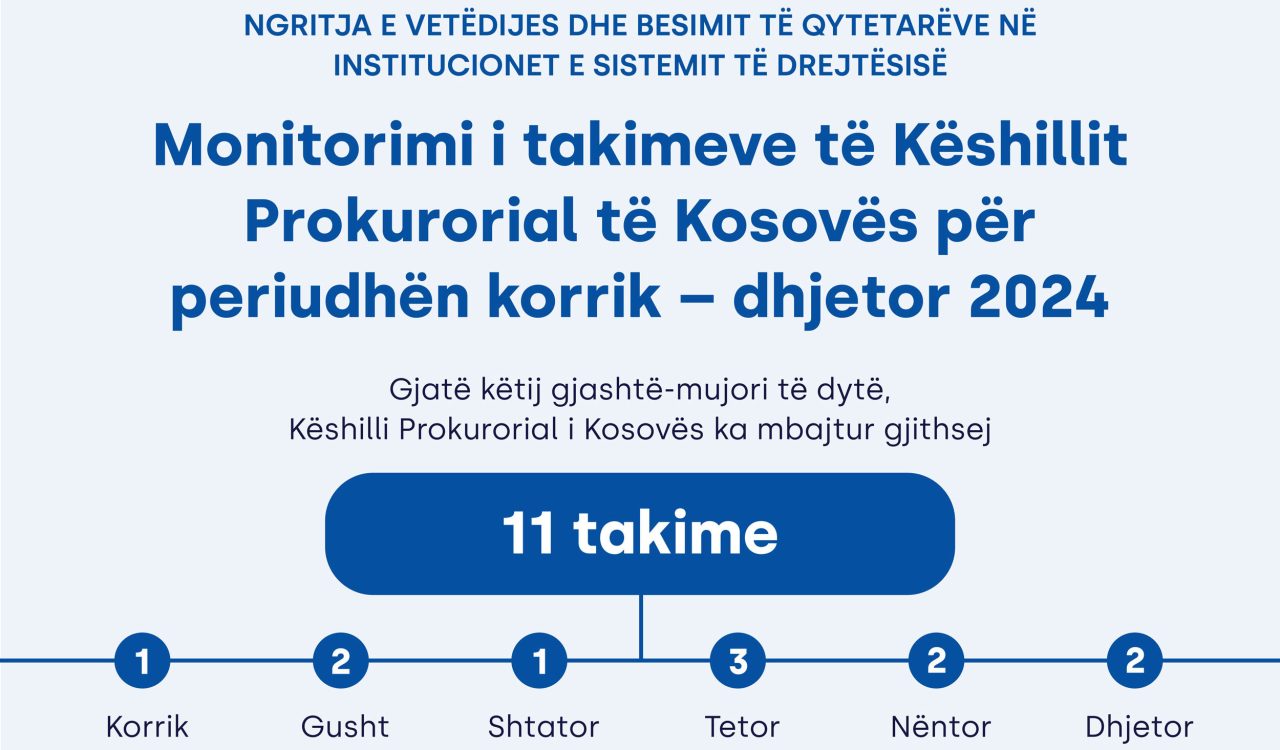
The FOL Movement, within the framework of the project ‘Raising awareness and trust of citizens in the institutions of the justice system”, in partnership with the Center for Advanced Studies (FIT), supported by the European Union, has continued to monitor the meetings of the Kosovo Prosecutorial Council, where it has published infographics on the monitoring period July – December 2024.
During the second six-month period, the Kosovo Prosecutorial Council has held a total of 11 meetings. Out of the 11 agendas published on the official website of the Kosovo Prosecutorial Council, 8 of them have managed to be published within the time stipulated by the Law on the
Kosovo Prosecutorial Council, specifically with Article 14, paragraph 2, which requires that ”The agenda of the Kosovo Prosecutorial Council must be made public at least forty-eight (48) hours before the meeting.
Out of the 11 meetings held, 9 agendas have been published in Albanian and 9 agendas have been published in Serbian. Meanwhile, two agendas were not published at all in either of the official languages.
During this monitoring period, 12 agenda items of the meetings held were closed to the public.


Within the framework of the project “Raising awareness and trust of citizens in the institutions of the justice system”, supported by the European Union and in partnership with the Center for Advanced Studies FIT, the FOL Movement has continued to monitor the meetings of the Kosovo Judicial Council (KJC) for the period July – December 2024.
During this monitoring period, the KJC has held a total of 11 meetings. Out of the 11 agendas published on the official website of the KJC, 10 of them have been published within the time stipulated by the Law on the Judicial Council, specifically according to Article 14, paragraph 2, which requires that “The agenda of the Council must be made public at least forty-eight (48) hours before the meeting.” While one agenda has failed to be published within the stipulated time.
Of the 11 meetings held, the KJC has published the agendas in both official languages. During this monitoring period, 20 agenda items of the meetings held were kept closed to the public.
Regarding the composition of the Judicial Council, until August 7, 2024, the KJC had 12 members. However, since August, the KJC member from the Serbian community has resigned from her position, and since then, the KJC has been composed of 11 members. For more details, see our infographics here.


Within the framework of the project “Raising awareness and trust of citizens in the institutions of the justice system”, supported by the European Union and in partnership with the Center for Advanced Studies (FIT), the FOL Movement has continued monitoring disciplinary complaints against judges.
During the period July – December 2024, the Investigative Committees of the Kosovo Judicial Council have issued 3 decisions for disciplinary violations against judges.
During the period July – December 2024, the Investigative Committees of the Kosovo Prosecutorial Council have issued 3 decisions for disciplinary violations against prosecutors, which have been public written remarks.

Prishtina, January 17, 2025
Through this reaction, we strongly condemn the politically motivated actions to interfere with the independence of state institutions, namely the dangerous and illegal initiatives aimed at changing the leadership structures of the Independent Media Commission (IMC) before the end of their legal mandates, through amendments to the current Rules of Procedure of the IMC.
During today’s meeting of the IMC, the members of this institution illegally approved the amendment to the Rules of Procedure, enabling the election of the Chairman and Vice-Chairman of the IMC within one month before the end of their legal mandates. This act was undertaken without going through the public consultation process, thus violating Article 8 of the Law on the Independent Media Commission, which requires citizen involvement in the amendments to the by-laws.
After amending this regulation, the members of the IMC changed the current leadership structures of the IMC, in violation of legal procedures, creating a dangerous precedent aimed at political capture of independent institutions, violating the fundamental principles of democracy and the rule of law.
Furthermore, the Assembly of Kosovo failed to elect the members of the IMC Board in a timely manner before the start of the election campaign, leaving this board incomplete and hindering the normal functioning of this institution in this critical period. Such delays have directly impacted the efficient functioning of the IMC, and consequently, it has become difficult to supervise the media and maintain a fair and impartial media climate during this important political period.
The IMC, as an independent body, has the mission of ensuring a fair, open and equitable system for regulating media services, guaranteeing accurate and impartial information to citizens. Attempts to instrumentalize this institution in the service of political interests seriously undermine its independence and place it under direct political control, jeopardizing its oversight and transparency role.
These actions represent a clear attempt to “capture” one of the main pillars of a functioning democracy – free and independent media. Any attempt to politicize the IMC is an attack not only on this institution, but also on the right of citizens to be informed freely and impartially. This violates freedom of expression and creates an atmosphere of fear and self-censorship in the media sector, seriously damaging public trust in the integrity of the media and in democratic processes.
Preserving media freedom is one of the main pillars of democracy, and any attempt to weaken it should be treated as a serious threat to the country’s very democratic future.

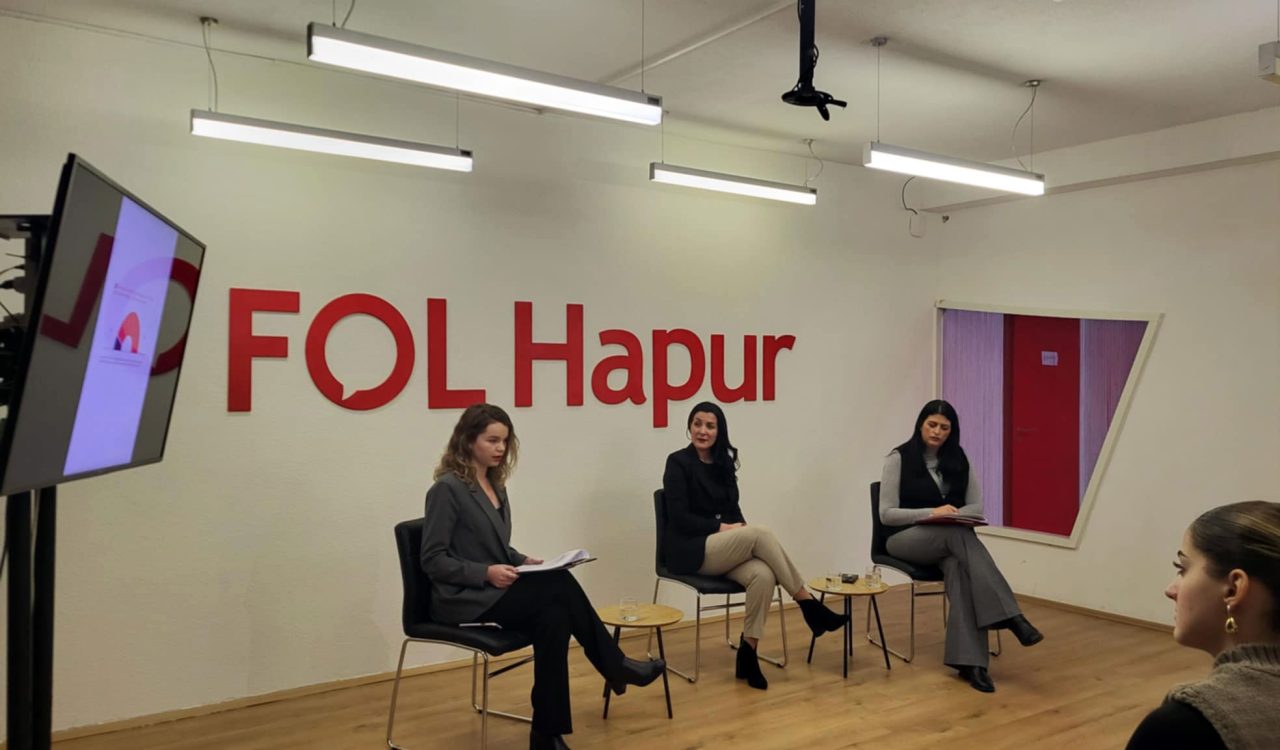
Prishtina, December 24, 2024 – The FOL Movement held today a “FOL Hapur-Open Discussion” discussion on the implementation of the Law on Personal Data Protection with the Commissioner of the Information and Privacy Agency, Ms. Krenare Sogojeva – Dermaku, where they discussed the challenges and shortcomings in the implementation of the Law on Personal Data Protection.
During this discussion, the findings of the research report “Level of Implementation of the Law on Personal Data Protection – Report on Survey Results” were also presented, which provides an overview of the current situation and recommendations for improving data protection in public institutions.
The report highlighted a number of shortcomings in the implementation of the Law on Personal Data Protection, starting from the lack of drafting privacy policies by public institutions; the lack of regulations on security measures and protection of personal data; the lack of specific protocols for the management of sensitive data; the lack of defined periods for the retention of personal data, and many other issues.
Prishtina, 12/10/2024
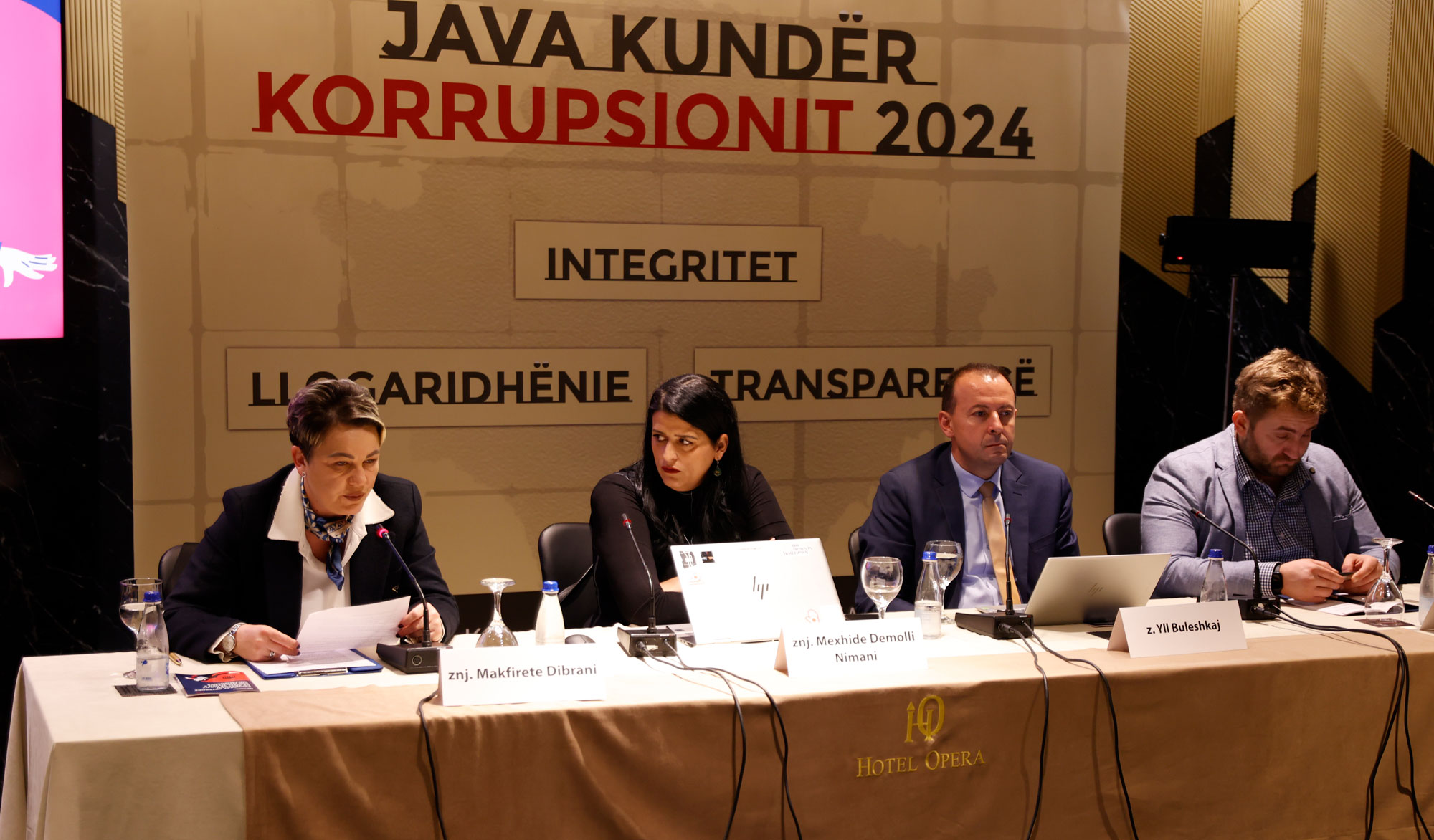
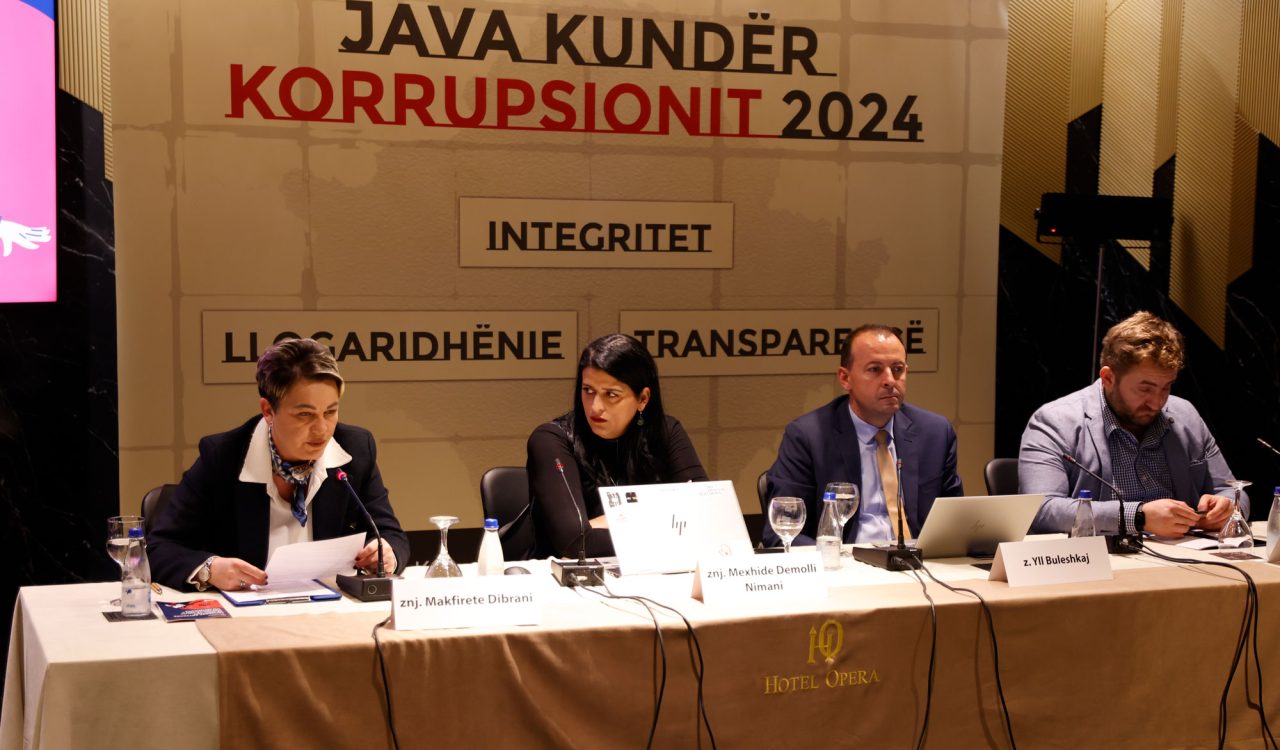
The FOL Movement, within the framework of the Anti-Corruption Week, organized an important roundtable discussion on the topic: “Whistleblowers from a Practical Perspective”, where the challenges and difficulties faced by whistleblowers, as well as their essential role in the fight against corruption, were addressed.
The Director of the FOL Movement, Ms. Mexhide Demolli-Nimani, who moderated the discussion, said that whistleblowing as a powerful mechanism for combating corruption and for reporting other illegal acts and actions, is particularly important in a society where citizens’ trust in public institutions is weak and is constantly challenged. According to her, the act of whistleblowing becomes a courageous act and a means to challenge injustices, contributing to the protection of the public interest and the fight against abuses.
“Whistleblowing does not only represent an act of reporting; he is a courageous voice for building a system that respects democratic values and the rule of law. Whistleblowers, who often take risks to denounce abuses and misuses, as well as withstand great pressures, are those individuals who refuse to remain silent in the face of misuses and act as guardians of the public interest”, said Ms. Demolli-Nimani.
In this discussion, Ms. Makfirete Dibrani, Head of the Regional River Basin Authority (ARPL), revealed for the first time her story about the whistleblowing she made about the millions of euros of misuses in this ministry, sharing her experience in reporting misuses related to the forgiveness of debts of water bottlers by the Ministry of Environment and Spatial Planning.
Ms. Dibrani highlighted the challenges and difficulties she faced during the whistleblowing process, as well as the consequences suffered after denouncing this case. She shared the assessment of the importance of legal protection for whistleblowers and the need to provide institutional support for those who denounce abuses and corruption.
Speaking about the consequences of her reporting, she said, among other things, “It was not an easy path at all, because I dared to denounce the misuse of citizens’ taxes. I began to experience extraordinary pressure to intervene in the decision-making process. I faced disciplinary committees, with written warnings from the person who is in detention because of my denunciation. These attempts to remove and discredit me did not end there. It was a period filled with stress to protect not only my personal integrity. I faced all of this to stop public abuses.”
Ms. Dibrani also spoke about the threats and sabotage she had suffered from her superiors, as a result of reporting. “One of the most obvious forms of discrimination was my exclusion from study visits inside and outside the country and other issues to sabotage my professional development. The leader who abused public taxes had obliged my colleagues to ignore me. This was a way to get me out of the job, but I remained steadfast,” she said.
She also said that she is proud that she did not give in to the difficulties and pressure. She also called for the protection of whistleblowers, who do not ask for privileges but only the protection provided by the law.
Finally, Ms. Dibrani publicly signaled another issue within the ministry. “I will also report on the cleaning of water beds and capital projects that have been awarded recently. Both projects are divided into 2 million and 4 hundred thousand euros, many thousands of times more expensive than Croatia.” According to her, we dare to make such concessions.
The Director of the Agency for the Prevention of Corruption, Mr. Yll Buleshkaj, said that we have officials of the institutions who are responsible for handling whistleblowers, as well as officials of the agency.
“Whistleblowing is considered an individual courage, and moreover it is an action that serves the collective interest. In this way we call on everyone not to be just listeners and discussants, but to participate in reporting. Citizens’ trust in institutions is not gained only through words, but also through deeds. The implementation of legislation, regardless of whether it is the best in the world, seems to lack the context of Kosovo’s circumstances. We have practical problems in its implementation,” said Buleshkaj.
Gzim Shala, senior researcher at the Kosovo Law Institute, said that if a government, an institution or an enterprise truly has the primary goal of fighting corruption, it will see whistleblowers as useful and not as enemies of the institution.
“The need for political will to protect whistleblowers. The level of political will to protect whistleblowers is equivalent to the level that a government, a certain institution has to fight corruption. If a government, an institution, an enterprise truly has the primary goal of fighting corruption, it will naturally see whistleblowers as useful and not as enemies of the institution”, said Shala.
At this roundtable, FOL also published the Brochure “Obstacles to the Effective Implementation of the Whistleblower Protection Law”, which contains FOL’s activities in advocating for the implementation of this law, as well as the main challenges and obstacles to the implementation of this law, encountered by FOL during this monitoring.