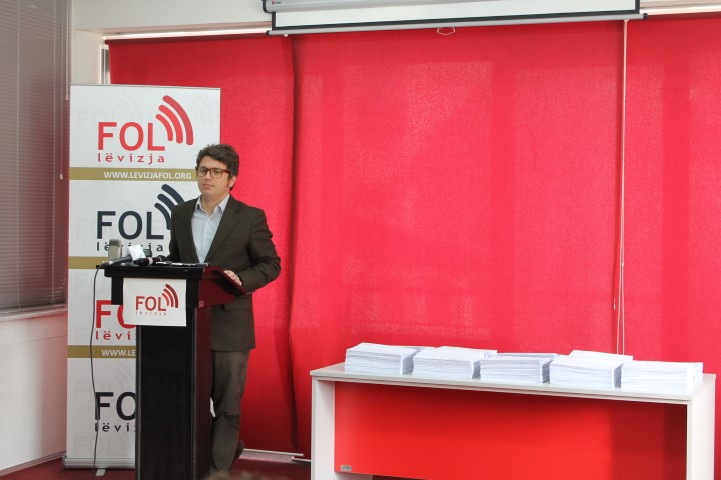
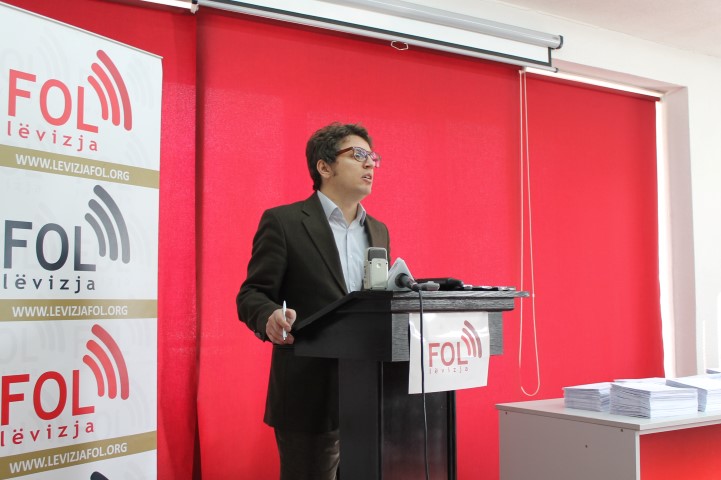
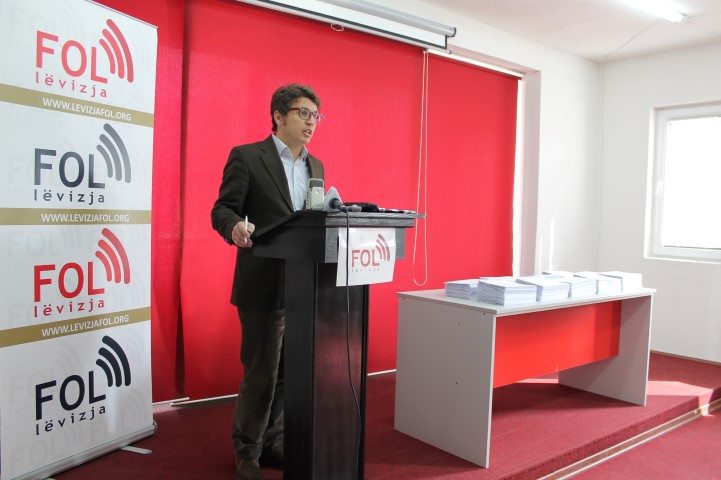
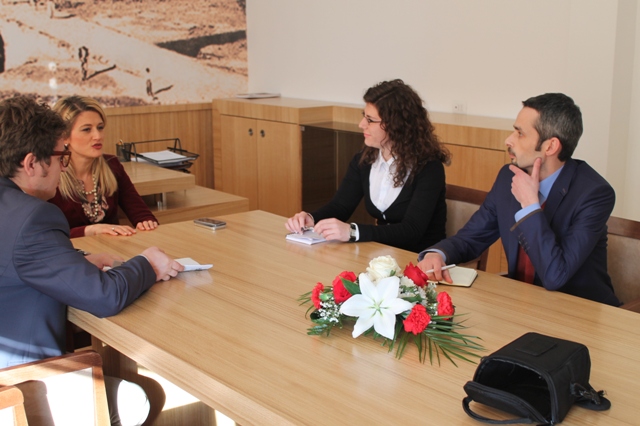
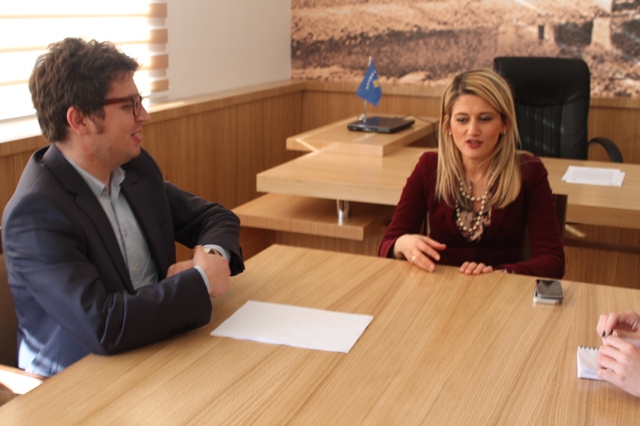
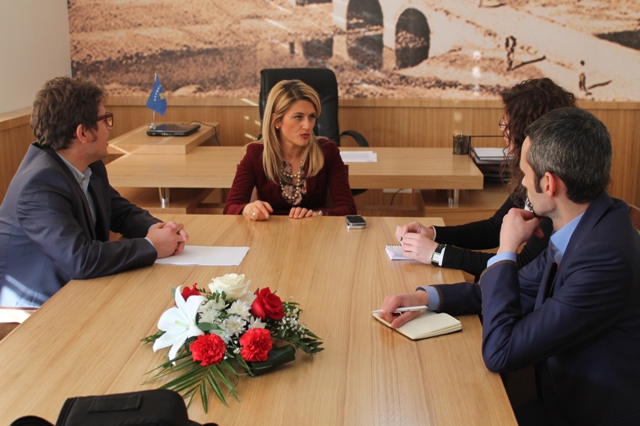
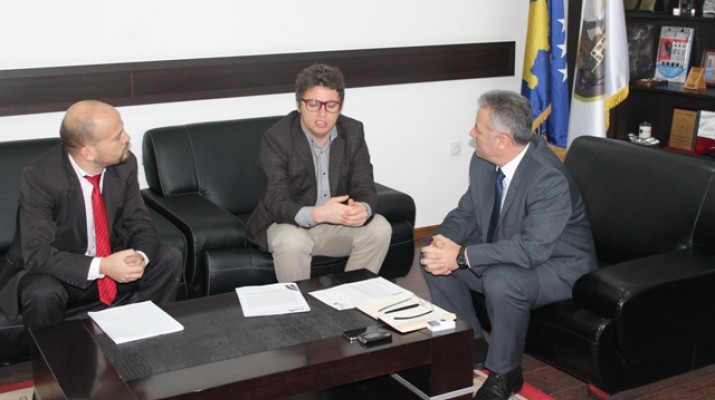
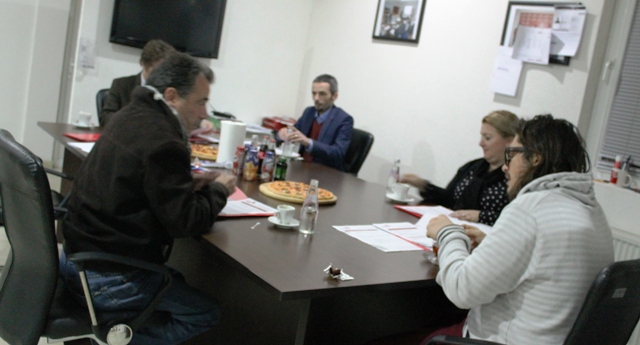
Public consultation on Open Government Partnership in Peja Municipality

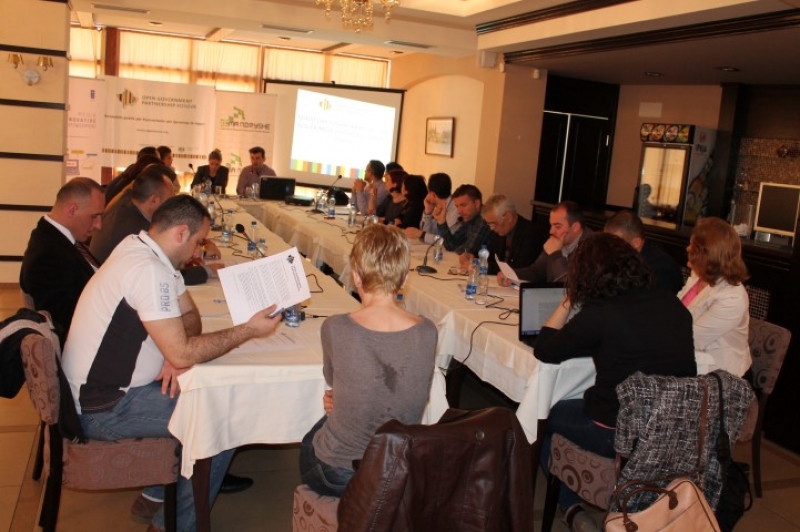
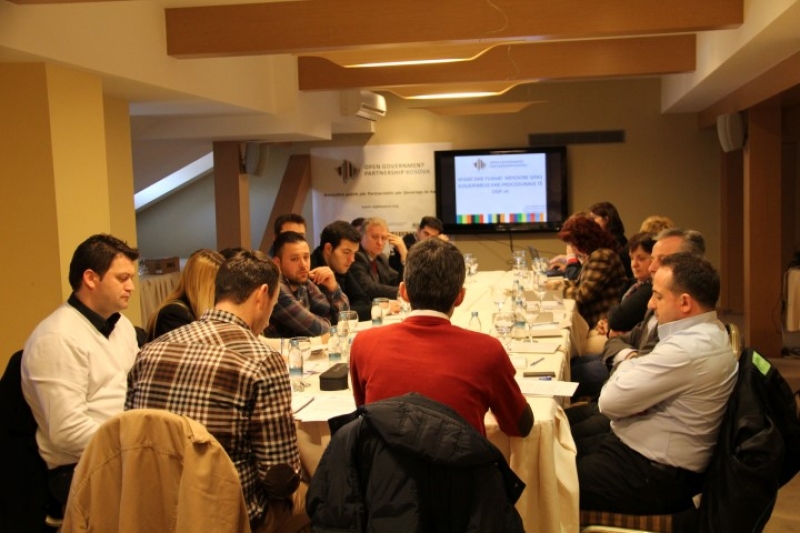
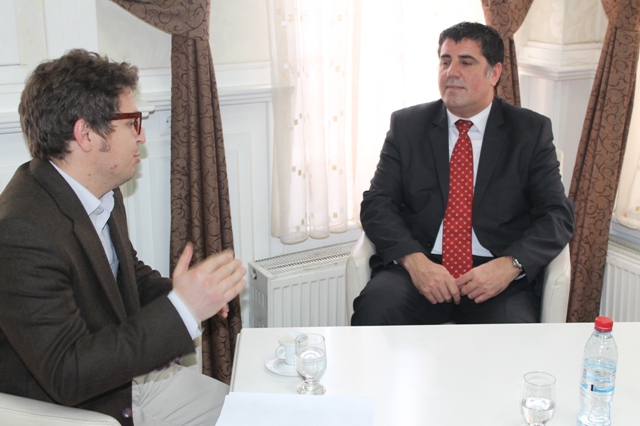
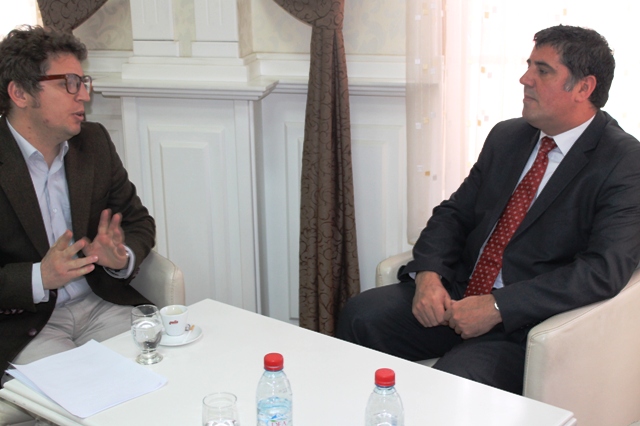
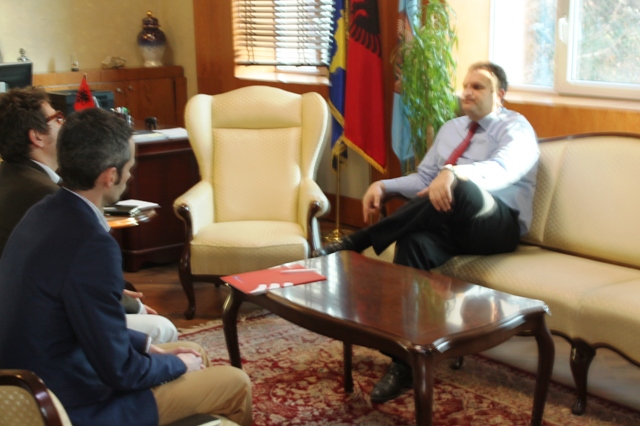
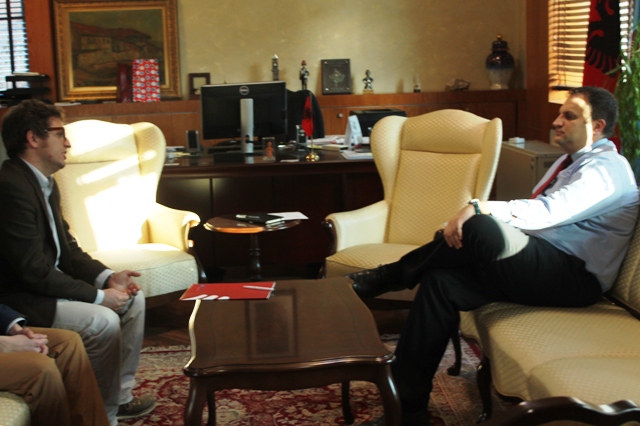
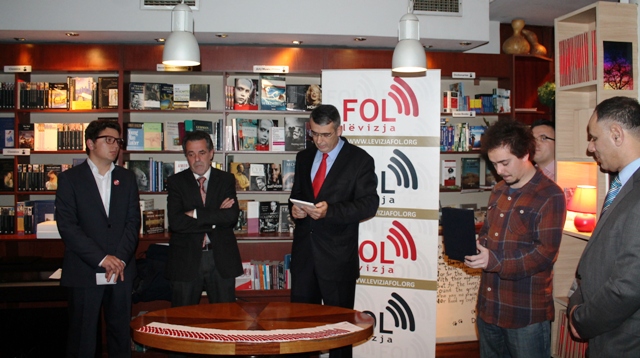
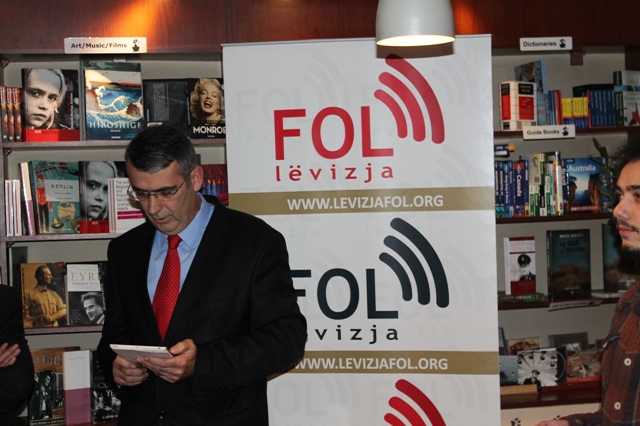
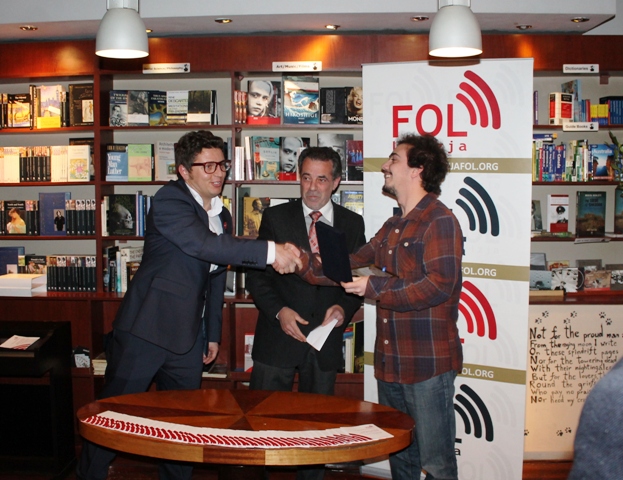
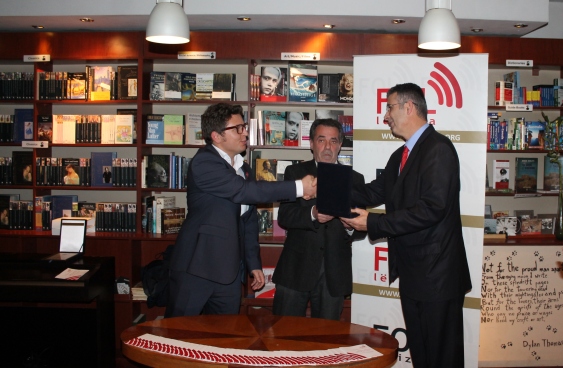
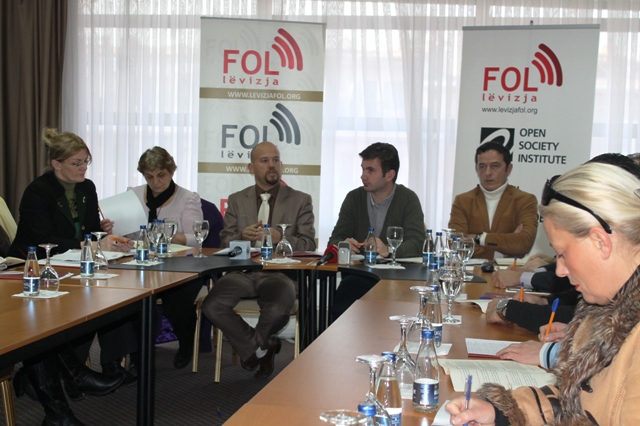
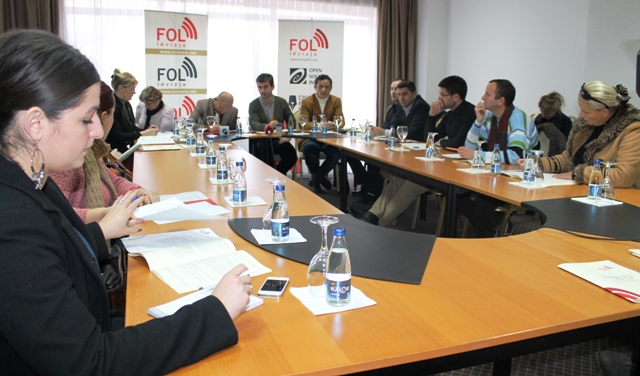
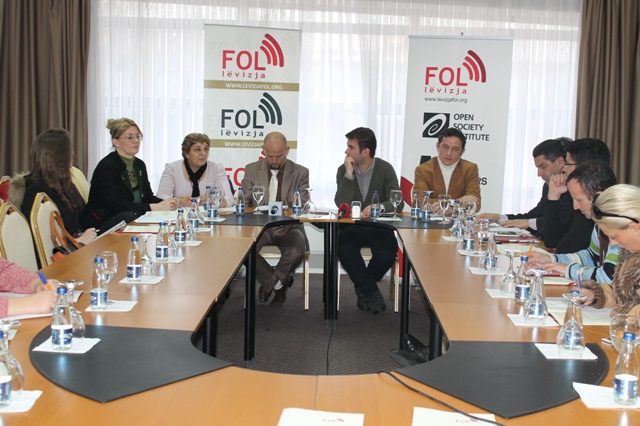
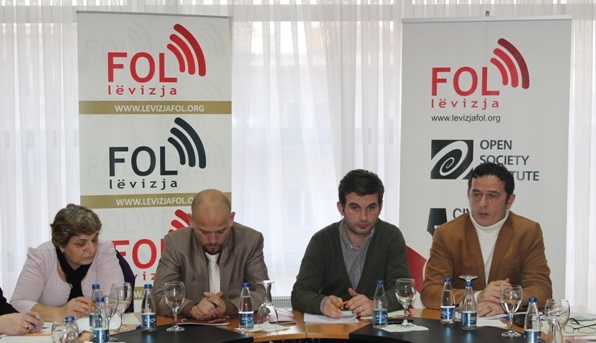
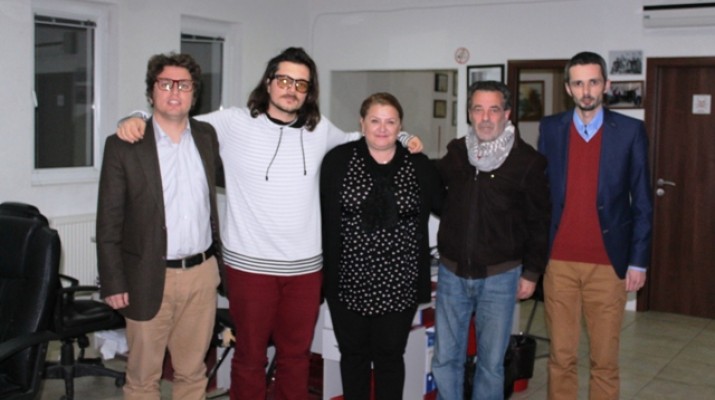
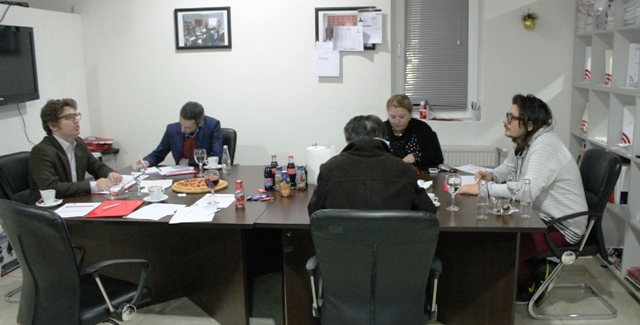
Peja, March 12, 2014 – FOL Movement in cooperation with Syri i Vizionit in Peja, as a member of the Coordination Group for Kosovo’s membership in international organization for the Open Government Partnership, organized a public consultation today in Peja Municipality in order to draft the National Action Plan 2014-2016. This event was attended by representatives of local institutions, civil society, media and interested citizens
Naser Lajqi, from Syri i VIzionit, after a brief introduction of the history of the establishment of Open Government Partnership – OGP (for more information please see OGP background: http://www.ogpkosova.org/what-does -open-government-mean /), said that they have supported this initiative. He said that through this debate today, we are trying to identify the problems faced by the citizens of Peja and Kosovo as well regarding the access to public institutions. According to him this public consultation campaign will help the inclusion of all interested parties in this process and also proposing concrete actions which will be part of the Kosovo National Action Plan.

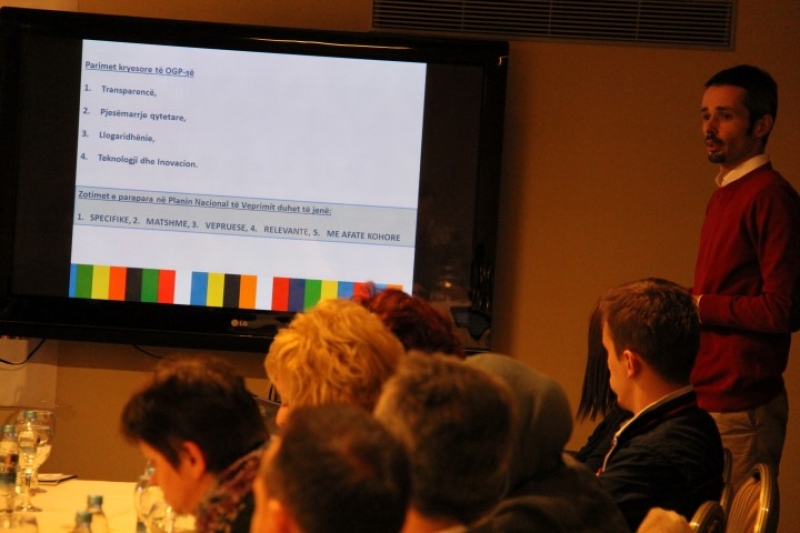
Fidan Kalaja from FOL Movement, briefly presented the steps that have been taken and have to be taken from Kosovo in order to become a member of the in the Open Government Partnership. He mentioned that the Coordination Group is established which consists of representatives of civil society, institutions and private sector representatives, whose mission is drafting the Kosovo National Action Plan. He said the Coordinating Group has decided that the plan focuses on four main challenges anticipated and suggested by OGP, that is: Improving public services, Increasing public integrity, more efficient public resources management and Increasing corporate accountability.
Samir Lleshi from Kosovo Chamber of Commerce said the corporations corruption allegations, have the origin in Procurement Law, where despite the insistence of KCC two years from now to have an online procurement, nothing is done in this regard.

Mevylde Idrizi,, a municipal assembly member in the municipality of Peja ( working in the company ‘ Hidrodrini’ – Peja ) , said they needed essential changes , because those areas that were defined regarding public enterprises were far from implementation . “In public enterprise the transparency does not exist, citizen participation never was active, neither for any regulatory plan nor for a request for access to public documents . Managerial staff never gives accountability even I was a municipal assembly member I didn’t have access to public documents”. She said that her insistence resulted with threats of dismissing her from her job. Correct management and various documents open to the public would help workers to be informed of their rights they have. Also Mrs. Idrizi suggested that within the National Action Plan should be provided the preparation and implementation of systematization of jobs for all the levels of administration .

Gazmend Shabaj a municipal assembly member said that a great deal of the laws that they had today, happens very often that many articles contradict each other, changes should start from there. At the same time citizens should be aware regarding their duties toward the country, considering that very few pay property taxes, electricity or water fees. According to him, the use of technology in publication of vacancies, contracts, and many other issues would affect a lot for better in this regard.

Islam Husaj, the chairman of Peja Municipal Assembly, said that there are many laws that should be amended, especially the Law on Local Self-Government and the Law on Public Procurement . It is a practice in all Kosovo that Municipal Assembly serves the mayor, so he is given so much power that he himself can take any decision. This law should be amended also regarding the criteria for selection of municipal directors, and not be a competence of the mayor. Regarding transparency, Husaj said that very few articles are posted on the web site of the municipality. We should be in the service of citizens, we must organize also the consulting sessions with citizens to inform them of the rights they have. Citizens should be informed about any actions of the Municipal Assembly . Mr . Husaj said he agrees that the systematization of jobs is essential for transparent, accountable and effective institutions. His recommendations were that the disputed laws should be amended, provide finances , provide a supervising mechanism and drafting the regulations for systematization of jobs .

Activity Gallery

Public consultation on Open Government Partnership in Peja Municipality3Public consultation on Open Government Partnership in Peja Municipality2Public consultation on Open Government Partnership in Peja Municipality

Public consultation on Open Government Partnership in Ferizaj Municipality

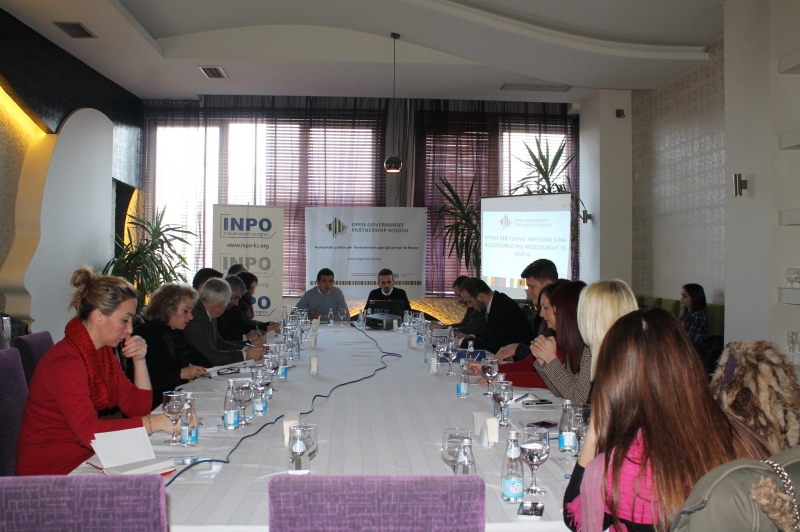
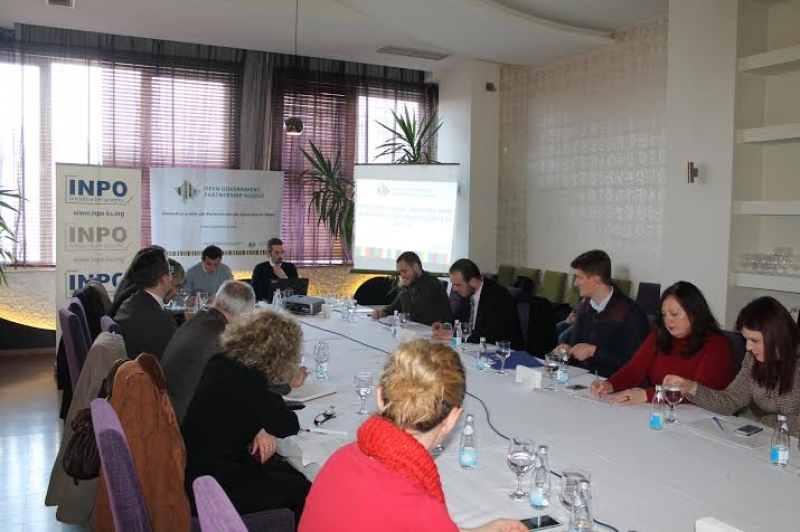
Ferizaj, March 11, 2014 – FOL Movement in cooperation with Initiative for Progress – INPO, as a member of the Coordination Group for Kosovo’s membership in international organization for the Open Government Partnership, organized a public consultation today in Frizaj Municipality in order to draft the National Action Plan 2014-2016. This event was attended by representatives of local institutions, civil society, media and interested citizens.

According to organizers, this public consultation campaign will help to increase the inclusion of all interested parties in this process and also proposal of concrete activities, which will be included in the National Action Plan of the Republic of Kosovo.
Samir Reka, Executive Director of INPO, after a brief introduction of the history of the establishment of Open Government Partnership – OGP (for more information please see OGP background: http://www.ogpkosova.org/what-does -open-government-mean /), said that they have supported this initiative. He said that “through this debate today, we are trying to identify the problems faced by the citizens of Ferizaj and Kosovo as well regarding the access to public institutions. Samir Reka from INPO also emphasized that apart from identification we will try to identify and propose actions and mechanisms that may change the situation and improve the function of the institutions and improve public services.

Fidan Kalaja from FOL Movement, briefly presented the steps that have been taken and have to be taken from Kosovo in order to become a member of the in the Open Government Partnership. He mentioned that the Coordination Group is established which consists of representatives of civil society, institutions and private sector representatives, whose mission is drafting the Kosovo National Action Plan. He said the Coordinating Group has decided that the plan focuses on four main challenges anticipated and suggested by OGP, that is: Improving public services, Increasing public integrity, more efficient public resources management and Increasing corporate accountability.
Faruk Guri , a municipal assembly member said the main weakness regarding the function of public institutions was the lack of inter-institutional transparency and accountability and to public as well. He mentioned various instances of such cases and proposed that in case of major capital projects there should be transparency regarding the realization of those projects.

Albion Sherifi from NGO “NA” in Ferizaj said that regarding specific actions that are to be included in the National Action Plan should be: improving access to public documents, the advancement of plans for local transparency, online database through which municipal expenditure will be published weekly and regarding citizens engagement in decision-making, local institutions should organize a campaign identifying citizens needs by drafting specific documents regarding these needs.
Samir Reka from INPO during the debate stressed the need that all vacancies, applicants lists for certain positions, their selection process be open and transparent to the public including the education system, health and civil staff in public institutions.

Visar Demiri, a municipal assembly member emphasized the need for professional advancement of municipal administrations in order to use the technology providing various services such as basic online documents application form.
Bashkim Fazliu, a municipal assembly member stressed the importance of innovation, considering it as a priority that should be in the National Action Plan.

The Director of Infrastructure Department in Ferizaj Municipaliti, Mr. Gafur Ilazi stressed the need for compiling the list, which clearly specifies which documents can be accessible to the public and all other documents that are considered as classified documents in order to avoid confusion and efficiency of institutions in response to different requests.

Activity Gallery

Public consultation on Open Government Partnership in Ferizaj MunicipalityPublic consultation on Open Government Partnership in Ferizaj Municipality2

Only 45% of the property tax bill paid

Prishtina, March 3 – FOL Movement, today published the analytical report “Property tax in Kosovo municipalities.” In this report was analyzed the rate of the collection of property tax billed by Kosovo municipalities and the importance of this collection for municipalities financial sustainability.

Kenan Tora from FOL Movement said that “the report was compiled based on the data of collection of property tax billed, provided by municipalities upon the request in advance of FOL. The goal of this report is to present a real picture of collection of property tax billed by municipalities. “FOL sent the request to access these data to 34 municipalities, but only 26 of them provided the data and four other municipalities provided the data in a format which was not proper for analysis. Municipalities that did not respond to the request of FOL Movement for public documents access are : the Municipality of Prizren , Deqan , Klina , Lipjan , Shterpce , Kllokot , Mamusha and Partesh . FOL Movement filed a complaint at office of the Ombudsman for declining their request by these municipalities for public documents access. FOL will continue with other legal proceedings to realize the right of public documents access.

Kenan Tora also stated that “the property tax is one of the most important sources of municipalities own income, which are specified in Article 8 of the Law on Local Self-Government as financial resources that should be provided to municipalities for providing services to citizens. ” Based on the findings of the report , in the sense of rate, own income historically consisted about 17% of total municipal income every year. Regarding own income , property tax is the most important which consists about 30% of the income. Property tax billed represents about 4 % of the total budget of the municipalities that we analyzed in this report. Regarding the overview of the property tax bill, based on the data provided for 2012 by 22 municipalities, 80% of the invoiced value refers to property taxes for the respective year. The rest includes charging interest because of failing to pay the previous years’ taxes (15 % of the bill amount) and penalties for failing to pay the property tax within the due date for previous years (5 % of the bill amount) .

The analyzed data shows that 69.22% of the bill amount is collected. However, according to Kenan Tora “this overview may not be correct, since this collection includes all collections including the collections of old debts, penalties and interest.” After the analysis, we noted that only 52% of the amount collected has to do with the payment of property taxes during the current year (2012), while 48% of the payments collected by municipalities in terms of property tax payments is related to old debt (38%), payment of interest (7%) and penalties (3%).
Another problematic issue is that the property tax amount collected for the current year (2012) without penalties and interest is only 45% of the property tax bill for 2012, collected by analyzed municipalities. This represents a very important issue, as a collection rate below 50% of the property tax bill for a relevant year means the total debt on the property tax increases every year for over 50% of the bill amount.

Activity Gallery

Vetem 45 perqind e tatimit te faturuar në pronë paguhet

Vetem 45 perqind e tatimit te faturuar në pronë paguhet2

Vetem 45 perqind e tatimit te faturuar në pronë paguhet3

PROPERTY TAXES IN KOSOVO MUNICIPALITIES

Analytical report on the importance and success of roperty taxes collection in Kosovo municipalities

 
PROPERTY TAXES IN KOSOVO MUNICIPALITIES

Movement FOL and Prishtina Municipality signed a Memorandum of Understanding for procurement monitoring

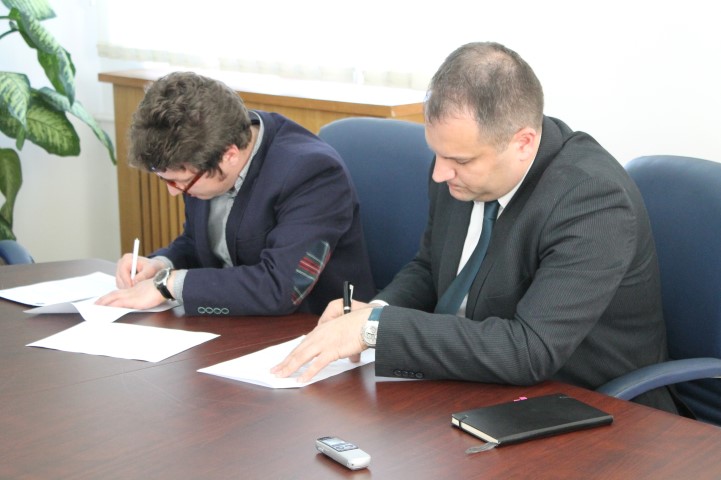
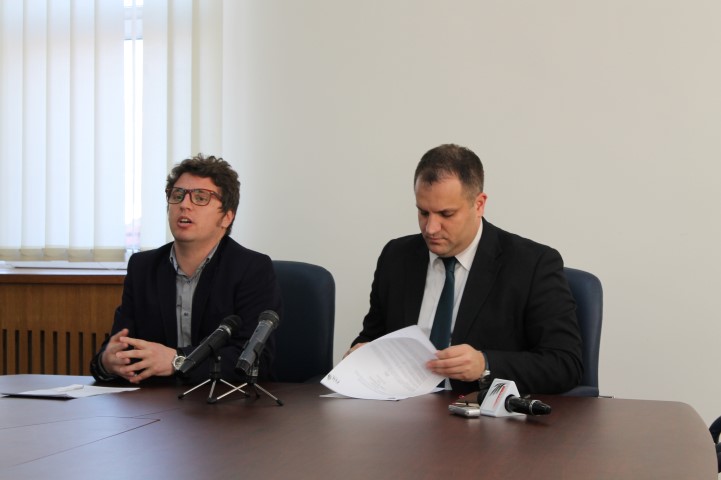
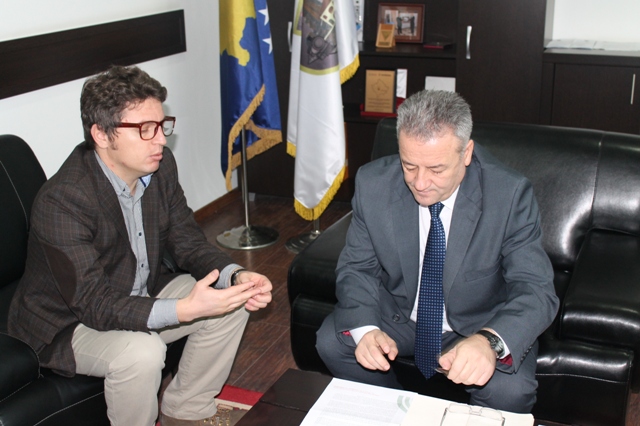
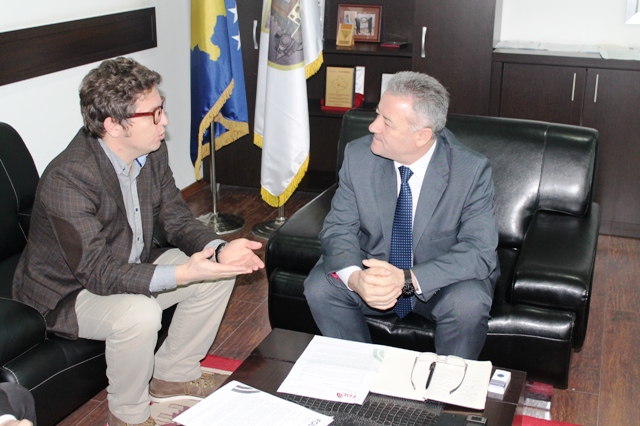
Prishtina, 25th February 2014 – Today, representatives of FOL Movement met the Mayor of Prishtina, Mr. Shpend Ahmeti. The purpose of this meeting was the signing of a Memorandum of Understanding, which will enable FOL Movement to monitor the procurement procedures in this municipality in order to increase the transparency in the sector.

The Mayor of Prishtina, Mr. Shpend Ahmeti said “considering the situation in procurement sector, we have gladly accepted the request of FOL Movement for monitoring the procurement procedures in Prishtina.” He further said “transparency in general is a priority for us and especially transparency of public procurement considering that this is one of the most significant sectors in terms of conflict of interest, fraud and various corruption affairs.”

The Executive Director of FOL Movement Petrit Zogaj said “FOL Movement has been intensively engaged for three years in monitoring the public procurement, where almost seventy percent of Kosovo budget is spent through these procedures.” By signing this agreement “we pledge joint commitments for its implementation in order to increase transparency and good management of public money,” said Petrit Zogaj.

Activity Gallery

Lëvizja FOL dhe Komuna e Prishtinës nënshkruajnë Memorandum Mirëkuptimi për monitorimin e prokurimitLëvizja FOL dhe Komuna e Prishtinës nënshkruajnë Memorandum Mirëkuptimi për monitorimin e prokurimit2Lëvizja FOL dhe Komuna e Prishtinës nënshkruajnë Memorandum Mirëkuptimi për monitorimin e prokurimit3

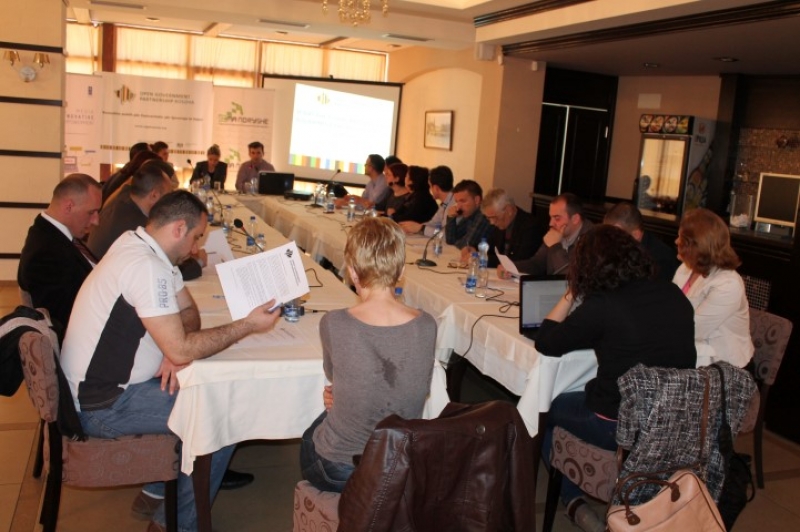
Open Letter to EU Leadership and EU’s Representations and Presence in Kosovo

Prishtina, 24th February 2014 – Today, FOL Movement held a press conference and presented an open letter addressed to the European Union institutions on visa liberalization process for Kosovo.
Petrit Zogaj, from FOL Movement hereby declared that ” FOL Movement, as a civil society organization, through this letter expresses its concern about Kosovo and its citizens regarding the situation they are in terms of the perspective of visa liberalization”. According to him “Considering their efforts so far, from the perspective of civil society and the general public, we consider that all institutions and political authorities in Kosovo, on the one hand, and the EU, on the other hand, has not yet have shown dedication, professional skill, sincerity and seriousness in meeting all the criteria provided by Guide on visa liberalization for Kosovo “.

Through this letter, FOL has addressed a number of claims which are regarded as key points when starting with addressing the deep concerns brought in this letter.
• First of all, both parties should come up with a joint assessment that clearly shows each criterion, one by one, that Kosovo has met so far and a list of other criteria that are still to be met.
• Secondly, they should also define clear lines of accountability for Kosovo, and the EU as well as, and apply this to the public.
• Thirdly, they should establish and maintain the accountability and transparency to the public and improve the participation of civil society.
• Fourth, the role of EULEX and its future are inevitably linked with visa liberalization process. Regarding its role, the guide clearly defines the criteria which EULEX, with an effective involvement should meet.
• Finally, the political dialogue with Member States is crucial. This requires that all relevant political decision makers (including legislators) from both sides, should interact much more with one other in building a deeper understanding of all the requirements and challenges that Kosovo is facing in order to meet each criteria.

Petrit Zogaj also said that “through this open letter, we intend to express our citizens’ confidence that now is the time that the EU institutions and the leaders of Kosovo institutions will equally share all the concerns brought by us”. We want to believe that you will consider in your daily work all the concerns brought hereby, and many others which you already are familiar with, and do everything within your power so that the process of liberalization visa for Kosovo does not stand still due to negligence. Kosovans deserve this,  whether it is supposed to end the gap between initial expectations and continuous uncertainty about the final outcome of this process. We are sure that this is also in the best interest of the EU, said Petrit Zogaj.

Please find below full version of letter:
First of all, let us express all Kosovans’ and our own gratefulness and the highest considerations for the continuous support provided to Kosovo by the EU and its Member States to its state-building and European integration path. The purpose of this letter is to share with you our deep concern on the worrying situation in which Kosovo and its citizens are found with regard to the visa liberalisation perspective.

Over a decade ago, the 2003 joint EU – Western Balkans Thessaloniki Summit marked a shift in EU’s approach to Europeanization of Balkans’ post-conflict societies. It did so by introducing the perspective of visa liberalisation, in addition to the accession process based on the mechanism of the Stabilisation and Association process (SAP). In addition to providing incentives to carry out reforms and promoting rule of law domestically, the perspective of becoming part of the ‘white Schengen’ has since been momentously perceived as a people-oriented approach expected to bring about plausible improvements in citizens’ lives beyond the highly political, comprehensive SAP. As such, it created strong expectations amongst citizens of countries across the region that EU’s policy of accession conditionality was being further endowed with values of fairness and inclusiveness, driven by freedom of movement being promoted as one of fundamental human rights across the old continent.

And not only this. Such a momentous change has gradually created a widespread belief that visa liberalization is not only about reforms and the freedom of movement as a fundamental human right, but that it also promotes socio-economic development for all. Such a belief was inspired by the expectation that, as actually promoted by the EU itself, becoming part of the ‘white Schengen’ would particularly improve access of youngsters to better education opportunities, as well as of businesspeople and professionals to more competitive markets and professional development opportunities provided by the EU internal market and regional markets. Indeed, a much more important expectation still holds, namely that once lifting of the Schengen visa regime becomes a credible political stake genuinely worthwhile to invest in for each society, it certainly acts against Euroscepticism and contributes to gradually brining their values closer to those of developed European societies. Momentously driven by such fundamental shared values and beliefs, the EU and all Western Balkans’ countries jointly took swift steps to advance from visa facilitation to visa liberalisation in roughly two years time, yet only Kosovo was excluded from this. The respective processes with these countries provided for clarity, certainty, fairness in the eyes of the public and realistic approach, combined with thorough guiding by the EU throughout the way, based on full partnership and trust.

On the other hand, though Kosovo has embarked in meeting the criteria required since 2009 and received its visa roadmap from the EU in 2012, it is about to enter the third year into this process. In addition, it is formally part of the Stabilisation and Association Process (covering, among others, the same sectors covered by this roadmap) since 2003 and expects to conclude an SAA soon this year. It is also, since 2012, involved in a so-called ‘structured dialogue on the rule of law’, an invention of its very own kind allegedly tackling the very same sectors as the roadmap does. Moreover, Kosovo enters the sixth year of hosting the biggest ever EU rule of law mission and continues the dialogue with Serbia, both portrayed as bringing it closer to the EU and improving its citizens’ lives. The two latter are embraced by Kosovo’s leadership despite decreasing popularity domestically, due to widespread public disillusionment with EULEX’s performance in actually delivering justice and rule of law and the extremely slow conduciveness of this dialogue to either improving citizens’ lives or getting any closer to the EU. On the contrary, the perspective of visa liberalisation remains as distant as ever, perhaps even murkier than for some former Soviet republics.

We want to share with you our deep worry over the fact that no one seems to have any clear idea when the last two million people living in Europe will finally join the rest of hundreds of millions fellow Europeans who enjoy the fundamental human right to free movement.

We all need to be reminded that Kosovo remains amongst the most isolated countries on the globe, with its citizens allowed to travel without a visa to only about five countries. Seen through the eyes of an ordinary citizen living this reality on everyday basis, this leaves nothing but a perception of a paradox. Such an intrinsic paradox lies precisely in the contradiction between EU’s declared willingness for Kosovo’s accession (regardless of member states’ positions vis-à-vis its statehood) and what it actually does on the ground risking to take an opposite direction during the process. It is clear that the more this process is dragged on, the more isolation would be tried to be broken by ordinary people in search of better life, also given that the accession process will certainly take at least one more decade. Seen in this light, it is imperative that potential risks of continued isolation are paid due consideration and responded to. Potential radicalisation and extremism, be it ethnic, political, religious or of any other kind, would pose very serious risks to Kosovo’s public and constitutional order, thus potentially undermining its very foundations. With communication with other, more developed societies around shut off, we risk to take the path of an insecure society.

While fully recognizing their up to date efforts, from the perspective of the civil society and the wider public, we consider that all Kosovo institutions and political actors, on one hand, and of the EU, on the other, have yet to demonstrate full and clear commitment, competence, honesty and seriousness in meeting all the criteria set out in the Visa Liberalisation Roadmap for Kosovo. Let us therefore outline a number of demands for both the EU and Kosovan institutions which we find crucial if one would want to begin addressing the deep concerns raised in this letter.

• First of all, both need to come up with a joint evaluation clearly indicating each and every criterion that Kosovo has met and an exhaustive list of each and every outstanding criterion contained in the Visa Liberalisation Roadmap for Kosovo. Such a list needs to be clear, particularly in terms of the precise measures agreed to be undertaken to meet the outstanding criteria and a timeframe of implementation. It also has to be fully and continuously transparent and easily accessible to the public. On the other hand, the EU needs to set a clear timeframe of regularly assessing Kosovo’s progress in meeting the outstanding criteria. Such a timeframe also needs to be clear structurally and in terms of exhaustive deadlines, as well as, and most importantly, treat Kosovo as fairly and equally as other Western Balkans countries previously. Such a timeframe and related documents also need to be fully and continuously transparent and easily accessible to the public. The EU needs to bear in mind that continuously adding rather marginal criteria, in whatever form, and evaluating their implementation only once in a blue moon would certainly prove to be counterproductive to actually meeting them by Kosovo, as it would only distract the focus and ultimately diminish both parties’ commitment to the very process and public trust in it. The risk of a ‘visa liberalisation fatigue’ is clearly very imminent.

• Secondly, clear lines of accountability, both on Kosovo’s and EU’s side, need to be in place and communicated to the public. This also requires clear division of responsibilities throughout the respective institutional hierarchies (as prescribed by their respective functions per se) and avoiding existing overlapping between sectors and levels of institutions, including when it comes to monitoring, reporting and evaluation. The process, nevertheless, needs to ensure inclusiveness of stakeholders and responsiveness. Last but not least in this regard, the coordination structures in place, on both sides and at all levels, need to be only instruments serving the goal (implementation of the roadmap), not degenerate into goals in themselves. One such structure seems to be the ‘structured dialogue on the rule of law’, which seems to overlap and risks becoming a goal in itself.

• Thirdly, accountability and transparency to the public and improved involvement of civil society need to be established and maintained. This requires ensuring public access to the information reflecting all the dimensions and processes conducted and engaged in since Kosovo received the roadmap and up until the end of the process. Such information includes, but is not limited to, planning, reporting and evaluation documents produced by both parties, as well as conclusions of all official meetings, in particularly those at the political level. Last but not least on transparency, joint press releases and joint media briefings are ordinary practices in any democratic political system, and as such have to be part of each and every political-level meeting on visa liberalisation between EU and Kosovo. On the other hand, civil society would bring added value to the process if allowed to bring more of its own views and exert more of organized pressure.

• Fourthly, the role of EULEX and its future are inextricably related to the visa liberalisation process. As far as its role is concerned, the roadmap clearly sets out the criteria which EULEX has to contribute to meeting though its effective involvement. Though they might be often misread as exclusively tasks of Kosovan institutions vis-à-vis EULEX as an EU mission, this finally needs to be seen as a fully-fledged mutual approach. This requires clarity on what EULEX’s precise duties are given the full nature of its mandate, particularly when it comes to its ‘executive mandate’ and issues of membership and cooperation with the relevant international and regional organisations and mechanisms, where there seems to be the least progress. In this regard, the very fact that all its member states are in favour of Kosovo becoming part of the ‘white Schengen’ allows the EU room to play a more proactive broker role towards Kosovo formally becoming a member and establishing and maintaining cooperation with such organisations and mechanisms. Moreover, both sides need to recognize the political sensitivities that might derive for Kosovo in general of endlessly extending EULEX’s mandate, particularly given the public disappointment with its performance, a perception also recognized and shared by certain EU actors at times.

• Lastly, political dialogue with member states is crucial. This requires all relevant political decision-makers (including lawmakers) on both sides, to engage much more heavily with each-other in building a thorough understanding of all the criteria and challenges facing Kosovo in meeting each of them. Next to it, this requires the Kosovan side to directly and continuously engage, under EU’s facilitation (where needed) with EU member states. And not only them, but also relevant international and regional organisations and mechanisms and regional countries. Last but not least in this regard, both parties need to think creatively on how to make the dialogue with Serbia more structurally conditioned and better linked to facilitating meeting of the visa liberalisation criteria.

To conclude, through this open letter, we seek to express our citizens’ belief that the time has come for both you and our elected leaders to equally share all the concerns raised herein. We want to believe that you will take into consideration all these and other concerns you are already familiar with in your own daily work, and undertake all that is in your power so that the visa liberalisation process for Kosovo does not stall out of neglect. Kosovans deserve this if the gap between original expectations and continued uncertainty over the finality of this process is to be brought to an end. We are sure that this is also in EU’s best interest.

Activity Gallery
FOL dërgon letër të hapur udhëheqjes së BE-së rreth procesit të liberalizimit të vizaveFOL dërgon letër të hapur udhëheqjes së BE-së rreth procesit të liberalizimit të vizave2FOL dërgon letër të hapur udhëheqjes së BE-së rreth procesit të liberalizimit të vizave3FOL dërgon letër të hapur udhëheqjes së BE-së rreth procesit të liberalizimit të vizave4

2013

FOL Movement becomes a member of the United Nations Convention against Corruption- UNCAC Coalition

Prishtina, January 20, 2014- FOL Movement is notified today that it has successfully become a member of the United Nations Convention against Corruption – Coalition UNCAC (www.uncaccoalition.org). UNCAC Coalition is a global network of civil society organizations that engages and promotes the fight against corruption through advocacy for ratification, implementation and monitoring of the United Nations Convention against Corruption – UNCAC. This coalition is established in 2006, through mobilization of civil society organization of UNCAC in international, national and regional level.

On this occasion, FOL Movement expresses its gratitude for the trust given by the UNCAC Coalition to be part of this global commitment in the fight against corruption. This is also a sign that proves the recognition and contribution of FOL Movement and its partners in promoting fight against corruption in Kosovo. We believe that this is a good opportunity for us to increase our commitment to fulfil our mission, through cooperation and exchange of experiences with other regional and international organizations as part of UNCAC Coalition.

FOL Movement met the Mayor of Gjilan Municipality, Mr. Lutfi Haziri about the transparency in Public Procurement

Gjilan, 16th January 2014 – Regarding the initiative to discuss transparency of local governments, FOL Movement oday met the Mayor of Gjilan Mr. Haziri. In this meeting was discussed about the possibility of cooperation between the Municipality of Gjilan and FOL Movement and particularly about the possibility of monitoring the public procurement processes in Gjilan Municipality.

Petrit Zogaj from FOL Movement said that monitoring of public procurement processes intends to increase the level of transparency and accountability in this sector, because through this mechanism is spent a large amount of the public money. Petrit Zogaj also said that “monitoring will impact to prevent misuse, mismanagement and corruption in this sector and will serve in respecting the law and procedures in procurement processes. In addition, he stressed that public communication office should be opened and active and improve citizens’ access to public documents”.

Whereas the Mayor of Gjilan, Mr. Haziri expressed his willingness as mayor about the possibilities of cooperation. He further stated that “the cooperation with civil society is a municipal interest, as mayor I have asked the procurement office to create committees of citizens who will participate in monitoring of procurement procedures in the municipality of Gjilan”.

At the meeting was also discussed about the process of Kosovo’s membership in international organization Open Government Partnership, where Mayor Haziri said that it was a very important membership of Kosovo in this organization, this would help Kosovo in establishing an open government. This process, according to the attendees of the meeting will also affect the implementation of electronic procurement which would affect the efficiency of the procurement sector and prevent misuses and mismanagement in this sector by increasing transparency.

At the end of the meeting both sides agreed that in a short time they will sign a Memorandum of Understanding in order to monitor public procurement procedures in Gjilan Municipality in accordance with this memorandum.

Activity Gallery

FOL takoi Kryetarin e Gjilanit z. Lutfi Haziri

FOL takoi Kryetarin e Gjilanit z. Lutfi Haziri 3

FOL takoi Kryetarin e Gjilanit z. Lutfi Haziri 2

FOL Movement met the Mayor of Prishtina Mr. Shpend Ahmeti about the transparency in Public procurement

Prishtina, 16th January 2014 – With the purpose to discuss and promote transparency of local governments Movement FOL today met the Mayor of Prishtina, Mr. Ahmeti. In this meeting was discussed about the possibility of cooperation between the Municipality of Prishtina and FOL Movement and particularly about the possibility of monitoring the public procurement processes in Prishtina Municipality.

Petrit Zogaj from Movement FOL said that considering the need and willingness to enhance transparency at the municipal level in order to increase the level of good governance and the prevention of misuse, mismanagement and corruption in this sector. He further added that, according to many local and international reports one of the most sensitive sectors regarding corruption affairs is public procurement sector because through this mechanism is spent a large amount of the public money. On this occasion Petrit Zogaj said that we have taken the initiative to ask six municipalities to allow us to monitor procurement procedures in these municipalities.

The Mayor of Pristina, Mr. Ahmeti appreciated civil society’s willingness to cooperate with the Municipality of Prishtina, especially enhancing the transparency of the municipality. He expressed his willingness as mayor about the possibilities of cooperation with Movement FOL regarding transparency in public procurement and the process of Kosovo’s membership in the Open Government Partnership. He further said that “it is in the interest of the municipality to improve the level of transparency in procurement sector, there are also some other problems in this municipality as well that should be avoided, such as the conflict of interest”.

At the end of the meeting both sides agreed that in a short time they will sign a Memorandum of Understanding in order to monitor public procurement procedures in Prishtina Municipality in accordance with this memorandum.

Activity Gallery

FOL takoi Kryetarin e Prishtinës z. Shpend Ahmeti2

FOL takoi Kryetarin e Prishtinës z. Shpend Ahmeti

FOL met the mayor of Gjakova Mrs. Mimoza Kusari-Lila about transparency in public procurement 14th January 2014

Gjakova, 14th January 2014 – Due to the request of FOL Movement to six municipalities of Kosovo, today, representatives of FOL Movement met the Mayor of Gjakova Municipality Ms. Mimoza Kusari-Lila. In this meeting was discussed about the possibility of cooperation between the Municipality of Gjakova and FOL Movement and particularly about the possibility of monitoring the public procurement processes in Gjakova municipality.

Petrit Zogaj from FOL Movement initially congratulated the mayor Kusari – Lila for election as the first woman mayor in Kosovo. Then, the discussion was about the cooperation that municipalities in general and civil society must have. One of the most significant issues in this process of cooperation is monitoring the public procurement process. This monitoring is intends to enhance the level of transparency and accountability in this sector, because through this mechanism is spent a large amount of the public money and also monitoring will impact to prevent misuse, mismanagement and corruption in this sector and will serve in respecting the law and procedures in procurement processes. In addition, he stressed that public communication office should be opened and active and improve citizens’ access to public documents.

On the other hand the Mayor of Gjakova, Mrs. Mimoza Kusari-Lila expressed her interest and willingness as Mayor about the possibilities of cooperation. She further stated that “she is very interested to change the way of governance different from what so far has characterized the governance in Gjakova, by increasing the level of transparency and accountability, and avoiding irregularities in the development of all processes in the municipality of Gjakova.
At the end of the meeting both sides agreed that in a short time they will sign a Memorandum of Understanding in order to monitor public procurement procedures in Gjakova Municipality in accordance with this memorandum and for cooperation in other areas as well.

Activity of Gallery

FOL takoi Kryetaren e Gjakovës znj. Mimoza Kusari-Lila3

FOL takoi Kryetaren e Gjakovës znj. Mimoza Kusari-Lila2

FOL takoi Kryetaren e Gjakovës znj. Mimoza Kusari-Lila

FOL Movement met the Mayor of Ferizaj Mr. Muharem Svarqa about transparency in Public Procurement

Ferizaj, 13th January 2014 – As a result of the request of FOL Movement to six municipalities of Kosovo, today, representatives of FOL Movement met the Mayor of Ferizaj Municipality Mr. Muharem Svarqa. In this meeting was discussed about the possibility of cooperation between the Municipality of Ferizaj and FOL Movement and particularly about the possibility of monitoring the public procurement processes in Ferizaj municipality.

Petrit Zogaj from FOL Movement said that monitoring of public procurement processes intends to increase the level of transparency and accountability in this sector, because through this mechanism is spent a large amount of the public money Petrit Zogaj also said that “monitoring will impact to prevent misuse, mismanagement and corruption in this sector and will serve in respecting the law and procedures in procurement processes. In addition, he stressed that public communication office should be opened and active and improve citizens’ access to public documents”.

Whereas, the Mayor of Ferizaj, Mr. Muharem Svarqa expressed his interest and willingness as mayor about the possibilities of cooperation. He further stressed that “he is very interested in increasing the level of transparency and accountability not only in the public procurement sector but also in other sectors of the municipal government.”

At the end of the meeting both sides agreed that in a short time they will sign a Memorandum of Understanding in order to monitor public procurement procedures in Ferizaj Municipality in accordance with this memorandum.

Levizja FOL takoi Kryetarin e Ferizajit3

Levizja FOL takoi Kryetarin e Ferizajit2

Levizja FOL takoi Kryetarin e Ferizajit

FOL asks six mayors for opening of public procurement offices

Prishtina, January 9, 2014 – FOL Movement is asking the six new mayors of Kosovo municipalities to open public procurement offices. FOL, through this request, is intending to initiate a true and direct collaboration between local governance and elected mayors in November’s elections and civil society, in order to increase the transparency and accountability of these institutions.

FOL believes that the will expressed during the recent election campaign by the heads already selected will be shown in the daily governance in these municipalities. We have initially picked up six Kosovo municipalities, which are Prishtina, Ferizaj, Gjilan, Mitrovica, Gjakova and Peja, but at a convenient time we will make the same request to other municipalities.

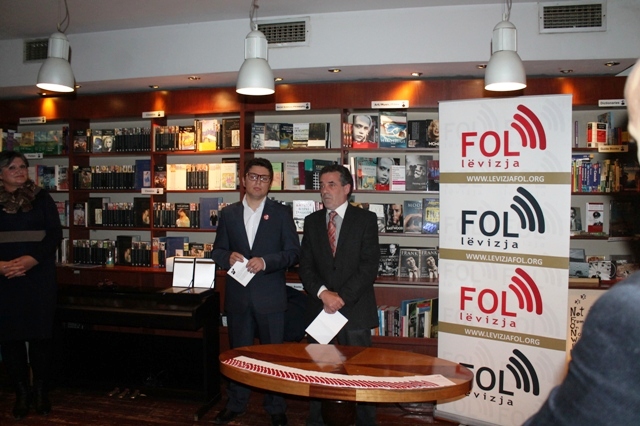
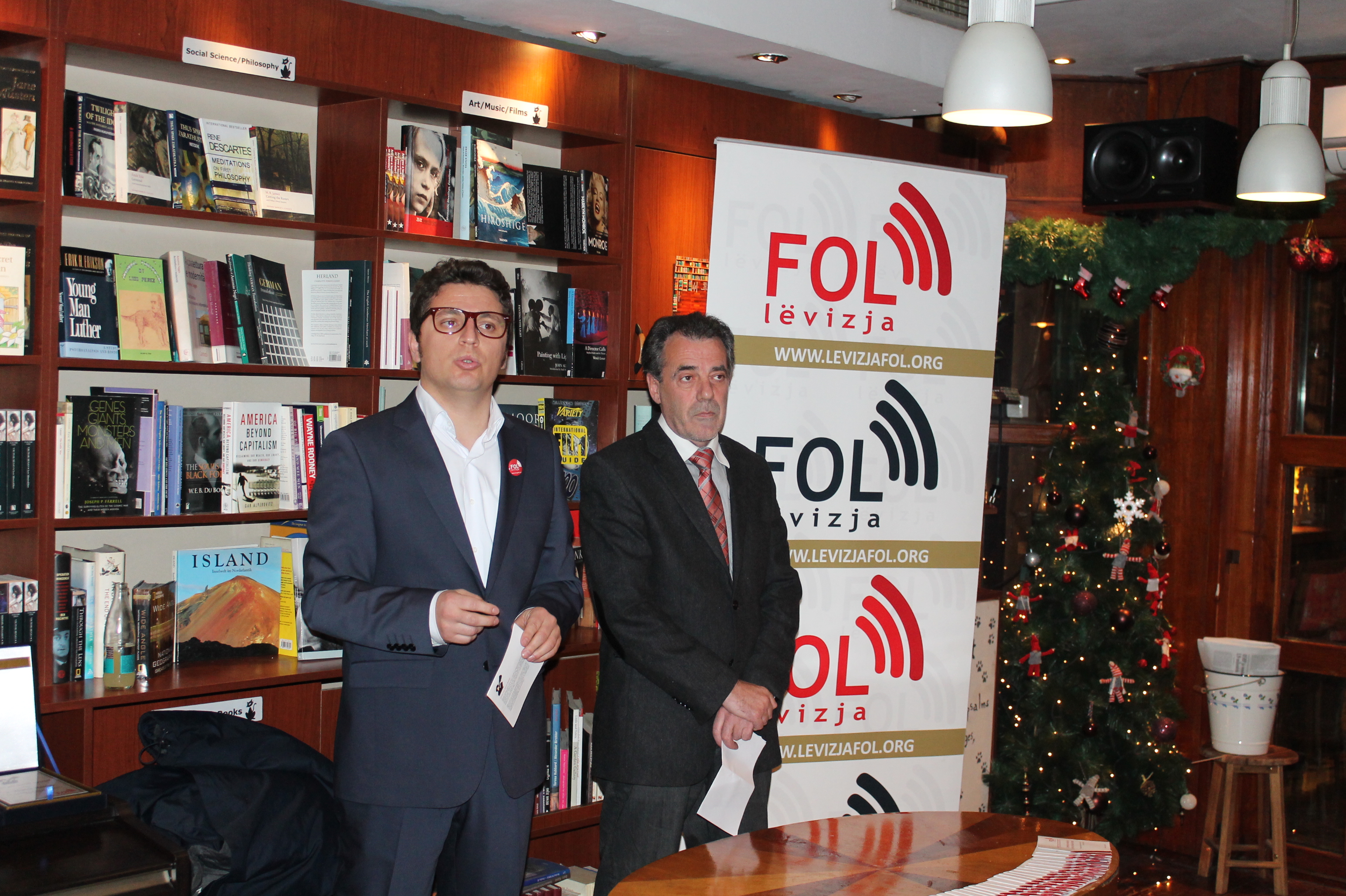
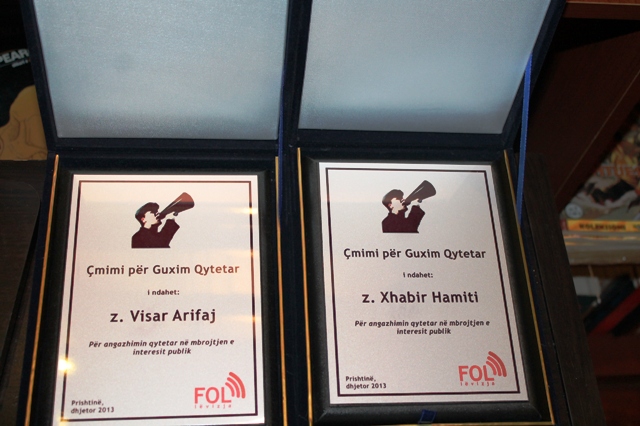
Xhabir Hamiti and Visar Arifaj awarded with Citizens Award

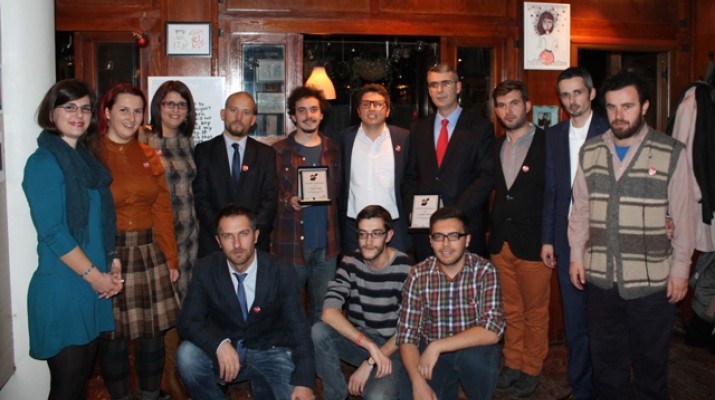
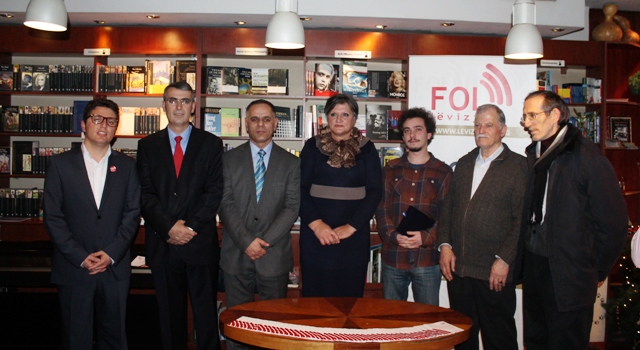
Prishtina, December 27, 2013 – FOL Movement at a party organized for the end of the year, awarded for the fifth time the Citizens’ Award. This year, the award went to Xhabir Hamiti and Visar Arifaj.

Petrit Zogaj, the Executive Director of FOL said that “FOL Movement is closing this year, just like other four previous years, with an event, which is trying to support, protect and thank individuals who, although had encountered difficulties in performing their daily work, did not stop at any moment to inform the public, to open debates on certain issues and to protect their right causes. Mr. Hamiti and Mr. Arifaj, are an example of devoted citizens who do not compromise with principles, being willing to face the risks that may come. “

Meanwhile, Halil Matoshi , a board member of FOL Movement said that in the context of the great debate in our society and beyond, regarding the secularity of state and the right of faith, Xhabir Hamiti being a scholar of Islam, with his approach against its politicization, and against the open tendencies to use religion for political power and domination of society, thus supporting a conciliatory discourse between these two rights . “Although under various threats and constraints within Kosovo Islamic Community (KIC), Mr. Hamiti did not become part of conformity to mold the cultural and spiritual misinterpretation of this society and this country, struggling with the power of the word for the right of religion, respectively the religious diversity on one hand and to respect the Constitution and laws of the modern state, separated from religion. Thus, Mr. Hamiti testified that Islamic faith can be adjusted to the conditions of a new democracy, as this one in Kosovo, without flapping these two rights, and therefore this should be as a classic example of a courageous thinker who with no price disagreed with changing the multi religious character of Kosovo society, while maintaining intact the multi religious tolerance and ecumenism, as a prominent value among Albanians throughout history courses, “said Matoshi.

Xhabir Hamiti said that our future, and the progress of our country, will also depend on the orientation and our right religious approach. “Everybody, but first of all religious leaders should think with their heads in the way and native approach of interpreting religion, which means a way of bringing together believers and not by threat in its name”, said Hamiti. According to him, those who take the lead, and divide our citizens by using religious sentiments for personal, foreign or any ideology interests, causing damage and separations, they do not do any good to religion nor our citizens or our future.

Matoshi said that Visar Arifaj was justly awarded with Citizens’ Award, because of the assistance he gave to expose the corrupt politics and creating a new political era in Kosovo, which resulted with unexpected results on local elections nationwide. “His example as it is unique; it should also be a model of courage and creativity to all who try to influence the public discourse for the good of the country, creating innovative approaches to the public that are both popular and progressive. Visar and Strong Party’s formula brought down a wall for us. This award is an appreciation for that” said Matoshi.

In meantime, Visar Arifaj, said: “Courage is a very interesting matter. Since we started with the idea of the Party, about two years ago, we did not think we needed guts for such an idea. Only when the elections came, we realized that we needed courage for something like Strong Party. We actually thought this is a very natural expression about the political and social circumstances we live in. The good thing is a lot of people have been working on the creation and organization of the Strong Party, starting with candidates themselves, regular vice-presidents and vice-presidents in the shade, so that the party became a reality. I, as a typical chairman and a politician, simply take the merits “.
Winners of this award in the past four years were: Mr. Rufki Suma, independent candidate who won the election for mayor of Hani i Elezit, Mrs. Ajnishahe Shala-Halimi, an activist for human rights, Mr. Ejup Bajrami, citizen of Prishtina and defender of this city, Adem Meta, a journalist from Skenderaj.

Activity Gallery

20140305031110_1297

20140305031110_570

20140305031110_717

20140305031110_349

20140305031110_89

20140305031110_1315

20140305031110_896

20140305031110_1298

20140305031110_810

20140305031110_870

20140305031110_643

20140305031110_553

foto (92)

Fair trials are necessary to increase the confidence in justice system

Prishtina, December 20, 2013 – Today, FOL Movement organized a round table on the topic: The Right for a “Fair Trial”, in this occasion was published also the report with the same title. This table served as a platform for discussing the preconditions of the right for a Fair Trial and its practical implementation in Kosovo, a topic which was also analyzed in the report.

Participants in this meeting were representatives from Basic Prosecution in Prishtina, Kosovo Police, EULEX, Civil Society, media and experts of human rights and freedoms.

Kenan Tora from FOL Movement stated that the purpose of this report is to analyze the preconditions of the right for a Fair Trial and its application in judicial practice in the context of the cases related to corruption and abuse of authority monitored by FOL Movement . Then Admir Salihu also from FOL Movement continued with the report’s main findings and recommendations. He said that the right for a Fair Trial is a right guaranteed by all international conventions of human rights and also its implementation in Kosovo is also empowered by the Constitution and other laws applicable in Kosovo. However, the current system does not provide adequate defense. The commitment of public institutions of the Republic of Kosovo regarding the implementation of international standards on the protection of human rights, empowered by the Constitution, requires a much greater commitment in practice. He continued that, it is recommended continuing training and education of judges, prosecutors and lawyers regarding to human rights, higher acting standards by prosecutors, higher ethical and legal standards and appropriate measures should be taken including disciplinary actions in cases where lawyers do not act in accordance with professional standards provided by the Code of the Chamber of Attorneys or legal provisions.

Meanwhile Fikrije Krasniqi-Fejzullahu, Prosecutor at Basic Prosecution in Prishtina, highly praised the preparation of this report and said that all the findings of the report are true and also praised the recommendations. She said that the increase of the cases is one of the main causes affecting the delay for trials, which has a direct impact on the implementation of standards for a fair trial.

Hilmi Jashari an experts of human rights said that this report will help in paving the way for the advancement of standards for a fair trial in Kosovo’s judicial system. He went on to say that if Kosovo would be a member of the Council of Europe, current problems with the implementation of standards for a Fair Trial will also bring damage to the Kosovo budget, since Kosovo would become then, an object of appeals to the European Court of Human Rights.
Shqipe Ibraj-Mala, Deputy Ombudsman said that such reports help in advancing human rights standards in our country. She also stressed the problems of justice institutions due to the lack of human and technical capacities.

Emin Beqiri from Department for Investigation of Economic Crimes and Corruption in Kosovo Police said that the institution he heads, is constantly working on professional advancement in processing cases. But to achieve progress in this matter, a proper coordination between all institutions of justice is needed.

Activity Gallery

foto (91)

20140305031110_1292

20140305031110_395

20140305031110_626

20140305031110_1343

Clarification about introducing Anti-Corruption Statistics Platform

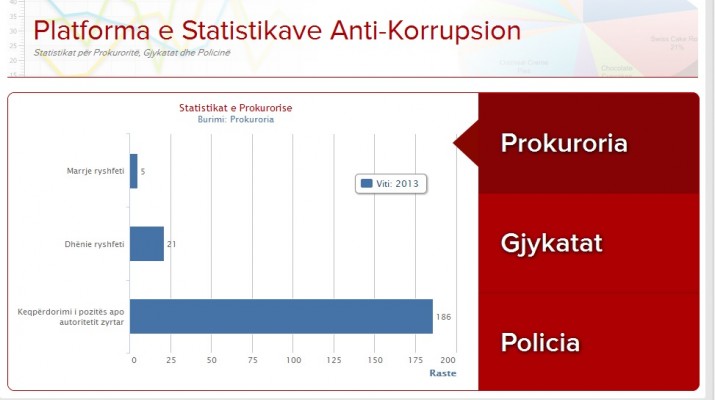
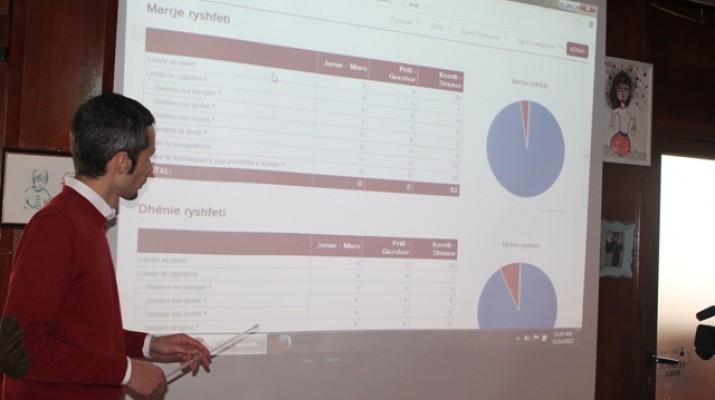
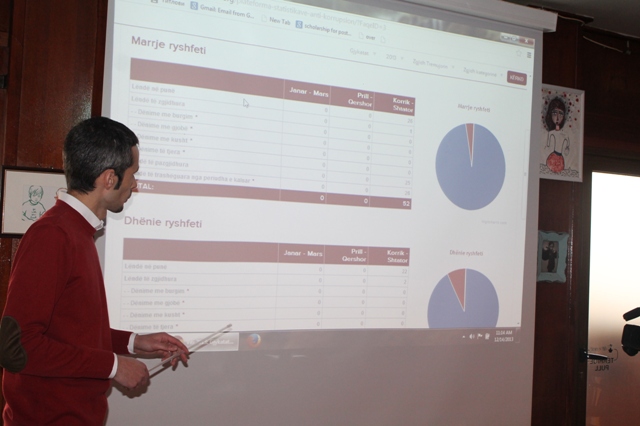
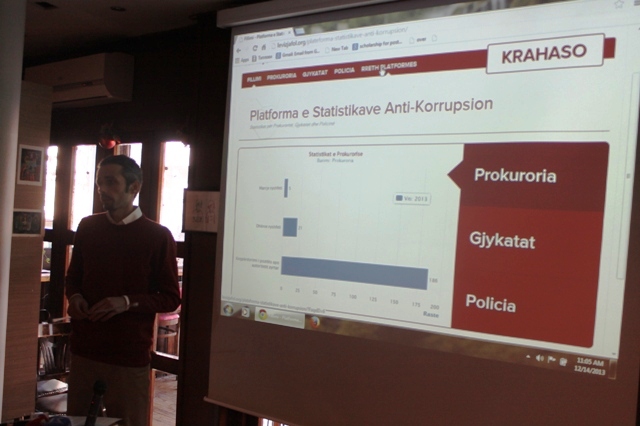
Prishtina, December 16, 2013 – On Saturday, December 14, 2013 FOL Movement introduced the Anti-Corruption Statistics Platform. In this platform were presented the statistics of anti-corruption cases that were initiated or were in process during the nine months of this year by prosecution, court and police. Also, on this platform, the data of these institutions in quarterly and annual basis can be compared online.

However, what was reported (unintentionally) on Saturday and Sunday by some print and electronic media is that the figures that we have introduced in the platform are considered as these data are cases of corruption that occurred within the Prosecution, Courts and police. Thus, in this case was made a wrong interpretation of the data of the platform in some media reports. We want to explain this to public opinion that the figures published in this platform are about all the cases that these three institutions have addressed within this period, that is January-September 2013.

For more information, please find attached in the link below the statement issued by FOL Movement when introducing the Anti-corruption Statistics Platform.
Statement: FOL Movement introduces Anti-Corruption Statistics Platform

http://levizjafol.org/al/aktivitetet/artikulli/levizja_fol_lanson_platformen_e_statistikave_anti_korrupsion

FOL Movement Introduces Ant-Corruption Statistics Platform

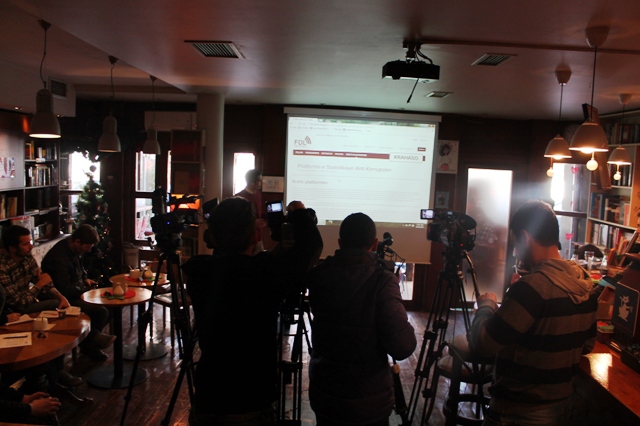
Prishtina, 14 December 2013 – Today, FOL Movement has published the online Anti-Corruption Statistics platform, where the anti-corruption statistics of Prosecutions, Courts and Police will be published regularly every three months and annually.
Fidan Kalaja from FOL Movement said that the platform is posted in the website of the FOL Movement (http://levizjafol.org/plateforma-statistikave-anti-korrupsion/) and statistics that will be published on this platform will be comparable and their comparison will also be every three months within the institution.
“Due to a four – year work of FOL Movement stuff in monitoring corruption in Kosovo, the organization is making progress in realizing its mission, contributing in the fight against corruption by developing an Anti-Corruption Statistics platform in Kosovo,” said Kalaja.

This platform includes three institutions that are directly involved in the fight against corruption: Prosecutions, Courts and Police. For each institution have been included three main categories: taking bribe, giving bribe and abuse of authority. Each of these categories has its sub-categories, which are included in the platform and will constitute the total number of main categories.

The platform has been developed in order to include anti-corruption statistics from 2010, but due to the non-standardization of statistics by these institutions, it was impossible to include the previous years. Thus, the data that will be included in the platform will be for 2013, for prosecution, courts and police on a quarterly basis, January-March, April-June and July-September.

FOL Movement is developing a system that is completely new, not only in Kosovo but also abroad, stated Fidan Kalaja. “These data, according to him, will be updated regularly and new categories will be added to further develop this approach, which is vita, especially for measuring the impact of the implementation of laws, actions and anti-corruption policies in the country. We expect that these data will be useful for our institutions, especially the judicial and prosecutorial system, they will reflect and enhance the effectiveness of the fight against corruption “.

This platform will offer the opportunity and access for every citizen of Kosovo to see the work and commitment of national institutions in the fight against corruption, based on tangible and comparable data.

Activity Gallery

20140305031110_926

20140305031110_1453

20140305031110_287

20140305031110_899

Annual Meeting of the Advisory Board of FOL Movement

Prishtina, December 12’th 2013 – On Thursday, the Advisory Board of FOL Movement held the last meeting for this year. FOL Movement leaders informed the members of the Board about the activities and events that FOL has conducted during 2013, and also about the plans of the next year. After the presentation of the work done in 2013 by FOL, the board’s members expressed their support for the work done by and its plans for 2014.

At this meeting was discussed also about the organization of the Citizen Award ceremony, where FOL for the fifth time will give the award. After a long discussion on the proposals and justifications for this award, the Board decided for proposals and the day when it will be held.

Activity Gallery

foto (88)

20140305031110_1176

20140305031110_358

Access to justice supports in realization of human rights

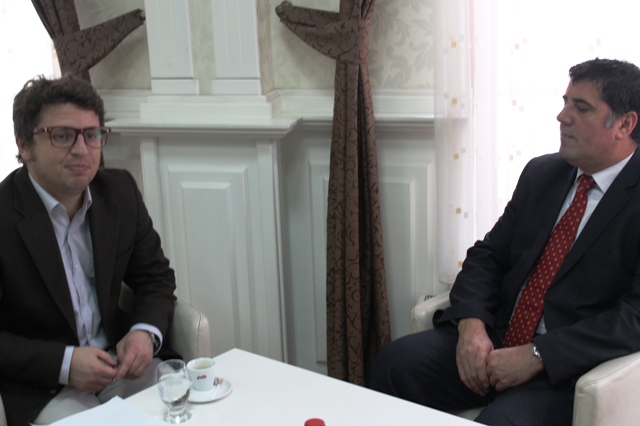
Gjakova, December 10, 2013 – FOL Movement within the project “Getting closer citizens and justice institutions”, which is supported by the American people through USAID / ATRC, held the next meeting of the “Justice Access Forum” in Gjakova on Tuesday, on the International Day of Human Rights and Freedoms. The panel was constituted by: Vaton Durguti, chairman of the Basic Court in Gjakova, Shpresa Bakija, chief prosecutor of the Prosecution Office in Gjakova and Aishe Berisha, spokesperson of Kosovo Judicial Council. Present were also representatives of Kosovo Police, representatives of Ombudsman, representatives from the Centre for Legal Aid, civil society and interested citizens of municipality of Gjakova. At this meeting was presented the monitoring report on hearing sessions in Gjakova and Podujeva.

Kenan Tora from FOL Movement stated that since the beginning, the Justice Access Forum was initiated and established in order to strengthen the access to justice by establishing new means of communication which would facilitate the cooperation between judicial institutions and citizens in the Municipality of Gjakova, and also serve as a platform to discuss not only the problems faced every day in the justice system but also as a platform coming up with ideas to solve these problems. He also presented the main findings of the report on monitoring hearing sessions related to corruption and abuse of authority, stressing that access to information in court is often extremely difficult because of bureaucratic procedures. Presentation of this report and organization of the forum happened to be on the International Day of Human Rights and Freedoms. On this occasion he also spoke about the importance of this day and further he stated that citizens’ access to justice institutions can have a very positive effect on the realization of their rights and freedoms.

While Aishe Qorraj – Berisha, spokeswoman of KJC made a presentation about the work of KJC but also stressed and acknowledged the problems and challenges of the judiciary which are associated with the International Day of Human Rights stating that the violation of human rights exists in Kosovo as well. “We must not forget that the third power in Kosovo has gone through various stages. In 2013 the judiciary has gone through a radical reform, “said Qorraj-Berisha.

The President of the Basic Court in Gjakova, Vaton Durguti, stated that all the findings of FOL Movement stand and are a concern. He said that there is a large number of cases and it is justified due to the fact that the Basic Court in Gjakova have under its jurisdiction the municipalities of Rahovec and Malisheva. “When we add to this the transfer of the cases from the former District Court in Peja it shows that the number of the cases is very large. Furthermore, Durguti mentioned that within the Basic Court in Gjakova is operating the Probation Council – Correction Council”.

Meanwhile, the Chief prosecutor of the Prosecution Office in Gjakova, Shpresa Bakija said that prosecution of criminal offenses in Gjakova is successfully completed. “In January 2013, we started with 70 cases and now we have Rahovec and Malisheva. Due to the fact that now we are a Basic Prosecution and Rahovec is in our jurisdiction, I have to mention that have received cases from District Court in Prizren as well”.

The discussion was opened and other participants spoke, among others the Commander of Police Station in Gjakova, Kristë Gjokaj said that this institution has excellent cooperation with Court and Prosecution and they are always at citizens’ service.

Edmond Dushi, a representative of OSCE asked the President of the Court that “FOL Movement recommendations should be considered and work on these improve these recommendations in order to improve them so that citizens do not have troubles getting information or service delivery by the administration of the Court “.

Flamur Gojani – asked to use more the electronic media where the information of citizens and their reports can be published on the website of the Court.

Activity Gallery
20140305031110_1274

20140305031110_97

20140305031110_120

20140305031110_370