FOL presents the concrete steps that would impact enhancing the transparency in the judicial system

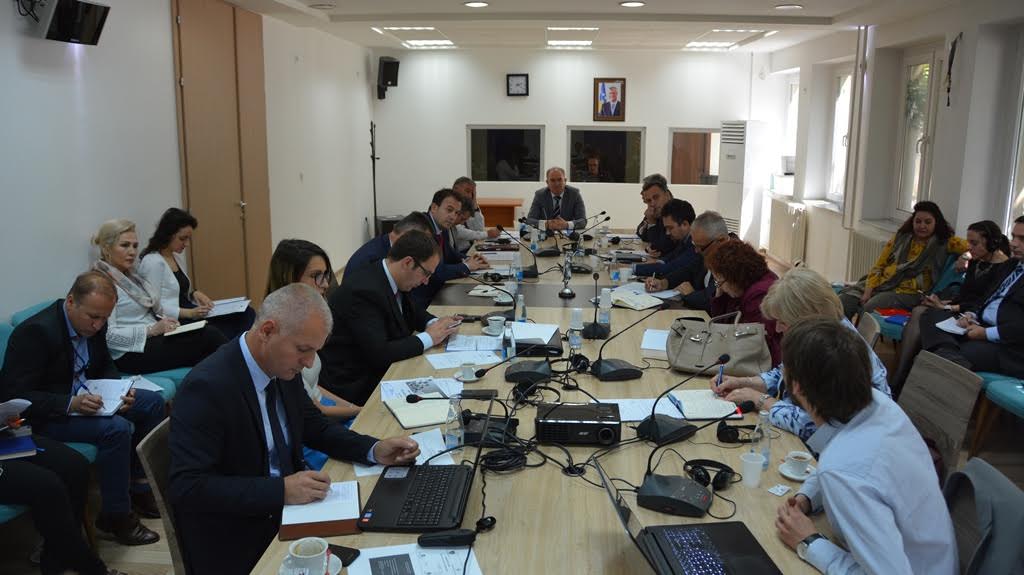
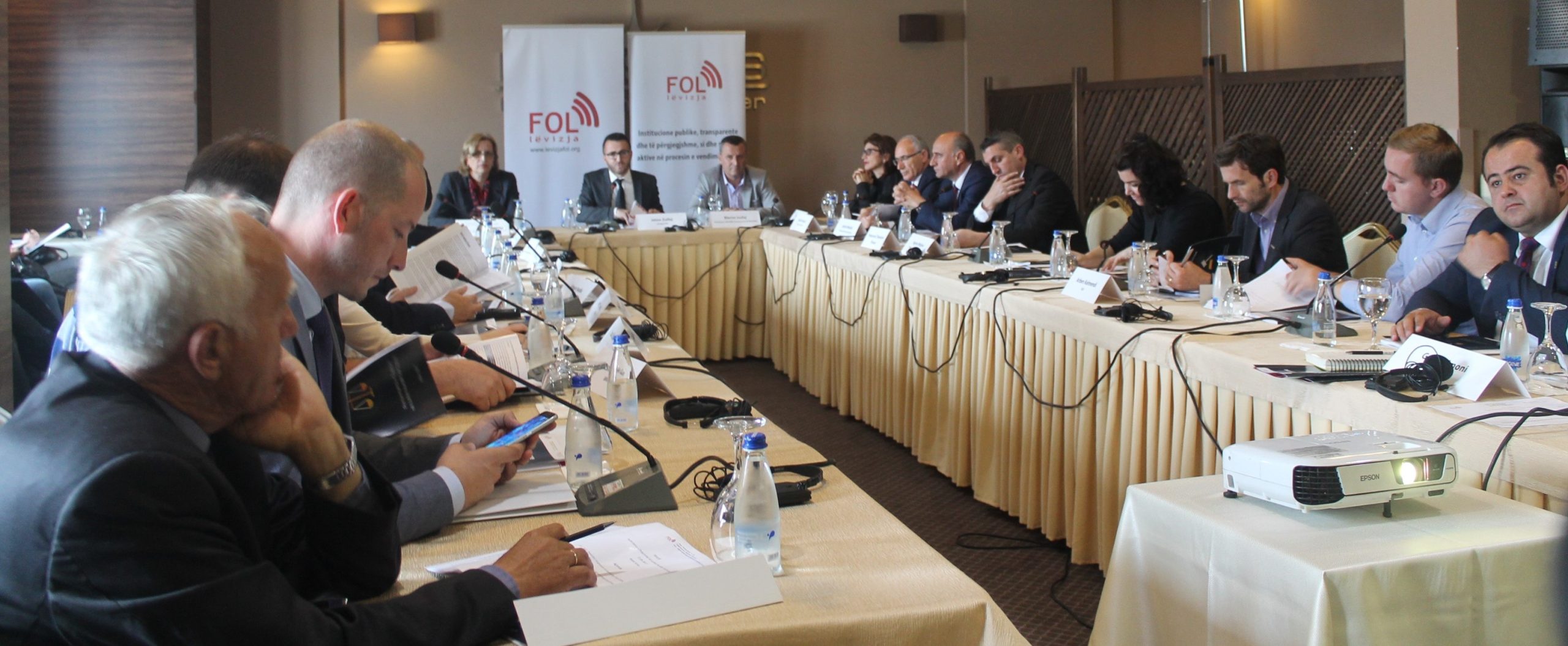
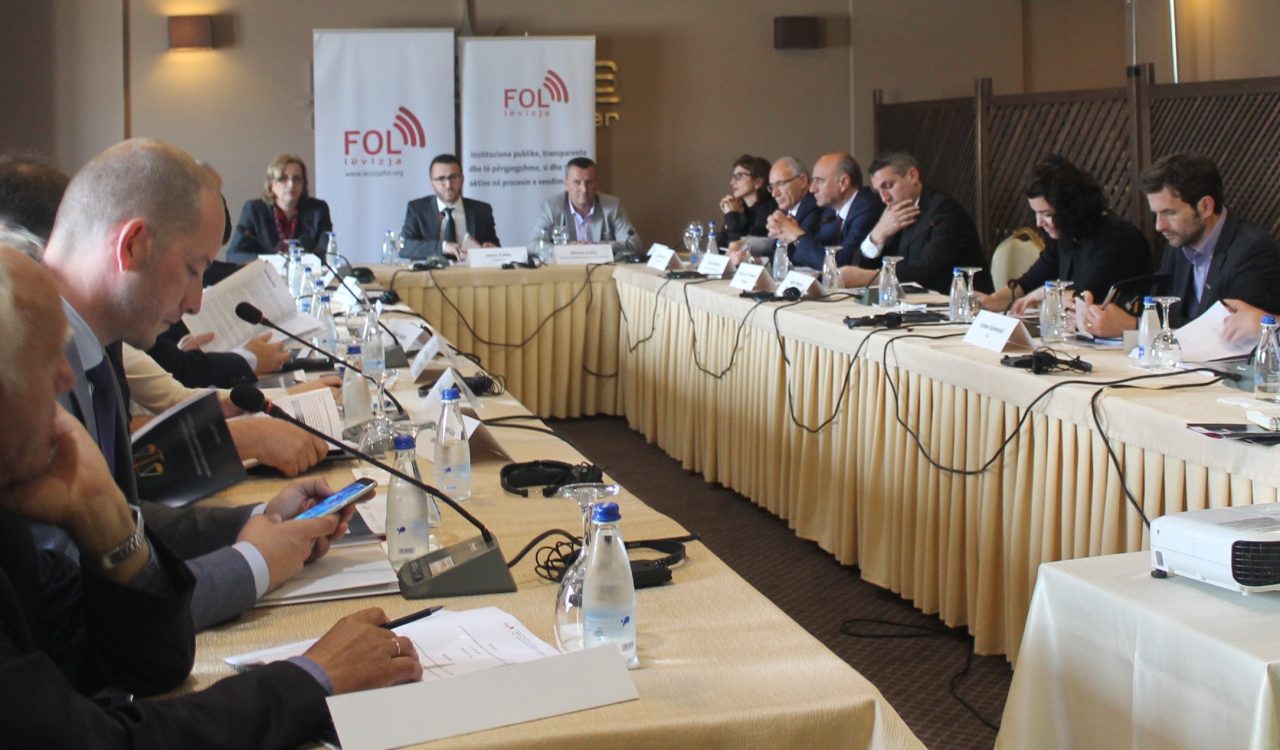
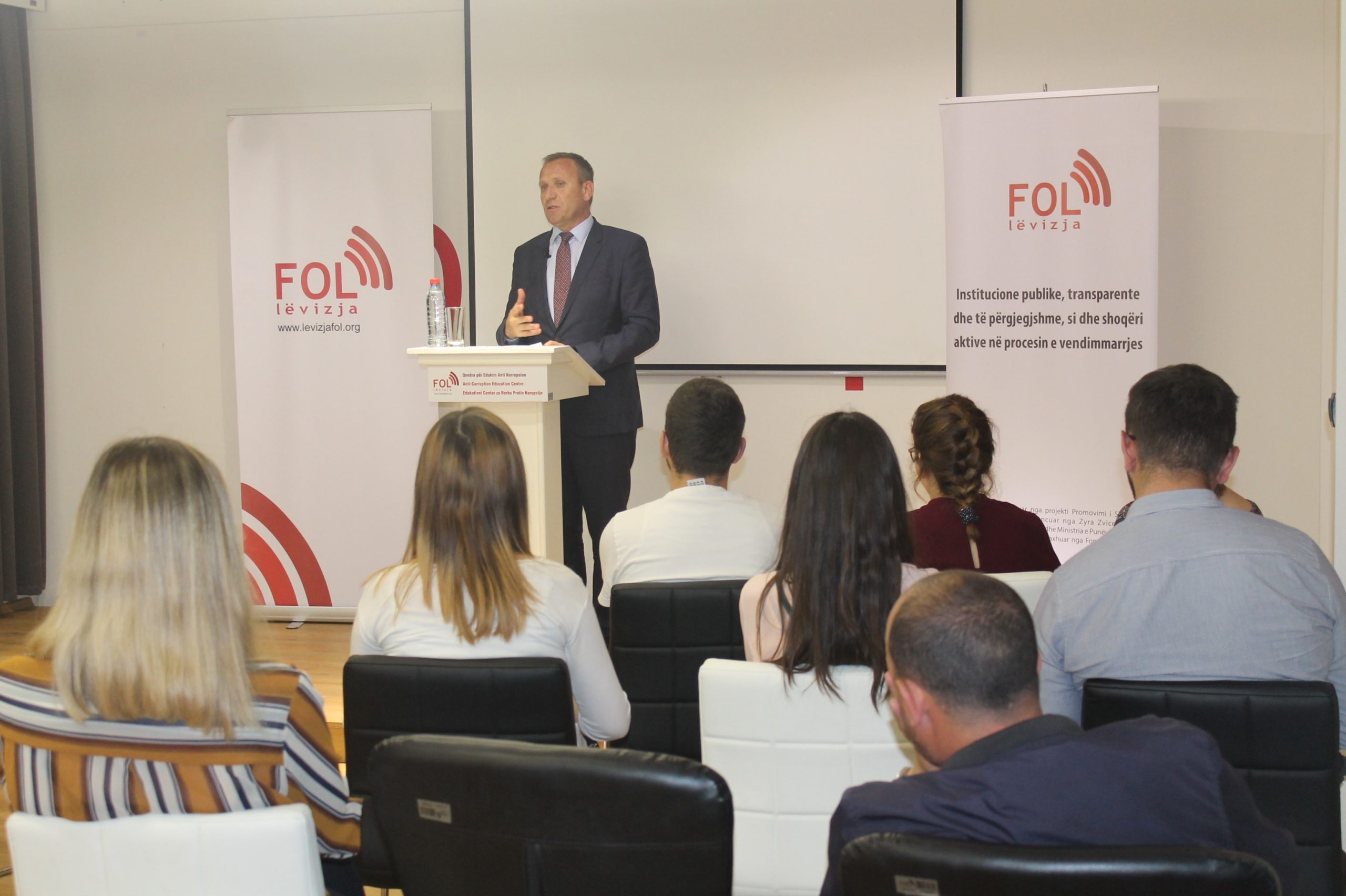
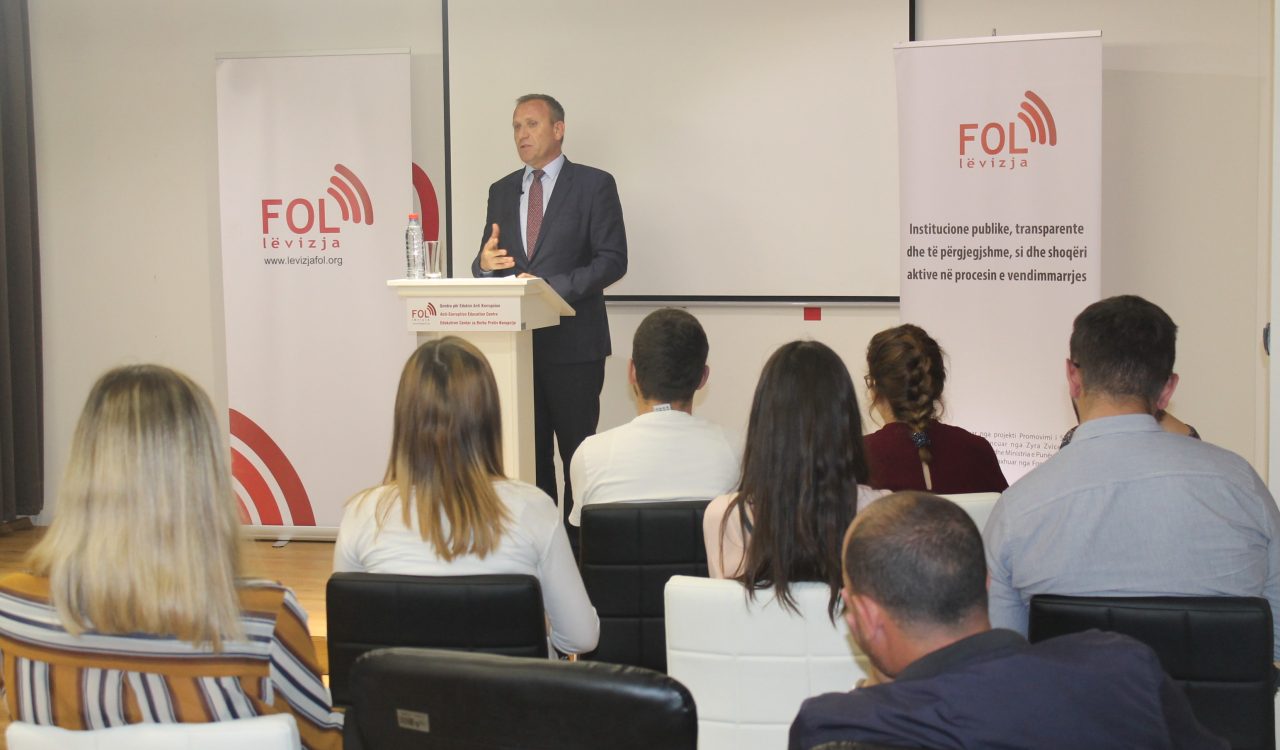
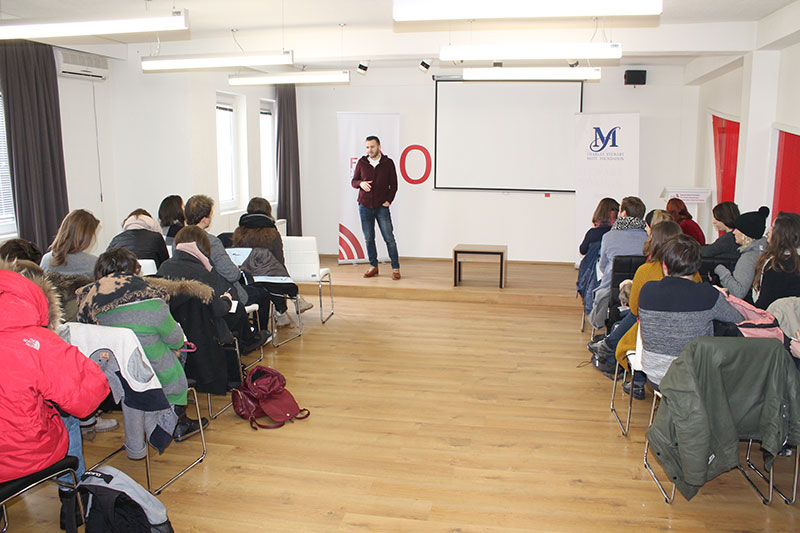
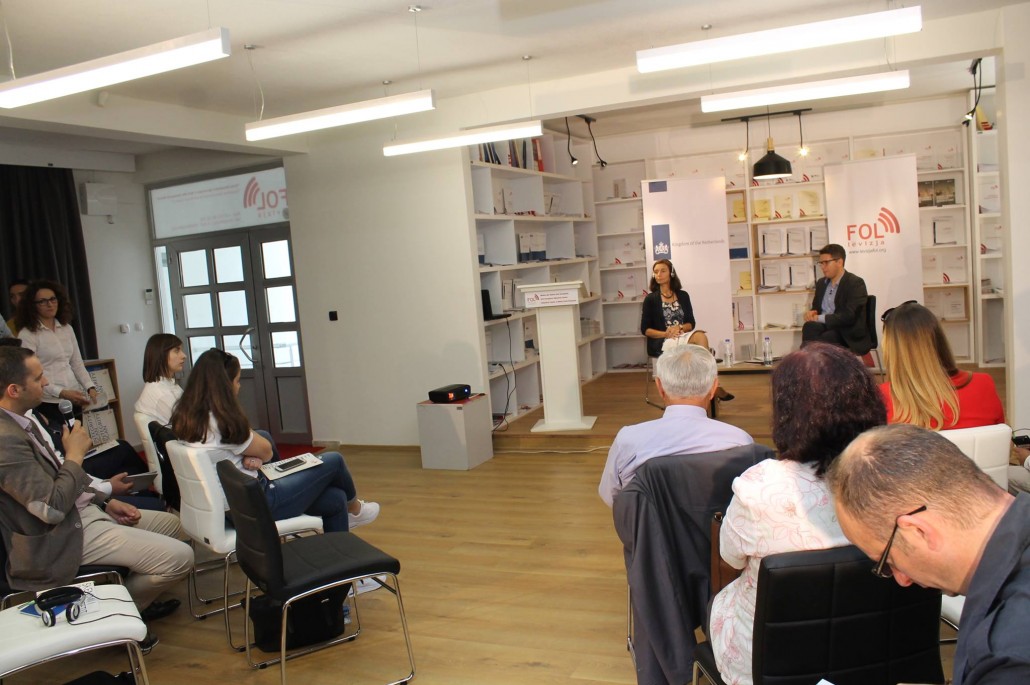
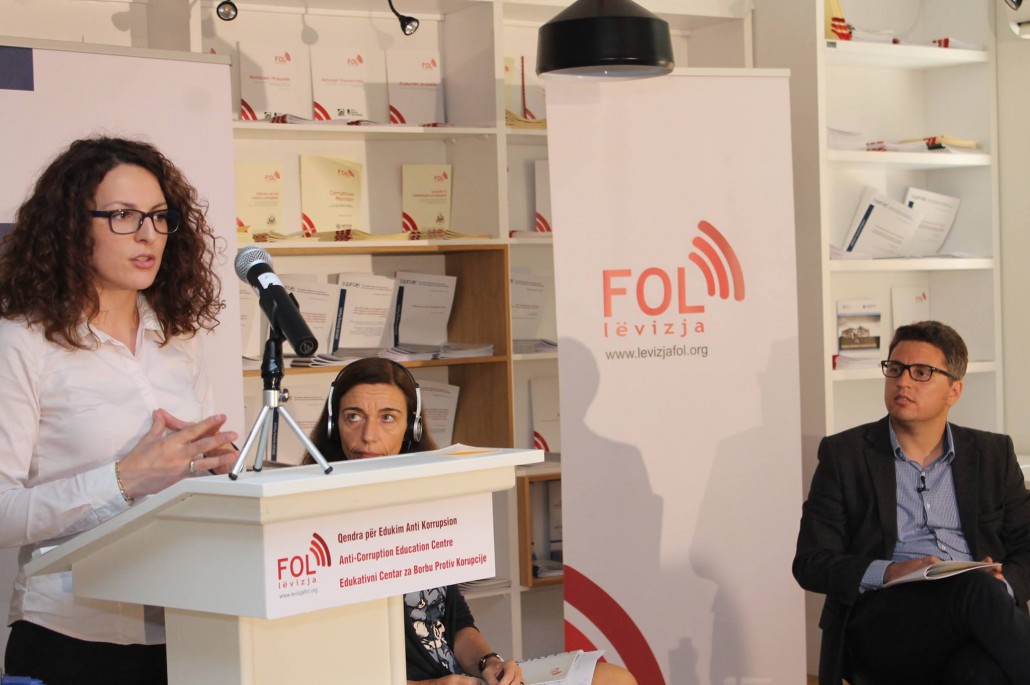
Prishtina, 29 May 2017 –  Lëvizja FOL was part of the regular monthly meeting of the Presidents of the Basic Courts and the Kosovo Judicial Council where it presented some of the concrete steps that would affect the increase of transparency in the judicial system, and consequently the increase of citizen trust.

The first point that was discussed at this meeting was the cancellation of hearings and the publication of the reasons for not keeping them. Gersi Gashi, from FOL Movement, said “While the courts in most cases do not have fault of not holding and postponing hearings, public perception is not such.

One factor that plays a role in this perception is the lack of disclosure of reasons for non-attendance of hearings. Chairperson of the Kosovo Judicial Council, Nehat Idrizi, said that this would be an important step in boosting citizens’ trust, and while there is a lack of resources to achieve this for all subjects, some of them can be started, such as cases in which the media and public interest in general is higher. Stephanie Lefeuvre, from the European Commission, stressed that the cancellation of hearings, the reason for their cancellation, would be part of the CEPEJ Indicators and the Electronic Case Management System, therefore it should be started on time.


The second point of the discussion was the anonymisation and publication of all judgments, including judgments that are not final and executable. Gersi Gashi emphasized the legal basis that allows this, since the international conventions, the Constitution of the Republic of Kosovo but also the practices of the European Court of Human Rights. While there were no objections from any of the attendees about this, the Presidents of the Basic Court of Prizren and Peja stated that such a thing should happen. The President of the Basic Court in Prizren, Ymer Hoxha emphasized that Article 22 of the Constitution of the Republic of Kosovo is a source of right in our country, and therefore it is foreseen direct implementation of international agreements / conventions, therefore publication of all judgments should be implemented. The KJC Chair added that while the law on the court prohibits the publication of all verdicts, the law should first be amended and then other changes are to be proceeded.

Regarding the issue of anonymity, while there were no objections about the non-anonymity of cases there were allegations by some mayors that such a thing should be reviewed. Such a revision is supported by FOL Movement, and proposes to have meetings between the KJC, the Presidents and the Personal Data Protection Agency, to draft a regulation which at the same time protects personal data, but also does not protect more than it needs. Moreover, the President of the Basic Court in Prizren and that of the Basic Court in Ferizaj supported the idea of publishing the judgments without anonymity at all, since according to them, when the verdict is public and issued on behalf of the people, then also as such should be published.

Finally, the issue of meetings between court presidents and oversight judges was discussed. Gersi Gashi emphasized that these meetings are very important, just as for the courts, but also for the public. While these meetings are regulated by law, at a minimum of one to three months, there should be greater transparency for these meetings, keeping and publishing the minutes of these meetings. The Presidents of the Courts indicated that these meetings are held, and more regular meetings are held and are all the time in coordination with the branches, but the minutes of these are sent to the KJC and it remains for them to decide on their publication.

As a conclusion it is important that the judiciary is making the link of transparency, accountability, and is interested in working on raising citizens’ trust. It remains to monitor these processes and postpone the implementation of discussions from this meeting.

The “Search for Justice” program aims to strengthen citizens’ demands for justice in Kosovo. This program is implemented by NCSC and is supported by the US Department of State / INL.
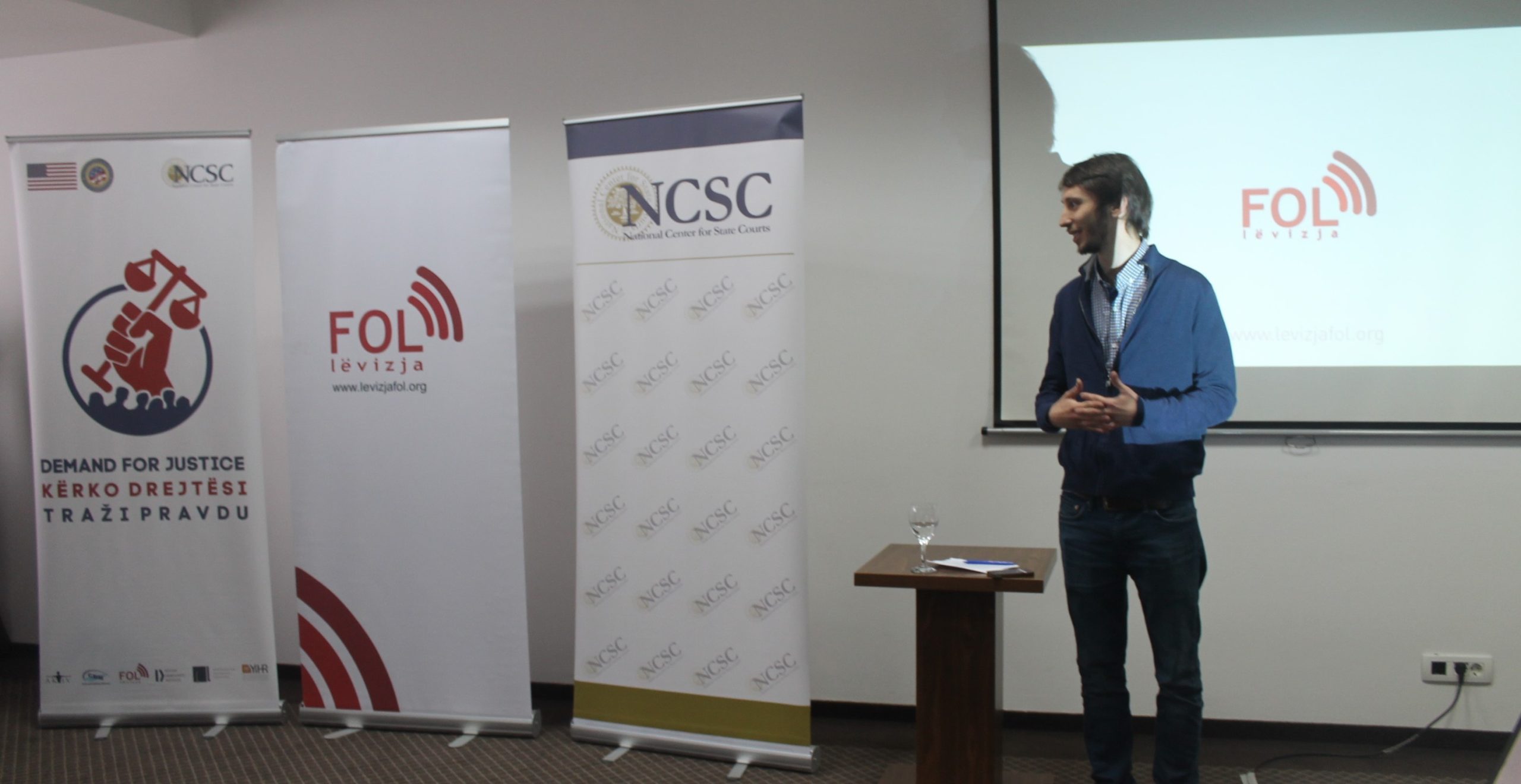
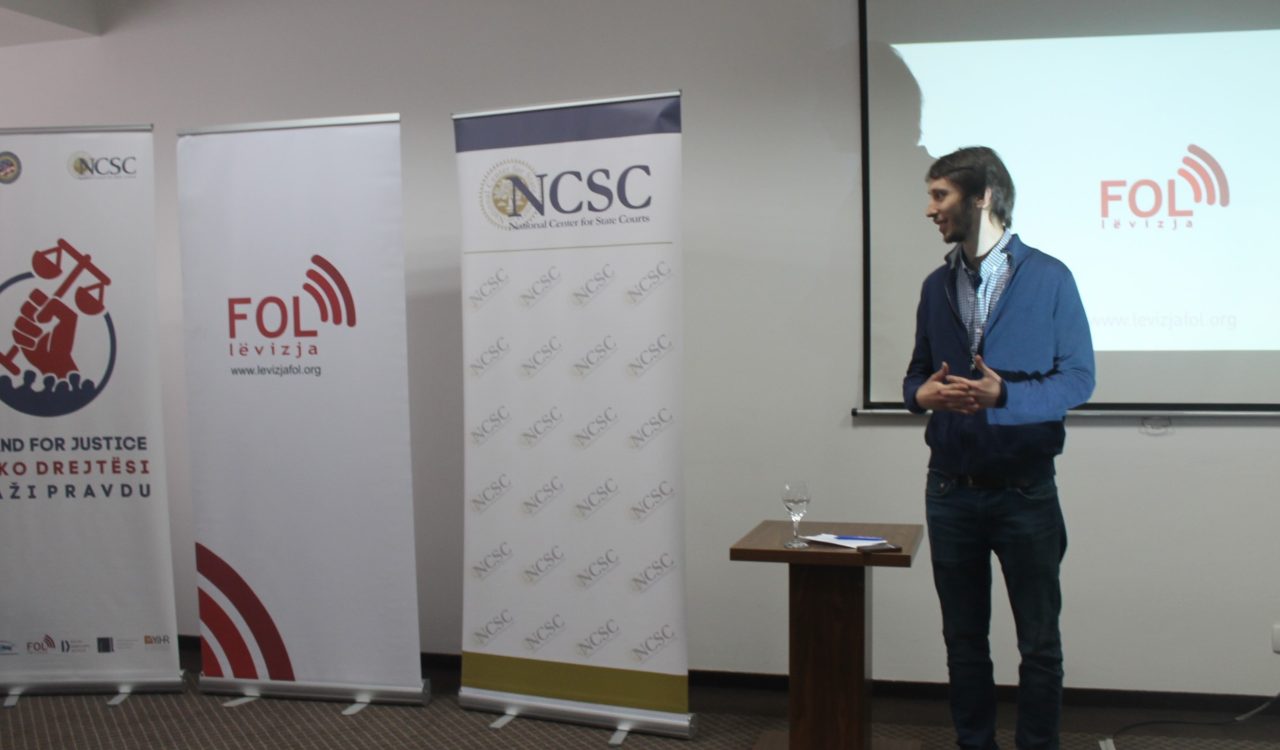
The launch of the project “Promoting Integrity in the Justice System”

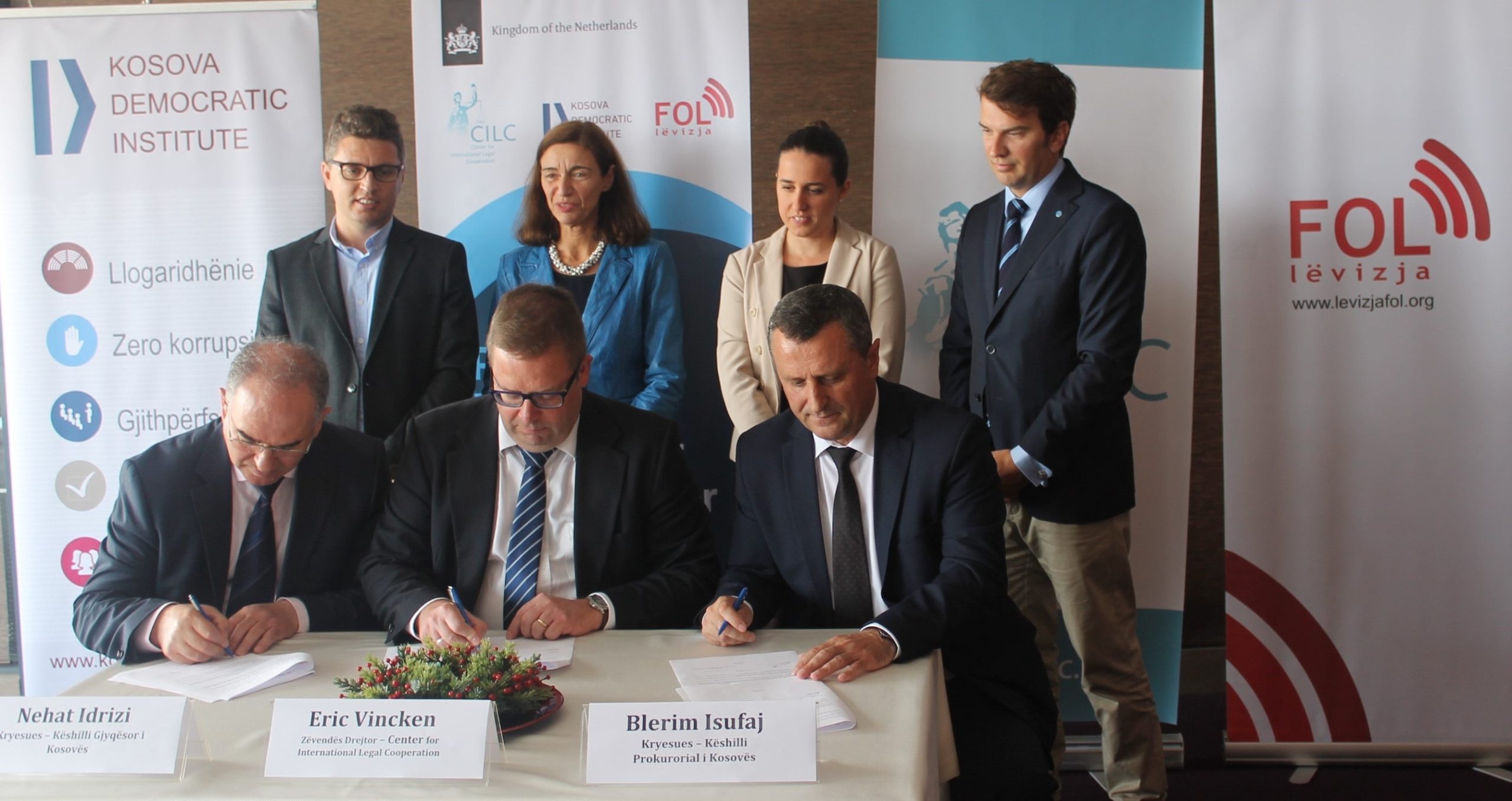
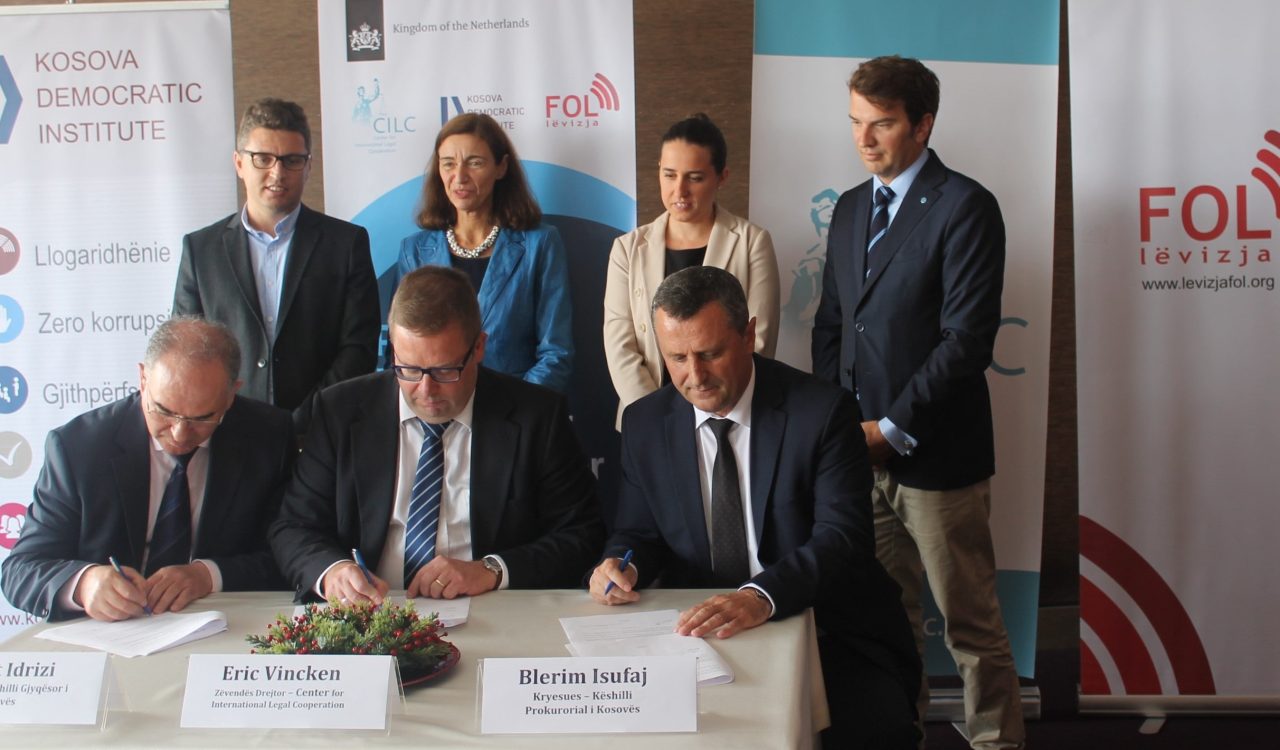
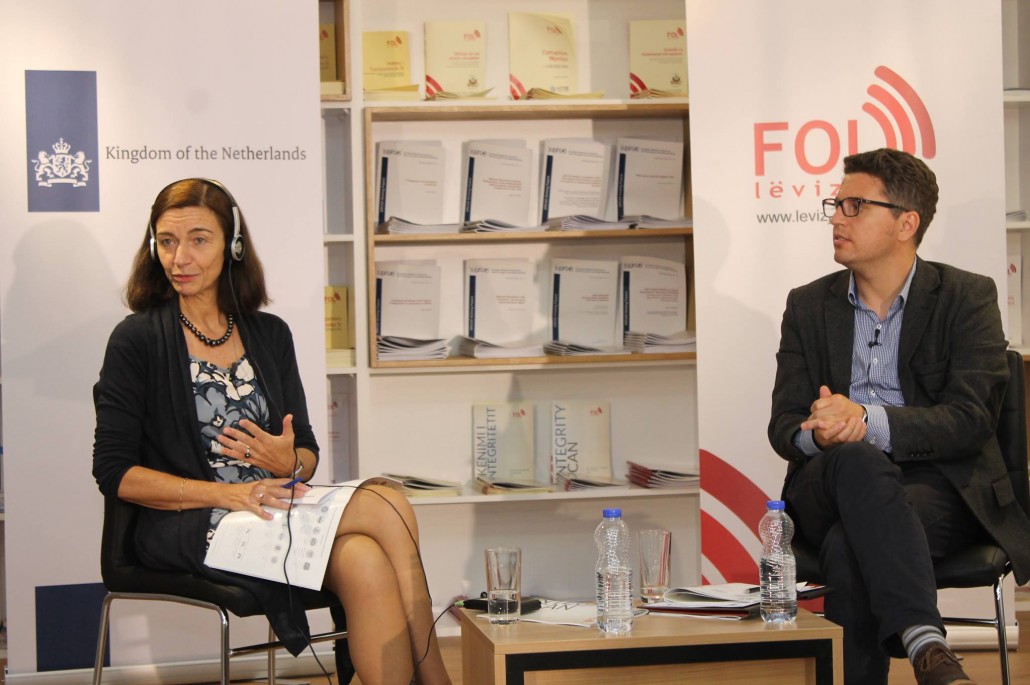
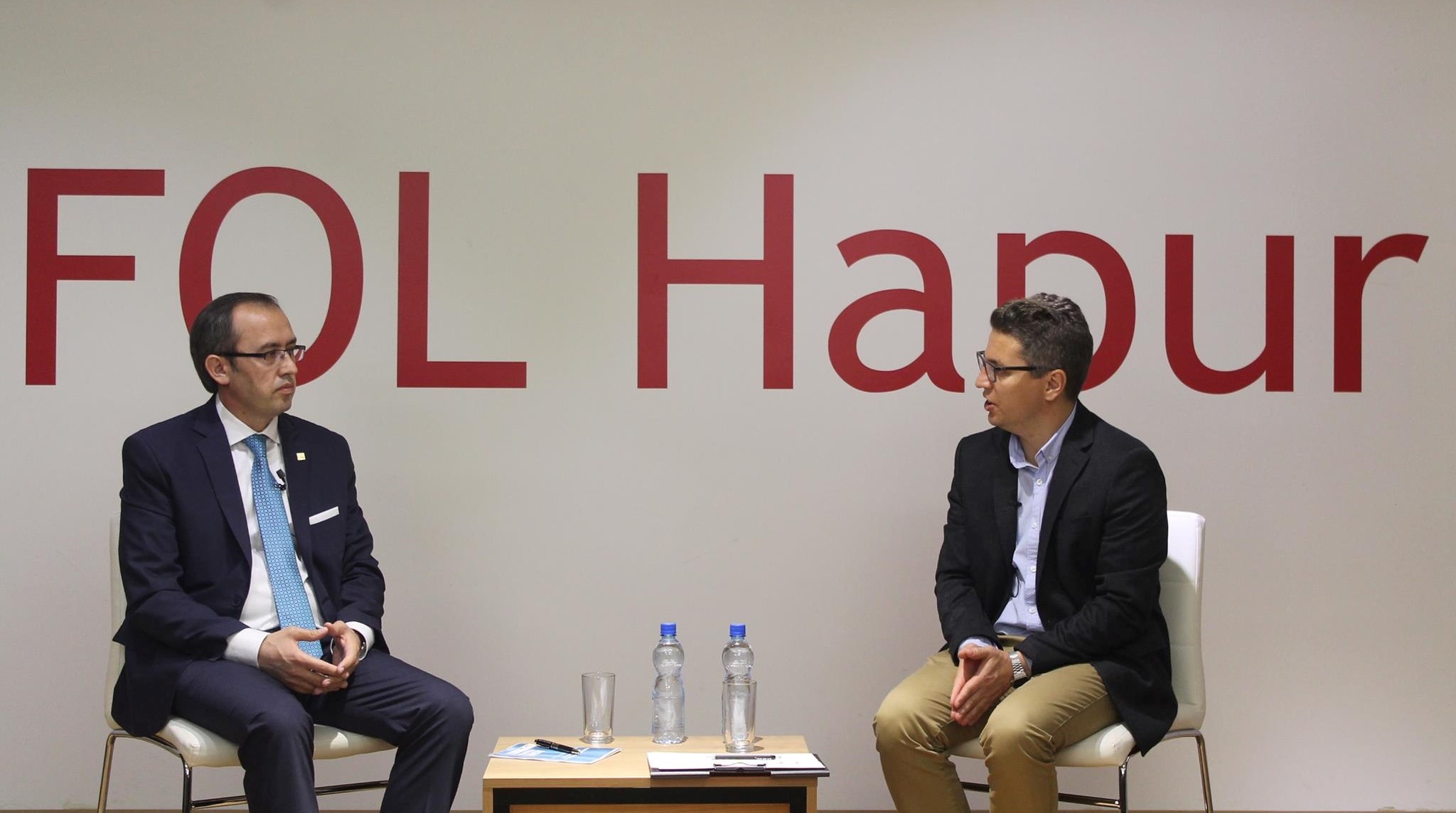
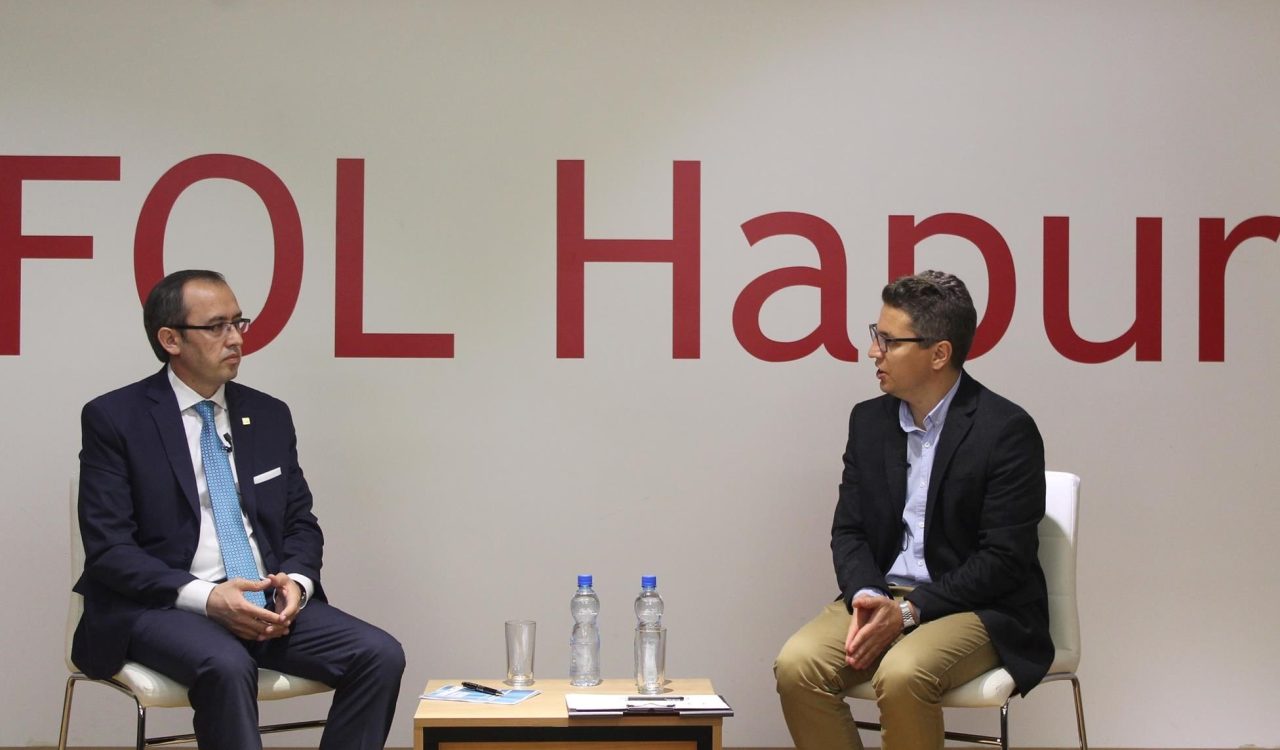
Prishtina, 24 May 2017 – Lëvizja FOL in cooperation with the Kosovo Democratic Institute and the Center for International Legal Cooperation (CILC) with headquarters in The Hague, launched today the project “Promoting Integrity in the Justice System”. This project, which is supported by the Dutch Embassy in Pristina, aims to increase the integrity and empowerment of the independence of the judiciary and the state prosecutor with a view to establishing a strong justice system and improving public confidence in the justice system.

The Dutch Ambassador to Kosovo, Gerrie Willems said that with the implementation of this project we will come to understand the current situation regarding integrity in the judicial and prosecutorial system, deepen the knowledge of integrity and build capacity to deal with integrity issues in the judicial system and prosecution. At the same time, citizens will be aware of issues of integrity in the justice sector.

“This project will open the debate on a different perspective of integrity in the Kosovo justice system. In this way, the aim is to increase the trust of citizens in the prosecution and the court and the rule of law in Kosovo will be improved in general,” Ambassador Willems said.

Deputy Director of the Center for International Legal Cooperation, Eric Vincken said that integrity is the concept we face every day in whatever role we have and that it is not a particular term used solely for the judiciary. “Integrity also needs permanent maintenance, monitoring and mechanisms to deal with integrity violations, not just in Kosovo or the Netherlands, but in any country of the world,” he said.

While the Kosovo Judicial Council chairman, Mr. Nehat Idrizi, emphasized that this project serves as a sufficient conceptual framework for carrying out research, analysis, recommendations and capacity building regarding the integrity of actors in the Kosovo judicial system. “We have consistently expressed our friendly approach to initiatives aimed at promoting integrity and increasing public trust in the work of the judicial system,” Idrizi said.

Whereas, the Head of the Kosovo Prosecutorial Council, Blerim Isufaj emphasized that integrity is a vital prerequisite for the independent, impartial and professional functioning of the justice system, and according to him, any integrity-oriented activity is very important for the system. “Assistance to this project in carrying out qualitative and quantitative researches will help us enormously in identifying the progress and challenges of the prosecutorial system, which will be support for the council for making the right decisions,” he said.

The event was concluded with the signing ceremony of the memorandum of cooperation related to this project between project representatives and chairpersons of both councils.

Back locked cases in the prosecutor’s office delays justice for the persons under investigation

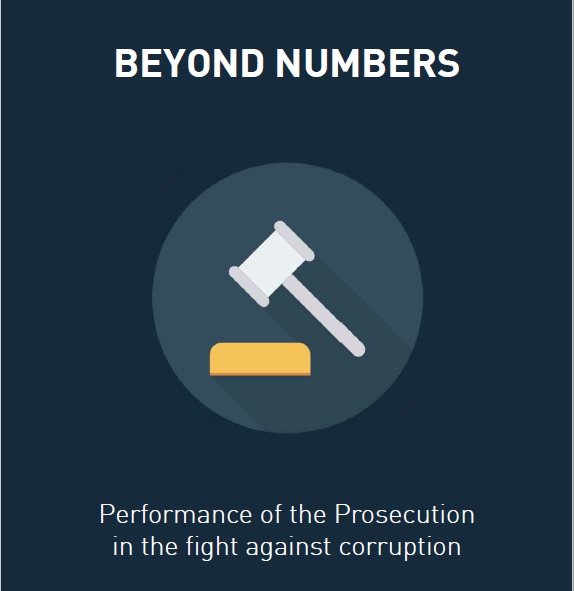
Prishtina, 17 May 2017 – Lëvizja FOL held today the round table discussion “Prosecution Performance in the Fight Against Corruption”, where participants were Blerim Isufaj from Kosovo Prosecutorial Council, Sevdije Morina, Deputy Chief State Prosecutor, Prosecutor of Basic Prosecutions, Council of Europe Representatives, Civil Society Organizations and the media.

Jeton Zulfaj from Lëvizja FOL, said that prosecutors for 2016 have solved more cases than they have received.

“The flow of cases, pending cases on January 1, 2016 were 1424. We are talking about cases, but these are persons because the work of the prosecution is measured by persons in our judgment”. 826 there were the number of persons who entered during the calendar year. We are talking about 365 days and the total of subjects at work 2250 people, are solved 1073 people there you can see that 826 people who entered in 2016, 1073 are resolved that is a positive trend, he said.

Meanwhile, Blerim Isufaj, the head of KPC, said that the fight against corruption is a priority of the State Prosecution. “This report is extremely useful for analyzing cases of the state prosecutor through a clear methodology such as the prosecution case rate, trends, timing and statistical data coverage,” said Isufaj. According to him, this report is extremely useful as it is part of the council and provides a clear picture of the performance of the prosecutorial system, fighting corruption.

State Prosecutor Sevdije Morina is concerned with the large number of cases. “It is really a matter of big concern that Kosova should be on the road and their proceedings. Where there is no evidence, the task to be done is to carry out the duty with professionalism, because any other action to an official duty if someone sends a case to the court whenever there is no evidence. When it comes to the performance of prosecutors, raising the indictments is even more worrying if charges are raised without the foundation of the law, “Morina said.

Jetish Maloku, the Prosecutor of the Basic Prosecution in Gjilan, said that with all the work that has been done there is still a lot to be done. “We need public trust, so we have a lot to do in that direction,” Maloku said.

Stephanie Lefeuvre of the Council of Europe said that FOL has done very well using these indicators for the breakdown of these statistics.

Lëvizja FOL will publish during 2017 reports on measuring the three-month performance in the anti-corruption fight for the prosecution and the courts, but will also measure the performance of judges and prosecutors.

“This grant is funded by the Democratic Society Promotion (DSP) project funded by the Swiss Cooperation Office in Kosovo (SCO-K) and the Danish Ministry of Foreign Affairs (DANIDA) and managed by the Kosovo Civil Society Foundation (KCSF )”.

Launch of the E-Court platform

Prishtina, 11 May 2017 – Lëvizja FOL as part of the “Seek for Justice” program has launched the e-Court platform today (www.egjykata.org). Unlike the Kosovo Judicial Council’s existing portal, this platform provides multiple and diverse filters, enabling access to judicial decisions in an easy, fast and creative form.

Gersi Gashi from the Lëvizja FOL said that this platform contributes to enhance the transparency of the judiciary by creating easier access for citizens and different actors of the judiciary. “In the platform-Courts there are over 700 judgments, the search of which is easier on the basis of 13 different filters. Also, over 1,600 form of declarations of the assets of judges have been placed in a visualized manner. The purpose of this platform is to provide a new way of accessing information to the judiciary. The courts that have issued most decisions are Prishtina, Prizren and Gjilan, while those with the least are Mitrovica, Peja, and Gjakova, “said Gashi.

Lëvizja FOL through this project is pushing forward the necessary legal changes for publishing all decisions and other information about the judiciary in order to increase transparency. The project also aims to raise the awareness of the judiciary about the record and publication of reasons for non-attendance of hearings. Both of these would be concrete actions that would improve the transparency of the judiciary in order to increase citizens’ trust.

The www.egjykata.org platform enables to search the decisions based on different filters such as: (a) legal basis (law / code and relevant article), (b) date of court decision, (c) date of initiation procedure and ten (10) different filters. The platform has also presented in a visualized manner the declarations of the property of the judges.

The Seek for Justice Program is funded by the US State Department / INL and implemented by the National Center for State Courts to support a strong evidence-based development of evidence-based justice in Kosovo. Through the Law Search Program, NCSC is mobilizing Civil Society Organizations (CSOs) partners to act as agents of change by promoting accountability, transparency and integrity in the justice sector.

FOL and the “Mebius Film” production from Sarajevo make the documentary with young people “Perspektiva”

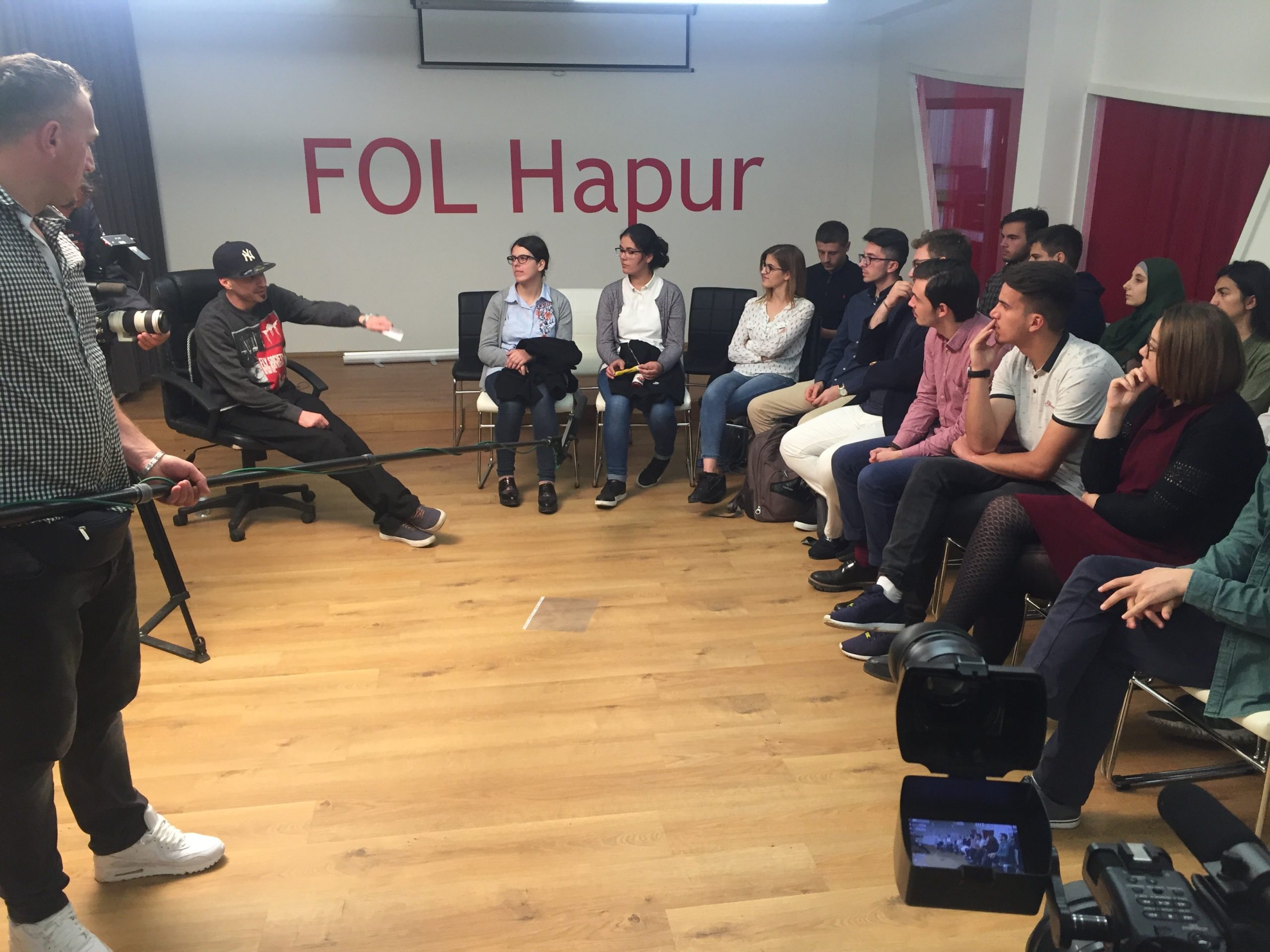
Prishtina, 11 May 2017 – together with the Mebius Film Production from Sarajevo have organized the documentary for the young “Perspective”, which has been held in the premises of FOL Movement for three days.

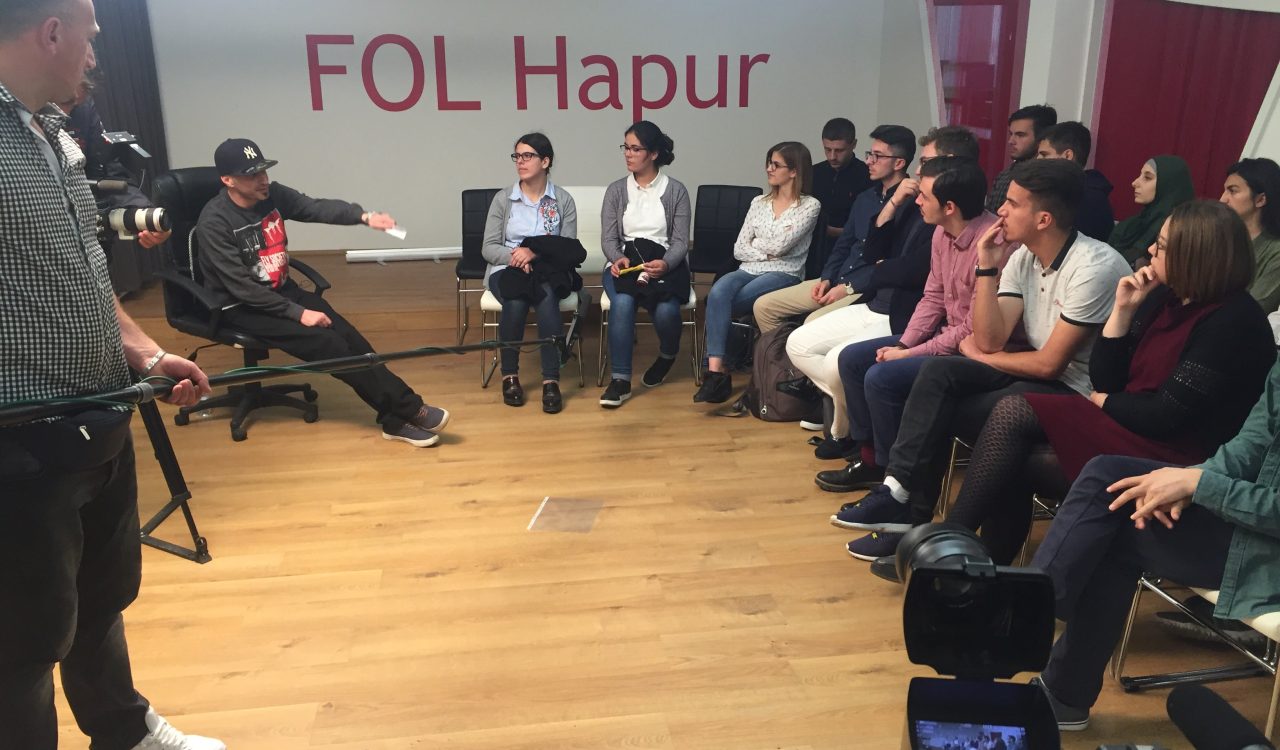
In this documentary, young participants have discussed the youth perspective on issues that affect them every day, such as student life, social values and other topics such as promoting dialogue and communication between communities in Kosovo.

In this documentary were engaged about 50 young people, all students from Kosovo’s public and private universities.

Documentary “Perspective” was shot for the first time in Kosovo, while this documentary was also shot in Croatia, Macedonia, Serbia, Bosnia and Herzegovina and Montenegro.

The purpose of this documentary is to listen to the voices of young people and to give them space to express their opinions and different themes.

Lecture with Deputy State Prosecutor Ms. Sevdije Morina

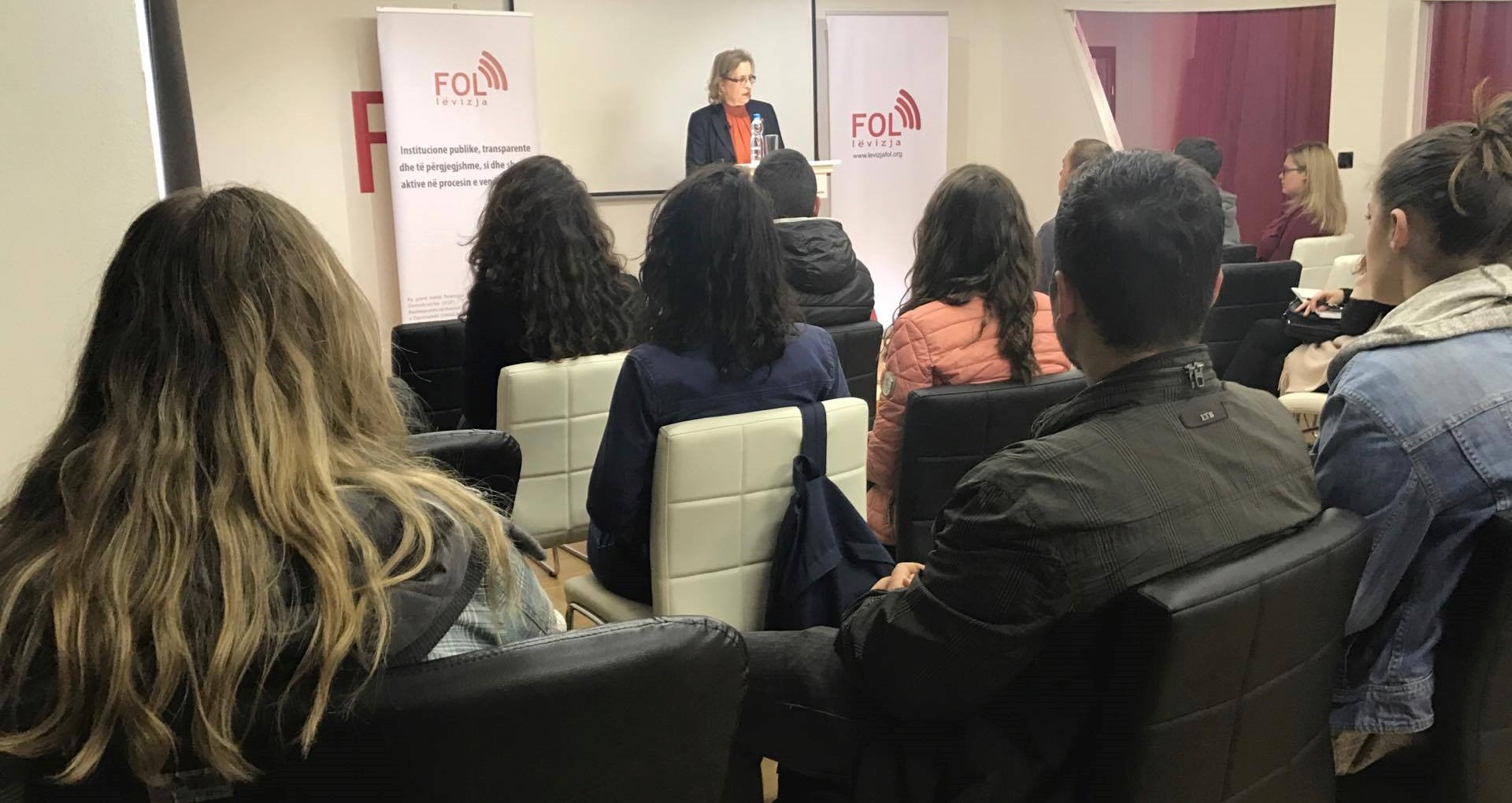
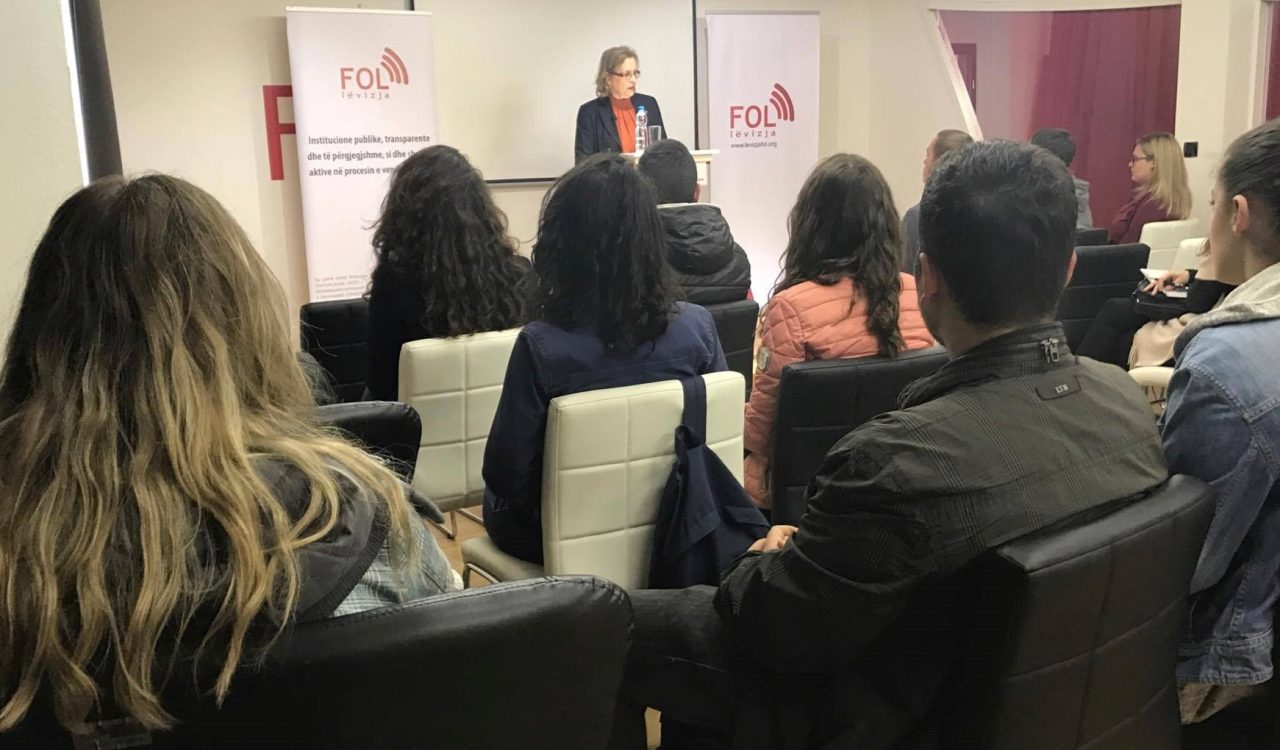
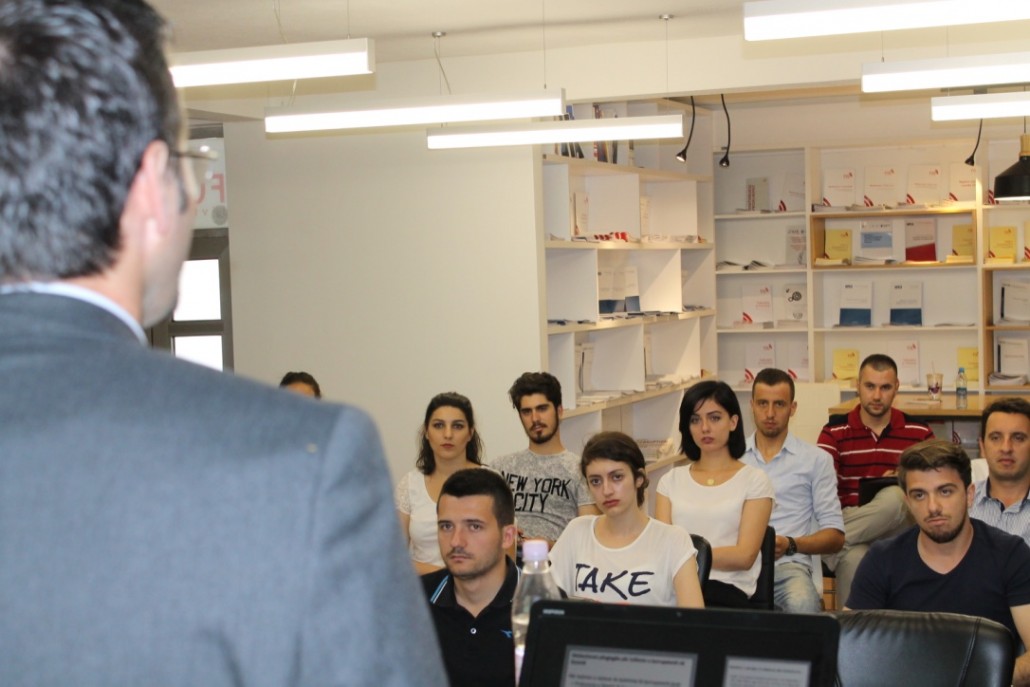
Prishtina, 10 May 2017 – Lëvizja FOL held today the lecture with Deputy State Prosecutor, Ms.Sevdije Morina. The students discussed with Mrs. Morina about the Anti-Corruption Agenda of the State Prosecution, the large number of cases in the anti-corruption field and the integrity of prosecutors.

The lecture was held at the “Center for Education and Anticorruption” (AEC) at Lëvizja FOL, with students from public and private universities.

Conversation with Mr. Safet Hoxha, Chairman of the Board of the Public Procurement Regulatory Commission

Prishtina, 4 May 2017 – Lëvizja FOL has organized the next lecture with Mr. Safet Hoxha, Chairman of the Board of the Public Procurement Regulatory Commission. Mr. Hoxha, interviewed students about the work of the institution he leads, the impact of e-procurement on reducing the misuse of spending of public money and the impact of corruption on procurement and the fight against it.

The lecture was held at the Center for Education and Anticorruption (AEC) at Lëvizja FOL. Such informative lectures will be held in the future by representatives of various institutions.

“This grant is funded by the Democratic Society Promotion (DSP) project funded by the Swiss Cooperation Office in Kosovo (SCO-K) and the Danish Ministry of Foreign Affairs (DANIDA) and managed by the Kosovo Civil Society Foundation (KCSF)”.


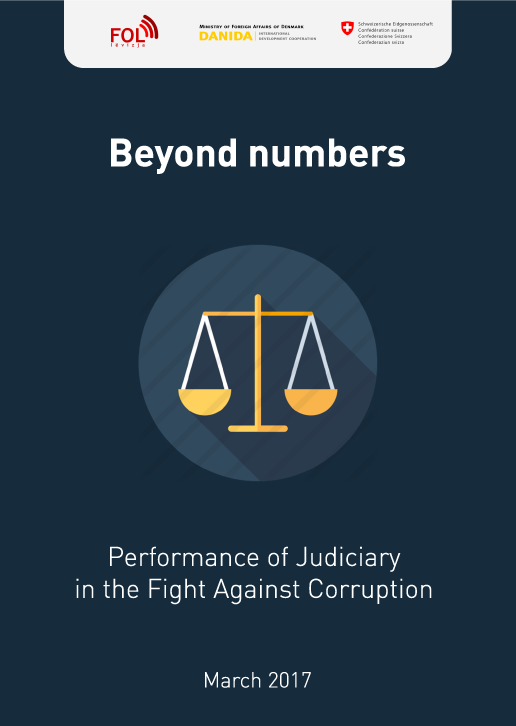
Performance of Judiciary in the Fight Against Corruption

Prishtina, 14 April 2017 – Levizja FOL today has published the report on assessment judicial performance for 2016 in the fight against corruption

Report on Judiciary

FOL signs an MOU with Kosovo Judicial Council

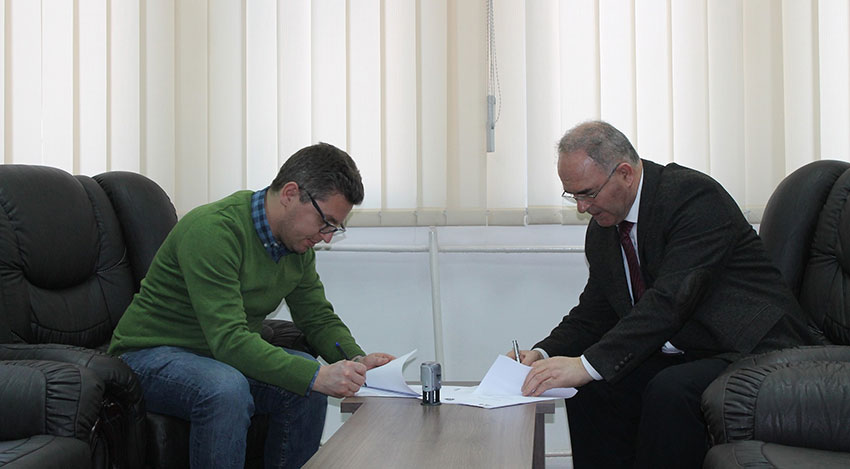
Prishtina, January 30th, 2017 – Lëvizja FOL signed an MOU with Kosovo Judicial Council (KJC). This memorandum aims a mutual cooperation between FOL and the Kosovo Judicial Council, on monitoring the implementation of the law during the trials of anticorruption cases, the implementation of anticorruption strategy and abuses in spending public money. FOL will provide KJC with professional cooperation in order to achieve common goals for the judiciary and public interest.

This MOU is an activity of Democratic Society Promotion (DSP) project- financed by Swiss Cooperation Office Kosovo (SCO-K), the Danish Ministry of Foreign Affairs and managed by the Kosovar Civil Society Foundation (KCSF).

Students from the European Program on Human Rights visit Lëvizja FOL

Prishtina, January 19th, 2017 – Around 20 students from different countries today visited Lëvizja FOL. They are currently studying Master’s European Program on Human Rights and Democracy in Venice and Vienna.

Jeton Zulfaj- Program Manager at FOL, presented the work of FOL and the role of the Anti-Corruption Education Center thus being the first of its kind in Kosovo.

During this meeting the students had the opportunity to see closer what this center offers, its aim and the work of FOL since it was founded.

Scene of Corruption 2016

Pristina, 8 November 2016 – Movement FOL published the research “Skenimi i korrupsionit 2016”. The research aimed at identifying the main problems in the country according to the citizens of Kosovo, the perception about the level of corruption in the country, with public services such as health, education, and their experiences with the Kosovo Prosecutor’s Offices, Courts and Police.

 
Scene of Corruption 2016

Criminal and Institutional Responsibility for the death of two children in Prishtina

Pristina, June 28th, 2016. Last week in the neighborhood “Kolovicë” in Prishtina happened a tragedy when two children lost their lives. This tragedy followed due to the actions of an illegal operator and its excavations in the territory of the Municipality of Prishtina.

The Municipality of Prishtina and the Ministry of Environment and Spatial Planning are responsible for the buildings and operations in the territory where the tragedy happened. Just as how institutions ask from the citizens to pay the taxes, these institutions must ensure the legality of operation of each economic operator and prevent actions that might threat the health and lives of citizens. By not being able to supervise the quality of work and respecting the law, these institutions carry the responsibility for this tragedy.

The resignation of the director of inspection in Prishtina must be seen as a responsibility and a principle through which each official must act in such cases. However this is not enough. For the Kolovica case, responsible persons must carry criminal responsibility.

We, the below presented organizations, ask from the Prosecution to hasten the investigations and find the persons who are responsible for the death of two children in Prishtina. Moreover officials from above mentioned institutions must carry responsibility for the negligence of the law, while the same goes for the company that neglected respective laws and regulations.

We ask from the Municipality of Prishtina and other municipalities, as well as from central institutions to cooperate in order to prevent such tragedies in the future. Furthermore it is of great importance that local and central institutions ensure a safe environment for the citizens of the Republic of Kosovo, as a precondition of a decent life.

Signing organizations:
Autostrada Biennale
Community Building Mitrovica – CBM
EC Ma Ndryshe
ENCOMPASS
Kosovar Civil Society Foundation – KCSF
Lumbardhi Foundation
Cultural Heritage Foundation Kulturore LEGATUM
“Trashëgimia Kulturore pa Kufij” Foundation – CHwB
Group for Legal and Political Studies– GLPS
Iniciativa e Femrës Kosovare
Iniciativa Kosovare për Stabilitet – IKS
Initiative for Progress (Iniciativa për Progres)– INPO
Democracy for Development (Instituti Demokraci për Zhvillim) – D4D
Kosovo Democratic Institute (Instituti Demokratik i Kosovës) – KDI
GAP Institute
Konsumatori
FOL Movement
NGO THY
Center for Politics and Advocacy (Qendra për Politika dhe Avokim) – QPA
Varg e Vi
Zana

Training with students on fighting and preventing corruption

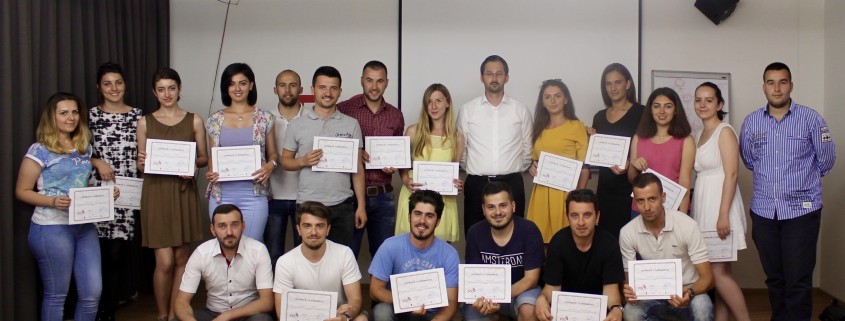
Pristina, June 25-26th, 2016. FOL Movement held a two-day training with students from Faculty of Law and Political Science. Invited to discuss on this topic was Mr. Admir Shala-Prosecutor at the Special Prosecution of Republic of Kosovo. This training was held with 20 selected students from 250 applicants.
In the beginning the Prosecutor explained the work of the Prosecution and the cases they work on, while emphasizing that corruption is one of the biggest problems the Prosecutions deals with.

“There are still high barriers in fighting corruption and the fear of losing the job is still present. Kosovo has the highest percentage of corruption compared to countries in the region and Europe, and this has had a considerable impact in the development of the country”- he said.

During this training was discussed the role of the media in fighting corruption as in informing and mobilizing the citizens on corruption, increasing public pressure and publishing the work of prosecutors.

“We are facing a law crisis, since the laws against corruption have been misunderstood”- sad among others the Prosecutor while adding that political will is very important in fighting corruption.

During the second day the students were very active through questions on specific actions on corruption, while understanding how theoretical aspect is put into practice.
Prosecutor Mr.Admir Shala, explained investigative techniques and methods on corruption cases and mentioned financial investigations as well as the difficulties the Prosecutions faces during the investigations.

In the end of the training, the students were certified for their participation.

This training was supported by UNDP and the Embassy of Netherlands. 

Letter from civil society over the mandate of Mayor Ramadan Muja

Open letter from civil society organizations to the Government of Kosovo on the mandate of Mayor Ramadan Muja

Pristina, June 23rd, 2016.

Honorable Prime minister Mustafa,
Honorable minister Mariq,

Local governance in Prizren is violating every principle of good governance and every legal and constitutional standard.

The mayor of the municipality of Prizren is finishing his governing mandate as a mayor sentenced with abuse of official duty. While the mayor Ramadan Muja has decided to not resign and wait for the decision of the Appeal or maybe even from the Supreme Court, Prizren is facing a criminal governance. This week an official from the Municipality of Prizren was sentenced with 3 year in prison for abuse of official duty. Two weeks earlier due to the negligence of the local government a three-year old girl lost her life due to the collapse of the building in the Historical Centre in Prizren. The Municipality of Prizren is constantly allowing the destruction of cultural heritage buildings in Prizren. Mayor Muja is among few officials whom diplomatic representatives of foreign countries do not accept to meet with.

Considering all this and based in the Constitution of Kosovo, specifically Article 123 (4) on Local Government and the Law on Local Self-Government, we ask from the Government of Kosovo to take this decision:

-To suspend the Mayor of the Municipality of Prizren, Ramadan Muja in accordance with Article 64 on the Law on Local Self-Government according to which: “Municipal Mayor may be suspended from the office by a decision of the Government of Republic of Kosova within thirty (30) days, if it considers that the Mayor has violated the Constitution and the applicable laws…The Government of Republic of Kosova may suspend the Municipal Mayor (for up to 30 day) by a decision and submit the case to the Constitutional Court…If the Constitutional Court upholds the decision; the Government shall remove the Mayor from the office.”

Removing Ramadan Muja from his position would make a positive step on democratic governance in Kosovo and it would show good will in ensuring governance with “clean hands”. After all, knowing that a few days ago minister Ferid Agani was removed from his position, we expect this case to be followed with even more seriousness knowing that the Mayor already has the decision from the court.

Signing organizations:

Alter Habitus
Anibar
Autostrada Biennale
CIPOF – Childproof
Community Building Mitrovica – CBM
Development Research Innovation Training
Dokufest
EC Ma Ndryshe
ENCOMPASS
ENEA
Kosovar Civil Society Foundation (Fondacioni Kosovar për Shoqëri Civile) – KCSF
Lumbardhi Foundation
Cultural Heritage Foundation (Fondacioni për Trashëgimi Kulturore) LEGATUM
“Trashëgimia Kulturore pa Kufij” Foundation – CHwB
Group for Lefal and POLITICAL Studies (Grupi për Studime Juridike dhe Politike) – GLPS
Iniciativa e Femrës Kosovare
Iniciativa Kosovare për Stabilitet – IKS
Initiative for Progress (Iniciativa për Progres) – INPO
Institute for Sustainable Development of Youth (Institui për Zhvillim të Qëndrueshëm Rinor) – ISDY
Democracy for Development (Instituti Demokraci për Zhvillim) – D4D
Kosovo Democratic Institute (Instituti Demokratik i Kosovës) – KDI
GAP Institute
Institute for Development Policy (Instituti për Politika Zhvillimore)– INDEP
Riinvest Institute
Integra
Konsumatori
Lëvizja FOL

OJQ THY
Organizata e Personave me Distrofi Muskulare
Organizata IAEA
Qendra Artpolis
Qendra Kosovare për Studime të Sigurisë – QKSS
Qendra për Politika dhe Avokim – QPA
Riverside
Syri i Vizionit
Varg e Vi
Women for Women International
X40 – 40 Bunar
Zana

INTEGRITY SCAN OF THE 2016 INSTITUTIONS OF KOSOVO

Integrity scan

Prishtina, June 9, 2016 – Integrity has become a key concept in building an effective public administration and quality. This study has come as a result of the current lack of quantitative assessment of integrity in public institutions.

Integrity Scan of the Institutions of Kosovo

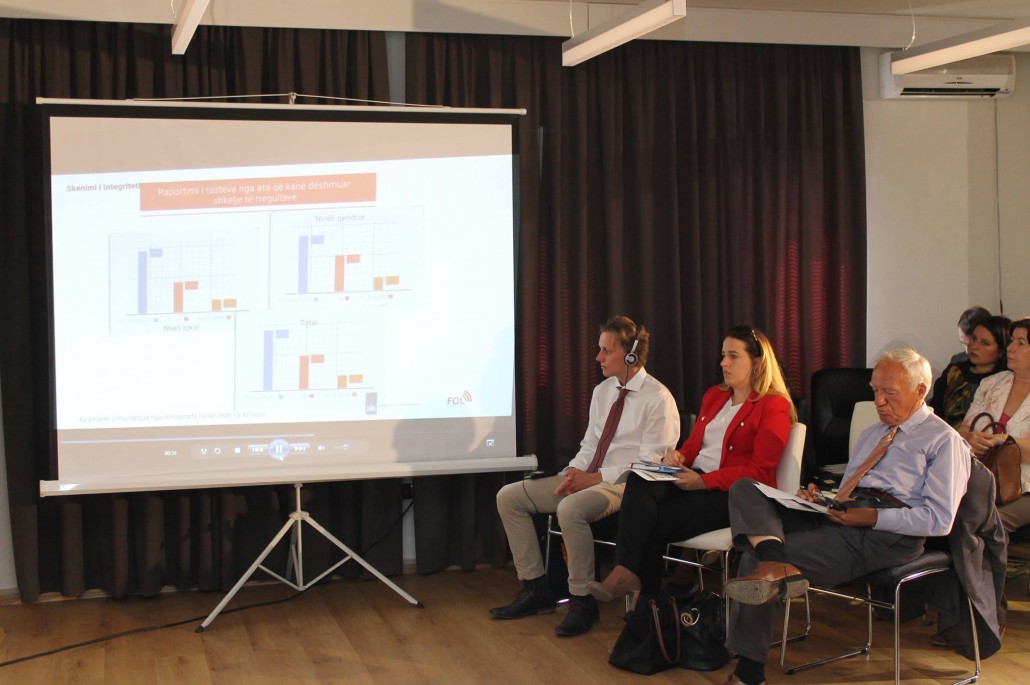
Pristina, June 9th, 2016. In a press conference FOL Movement presented the findings of their report “Integrity Scan of the Institutions of Kosovo”. Invited in this conference was the Ambassador of the Netherlands in Kosovo, Mrs. Gerrie Williems.

Petrit Zogaj from FOL Movement said this report aims to identify main problems in our country regarding the level of integrity of public officials in local and central level.

“Our goal was to conduct this research in institutions to see what they think about themselves”-said Zogaj.

Fitore Metbala from FOL Movement said this study has been conducted with 1000 officials from public institutions from the central and local level. According to her in this study were included: The Office of the President, Government (the Office of the Prime Minister, as well as all other ministries), Kosovo’s Assembly, Independent Agencies, Regulatory Authorities, Kosovo’s Customs, the University of Prishtina, Public Enterprises, as well as the University Clinical Centre of Kosovo. “As for respecting the Law on Civil Service of the Republic of Kosovo, from the respondents we find that this law is more respected by civil servants than by the leaders of central/local institutions”-said Metbala. Regarding the conduct of civil servants, findings show that 63% from both levels, report breaches of the Code of Conduct.

“When respondents were asked on the frequency of involvement in corruption cases among the civil servants, a large part of them refused to answer, especially those who work at the central level (49%), while about 25 percent have answered with either ‘very often’ or ‘often’ to this question. Additionally, around 12 percent of the respondents think that the level of corruption in Kosovo’s civil service has increased compared to the previous 3 years”- she declared.

The Ambassador of the Netherlands in Kosovo, Mrs. Gerrie Willems, said that “Integrity Scan” contributes to transparency when it comes to integrity and corruption. “Rule of law is very important for the Embassy of Netherlands in Kosovo since it is a condition for sustainable development, just like the implementation of SAA with the EU, because it brings political and economic changes in Kosovo”-she said. According to her, fighting corruption and promoting integrity in workplaces has an important impact in rule of law.

“Around 40% do not want to talk about corruption in their public institutions, and this clearly shows the delicacy of the topic”-she said, adding that it is concerning when the cases of misconduct are not reported, because it shows they don’t believe in institutions.

Ambassador Willems emphasized the fact this report is the first of its kind since it focuses in the other side of the problem- as such it is opening up another angle of the debate on integrity and corruption.

Speech for the launch of the Integrity Scan report at FOL

I am glad to address you today at the launch of the 2016 Integrity Scan of the Kosovo Institutions. Let me begin by thanking the FOL staff for their laudable work in producing this report. I believe that the integrity scan provides some significant insight in how integrity is perceived by civil servants in the local and central institutions. In this way, FOL contributes to the much needed transparency about the issues of integrity and corruption.
Until now, there was an absence of any quantitative studies on integrity in Kosovo’s institutions. By producing the first report of its kind, FOL is opening up another angle of the debate on integrity and corruption. We are happy to have been able to support them in this work through our MATRA-fund.
• For the Netherlands and the EU, priorities on Kosovo are focused on the core values of the European Union. Among the foremost responsibilities is the respect for the Union’s fundamental values, notably the rule of law, democracy and fundamental rights.
• Rule of law is one of the core themes of the Netherlands Embassy in Kosovo. We strongly believe that rule of law is an essential precondition for sustainable development. The implementation of the SAA is a key element in this process. Together with FOL, many other organizations and the Kosovo authorities, we work towards this goal.
• In the framework of the rule of law, promoting transparency and accountability need special attention because they ensure essential guarantees for the functioning of democracy.

  • It is clear that the fight against corruption and the promotion of integrity at the work floor plays an important role in the establishment of a strong rule of law. Not that long ago, during the opening of the anti-corruption education centre here at FOL, I stated that it is not a secret that Kosovo’s society is plagued by corruption. The report that is presented today shows us that this, unfortunately, is still true. Almost 40% of the respondents indicate that they do not want to talk about corruption in their public institutions. This clearly shows the delicacy of the topic which you as citizens and members of civil society should address.
  • Additionally, around 12 percent of the respondents think that the level of corruption in Kosovo’s civil service has increased compared to the previous 3 years. This shows that there is still a lot of work to be done in a lot of institutions.
  • Being more specific on integrity, I would also like to highlight two issues which deserve our special attention:
  1. The first issue is the reporting about instances of misconduct. Over 60% of the respondents indicate that they did not report any case of misconduct they encountered. The number one reason for not doing so is that they do not think that any action would be taken. This lack of trust in the functioning of the public institutions is worrisome and should be addressed.
    2. This relates to the second topic that I would like to highlight. Nineteen percent of the respondents state that no action has been taken to inform the staff about the code of conduct. Informing people about the code of conduct is obviously the first step in improving integrity at public institutions. But fully implementing it is the core and crucial issue to be tackled.
    • This said, I would like to conclude by saying that The Netherlands was, is and will remain a strong partner of Kosovo. You have our support on these challenges (be they on RoL or integrity issues) and they require commitment and ownership of Kosovo authorities. You, as citizens and members of civil society, also play an important role in demanding transparency and accountability.
    • I want to thank you all, for your participation and attention. And I wish you a lot of success in your important work.

INTEGRITY SCAN OF THE 2016 INSTITUTIONS OF KOSOVO

Integrity scan

Prishtina, June 9, 2016 – Integrity has become a key concept in building an effective public administration and quality. This study has come as a result of the current lack of quantitative assessment of integrity in public institutions.